Interview: Audrey DuBois Harris

Audrey DuBois Harris
Interview By: Emily May
Based in Montreal, Canada, opera singer Audrey DuBois Harris has the stunning ability to perform a wide array of musical styles, including jazz, Gospel, folk, Broadway show tunes, popular standards, among others. Born and raised in Miami, Florida in a vibrant and diverse neighborhood, exposure to the sounds of merengue, kompa, salsa, reggae, mariachi, and many others informed her musical growth and journey from an early age. Her mother discovered her talent for singing at a young age and nurtured that talent, enrolling her in classical vocal lessons that helped her voice to naturally grow and flourish. Her mother was a member of an all-female acapella choir called The Agape Choir, an exciting group of women who sang negro spiritual songs in concert. The time that DuBois Harris spent as a child listening with rapt attention had a profound impact on her musical journey, as well. She attended the New World School of The Arts in Miami as a teenager and later received a full scholarship to Julliard, both of which gave her the freedom to explore her artistry and gave her the desire to grow musically and artistically.
Among her many high-profile engagements, she holds the distinction of having performed on several occasions as “The President’s Soloist,” singing the National Anthem, as well as at “Christmas at The White House,” and has performed both the American and Canadian national anthems for The U.S. Consulate General Montreal on many occasions and performed at The White House-hosted Florida Highwaymen exhibit at the Montreal Art Center. As a classically trained vocalist, she has performed internationally and also assayed a number of operatic roles. DuBois Harris has performed on some of the world’s greatest stages, including St. David’s Hall (Cardiff, Wales), Carnegie Halls’ Weill Recital Hall, The Apollo Theater, Merkin Hall, Alice Tully Hall, and Avery Fischer Hall, to name a few. Her recognition as an artist of note was underscored when DuBois Harris joined the Reverend Jesse Jackson for a series of MLK50 events commemorating the 50th anniversary of the assassination of civil rights icon Reverend Dr. Martin Luther King, Jr., in Memphis, Tennessee. She sang an inspirational rendition of “Lift Every Voice and Sing” for the national television broadcast of the events ceremony at the Mason Temple COGIC, where Dr. King delivered his historic “Mountaintop” speech the night before his untimely death. DuBois Harris also participated in “A Day of Remembrance” event at the National Civil Rights Museum. “To listen to Audrey is to hear the soul and science of music,” noted Jackson. “Her singing, interpretation, and presentation is what music looks and sounds like.” Jackson also invited DuBois Harris to perform at the annual Selma Bridge Crossing Jubilee service in remembrance of “Bloody Sunday” on the Edmund Pettus Bridge in Alabama, where Jackson and U.S. Representative John Lewis led the march. DuBois Harris met and was selected by "The Queen of Soul" Aretha Franklin early in her career to take part in Aretha’s 3 'Aretha Franklin Presents' concert events and, in turn, Aretha became a longtime friend and mentor to DuBois Harris.
DuBois Harris has released the 5-song EP God Bless America, that features the title track along with classic and contemporary compositions, and in 2012, she debuted as a recording artist with her release of Testimony, a soaring collection of inspirational music and hope-filled hymns. Testimony not only saw her singing and performing, but with the album she also took on the roles of producer, songwriter, and arranger. Most recently, she has released her latest album Lift Every Voice, a collection of songs that celebrates America's rich cultural heritage and history and uplifts and celebrates our diverse voices. With plans to record more music, including more mainstream music, and videos, as well as schedule more live performances, make sure to follow Audrey DuBois Harris at the links below to stay up date on all upcoming music, news, and performances!
Website | Facebook | Instagram | Twitter | Spotify | SoundCloud | iTunes/Apple Music | YouTube | Deezer
You grew up in Miami, FL and a passion for singing and performance was stoked in you in your preteen years by your mother. In what ways, if any, do you feel that growing up in such a culturally and musically diverse city influenced you and what can you tell me about your journey into music?
Growing up in Miami most certainly played a huge impact on my musical exposure, influence, and development. I didn’t have far to travel to be exposed to different cultures and music from around the world. My neighborhood was vibrant and full of people from across the globe! I was certain to hear merengue, kompa, salsa, reggae, mariachi, and so many other styles of music coming from my neighbors’ homes on any given Saturday morning. I attended a French speaking church that further exposed me to classical music, anthems, hymns, and French gospel singing groups. I was later exposed to American gospel music when I started singing as a soloist at several African American churches throughout Florida. My mother sang in an all-female a cappella choir called The Agape Choir. They were an exciting group of women that sang negro spirituals in concert. I can recall quietly sitting in the pews during rehearsals and taking in their full sound as a little girl. This was my introduction to the negro spirituals. I also played the flute in the orchestra and jazz band. My musical journey and growth as an artist was organic due to my exposure to a wide array of culturally diverse music from such an early age.
You have said that when you started taking vocal lessons, you had hoped to sing pop songs (like Mariah Carey) but were told by your teacher that you didn't have a pop voice, but rather a classical one. What was that like for you, to adjust the hopes you had for the kinds of songs you would sing and do you have any plans to try to incorporate some pop songs at some point into a performance or an album?
When I started taking vocal lessons with my first teacher, I was a young girl at the beginning stage of my studies. As a classical voice teacher, she believed that my voice would naturally grow and flourish through classical training. My mother agreed. Although I wanted to sing pop music, I trusted both of their advice. In my opinion, it was the best direction for me. Classical vocal training gave me a solid foundation to sing classically and have the freedom to sing in various other styles as well. Yes, plans are in the works to release mainstream songs for my future albums.
You were accepted into the New World School of The Arts as a teenager and later into Juilliard. What ways did they shape you as an artist?
Attending both The New World School of The Arts in Miami, FL and The Juilliard School in NYC were amazing experiences! To be surrounded by other gifted artists daily stirred up inspiration and creativity within me. Iron sharpens iron. Both places allowed me the freedom to explore my artistry. My desire to grow musically and artistically were greatly encouraged and supported as a whole within both communities.
You have a rich and diverse repertoire that encompasses opera, jazz, classical, oratorio, sacred songs, gospel songs, and inspirational hymns. What can you tell me about developing your repertoire over the years and what influences have informed your diverse musical tastes?
Great music inspires me! I’ve always believed that my vocal study should free me to explore a wide array of musical styles and genres. I also believe in singing music that moves me. My exposure to so many different types of music and cultures as a young girl naturally broadened my views concerning my diverse musical tastes and perspectives.
You debuted as a recording artist in 2012 with your album Testimony, and in addition to singing and performing, you also took on the roles of producer, songwriter and arranger. What inspired you to transition into a recording artist and what was the transition like for you, as well as taking on the roles of producer, songwriter, and arranger?
Becoming a recording artist was a natural progression for me and my career. I truly enjoy the entire process of recording and working in the studio. I started arranging music as a kid and writing songs as a teenager. These are musical gifts that flow pretty naturally for me. However, taking on the role as an album producer was new territory for me. I took on the challenge because I had a clear idea of what I wanted “Testimony” to sound like.
You recently released your new album Lift Every Voice, a collection of songs that celebrates America's rich cultural heritage and history. What can you tell me about the inspiration behind the album and the message you hope listeners take away from it, as well as what inspired you to include a cover of Mike and The Mechanic's "The Living Years”?
The creation of “LIFT EVERY VOICE” started with my manager Eric Palmquist and I. Coming out of the height of the global pandemic and social unrest that we experienced in 2020, the importance of creating such a project became even more evident to us as we moved further into the recording phase. “LIFT EVERY VOICE” is intended to uplift and celebrate our diverse voices and rich history. Witnessing so much hurt and pain in America and across the globe, I wanted my artistic offering to the issues at hand to be that of peace, unity, and hope for the future. Each song was intentionally selected to highlight our humanity and connectedness as Americans in particular.
My manager recommended I record “The Living Years” by Mike + The Mechanics. It is an amazing song and I immediately thought it was a great idea to record it. The original version explored relationship conflicts with a father from the perspective of a son. However, I wanted to explore the same resistance and communication barriers that occur with a mother from the perspective of a daughter.
You have said that "The Living Years" is vocally and stylistically different from the rest of your album and signals a turning point in the direction of your music. In what ways does this signal a turning point for you?
“The Living Years” and the songs that will follow post- “LIFT EVERY VOICE” are considered mainstream music. Up until this point in my career, I have not publicly released music in this style. I’m currently preparing to release more mainstream music in the very near future and I’m very excited about it!
You met and were selected by "The Queen of Soul" Aretha Franklin early in your career to take part in her 3 'Aretha Franklin Presents' concert events and she, in turn, became a longtime friend and mentor for you and offered encouragement for your new album. What can you tell me about your friendship with Aretha, having her as a mentor, and about singing at her memorial service?
I cherished every moment I spent in Aretha’s presence. As the world knows, she was truly a one-of-a-kind artist and human being. With such an iconic career of her own, I was and am still amazed at how supportive she was of my singing and career. Her encouragement meant the world to me. As our relationship developed, she asked to manage my career. I thought it would be a remarkable, once-in-a-lifetime experience to move forward with her in that capacity. Sometime later, after the contract was drafted and contract negotiations started, she told me of her unfortunate illness. At that point, I was more concerned about her well-being than anything else. We prayed together often over the phone during that time. Her faith was strong and we both believed she would pull through. It was my great honor and privilege to sing at her homegoing service. I will certainly continue to honor her memory and carry her words of wisdom with me always.
Last year, you participated in Black Opera Live: Canada, an online broadcast that explored the experiences of Black artists who work in the classical arts in Canada. What can you tell me about the event?
Black Opera LIVE: Canada was an event created by Black Opera Productions, LLC and hosted by Metropolitan Opera Baritone, Kenneth Overton. The event highlighted three classical/opera sopranos who were either natives or residents of Canada. Some of the discussion’s highlights were our music careers in opera, classical music, and beyond in addition to our roles as working mothers.
You have cited Leontyne Price and Marian Anderson as influences and have said that in their time, not only were Black opera singers not represented, but they were considered less than. In what ways have you strived to be a role model and representation for the younger generation of Black opera singers?
Representation matters! It is important to see oneself represented. Leontyne Price and Marian Anderson set the bar of artistic excellence on the highest level while doing so under the extreme situations of their time. Giving back to the younger generation through masterclasses, panel discussions, fundraisers, and scholarships is of great importance to me. My hope is that my music is an inspiration to past, present, and future vocalists of any genre.
What can you tell me about 'Vital Voices: Conversations with Audrey DuBois Harris and what inspired you to have these conversations? What can you tell me about the kinds of guests you speak with?
VITAL VOICES: Conversations with Audrey DuBois Harris were created out of the need to offer inspiration during the height of the pandemic and social unrest via a LIVE interview/conversation on Facebook. I wanted to connect with artists of various genres as a host to discuss ways that they have remained inspired and hopeful during such a time of great change in our world while highlighting their music and careers. It gave the viewing audience a unique opportunity to hear these wonderful artists share personal life insight and career strategies in an intimate setting and conversation.
What's next for you?
More recordings, videos, and LIVE music!!! Stay connected through my website and social media pages for all ADH updates.

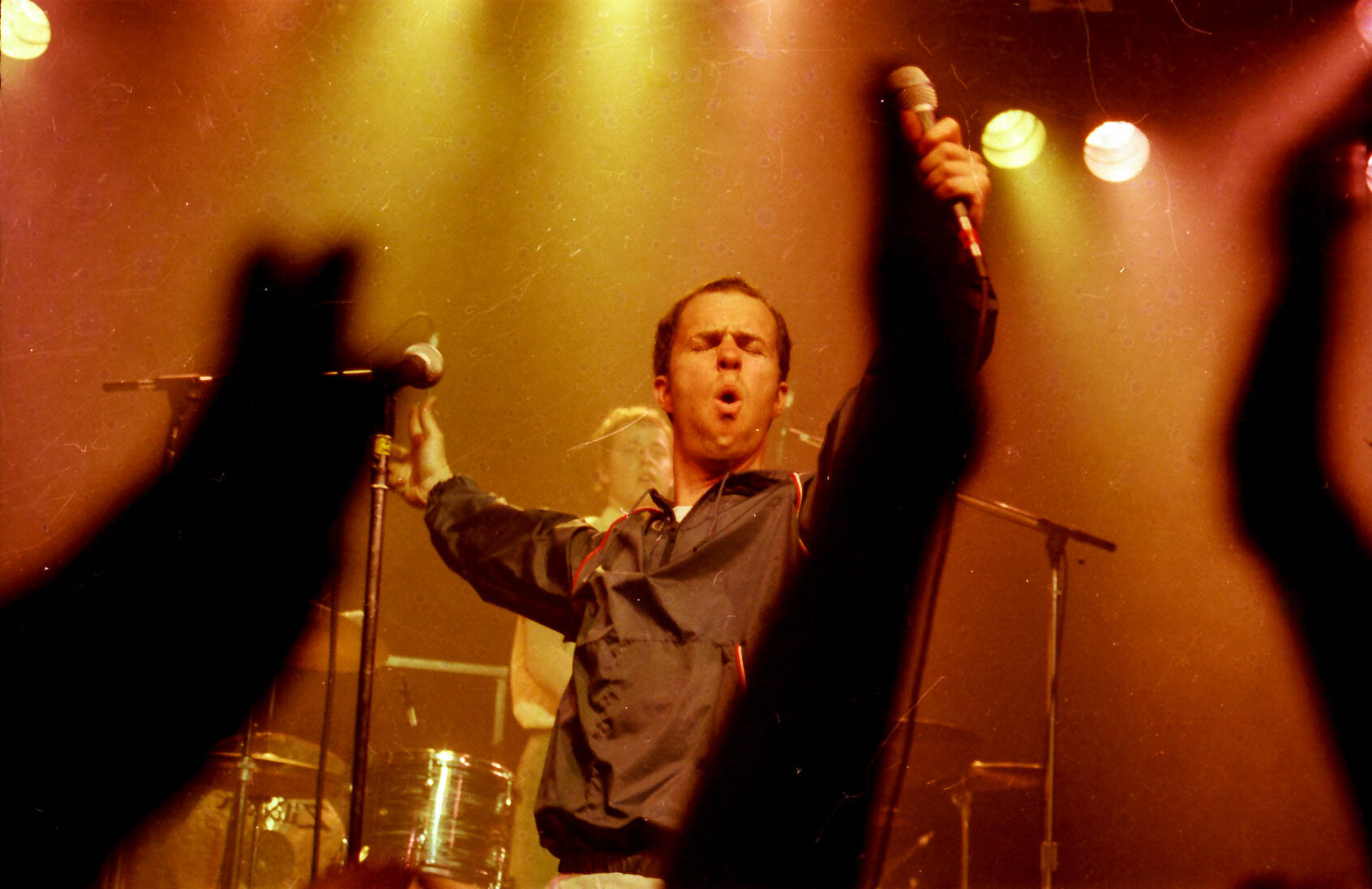
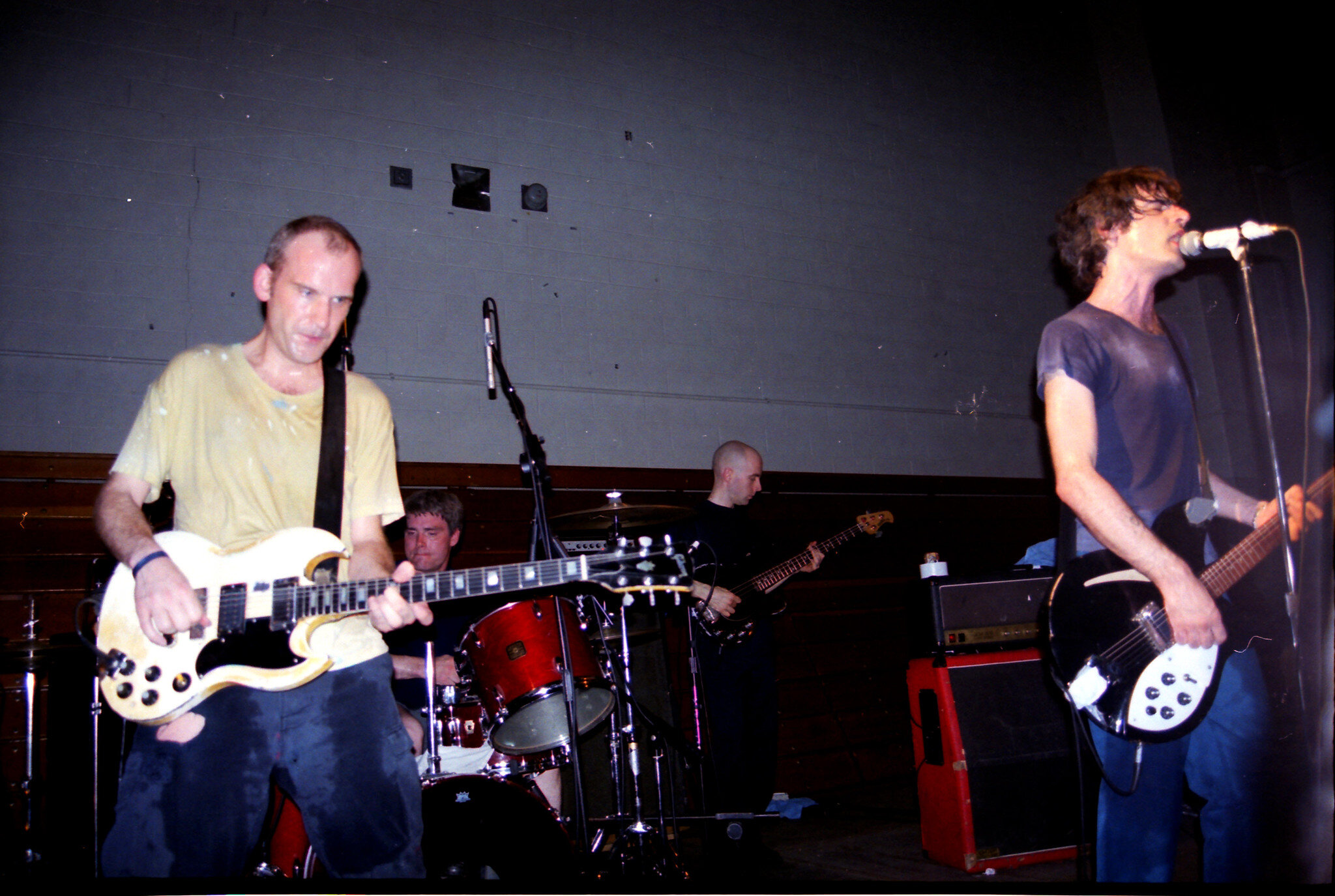
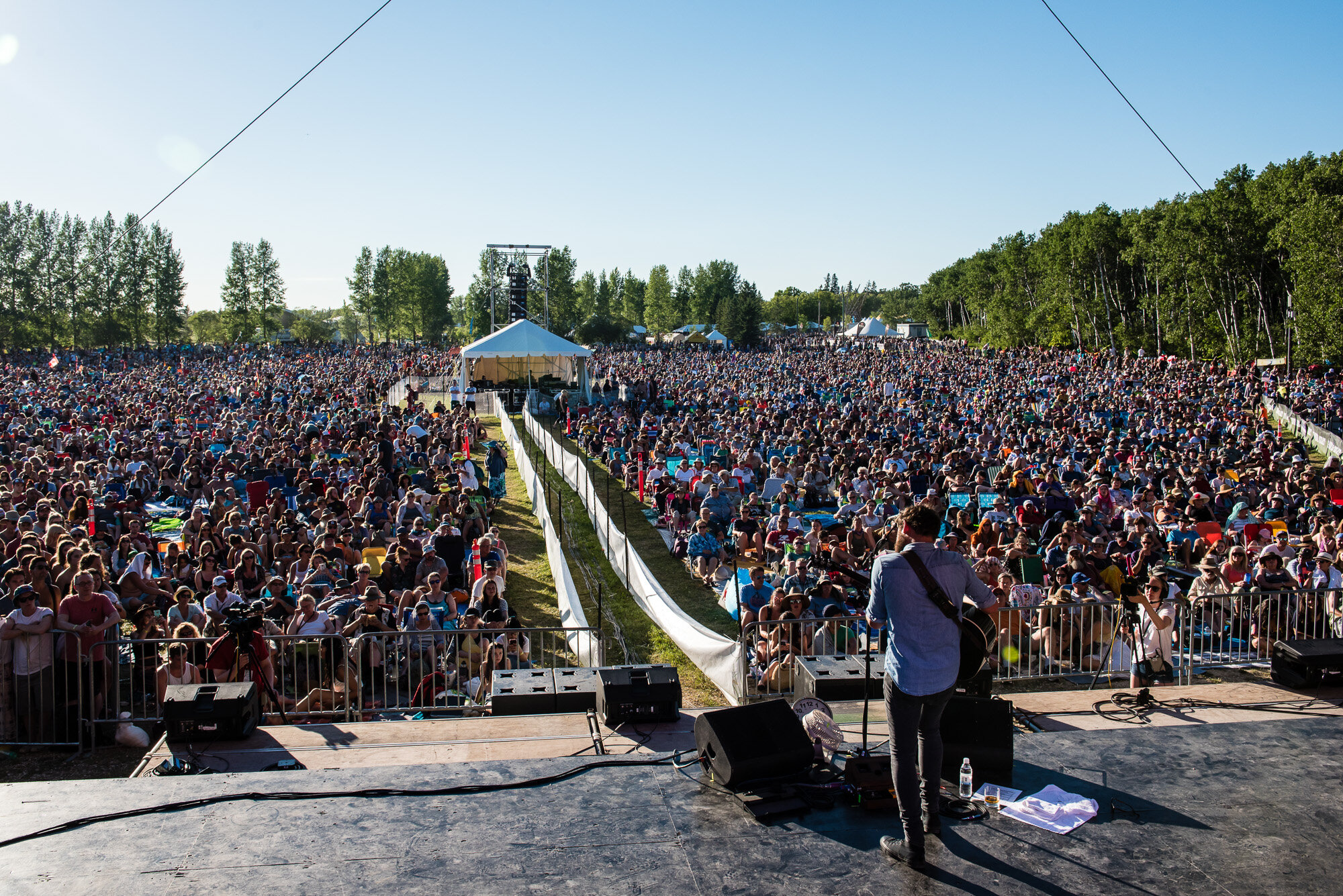
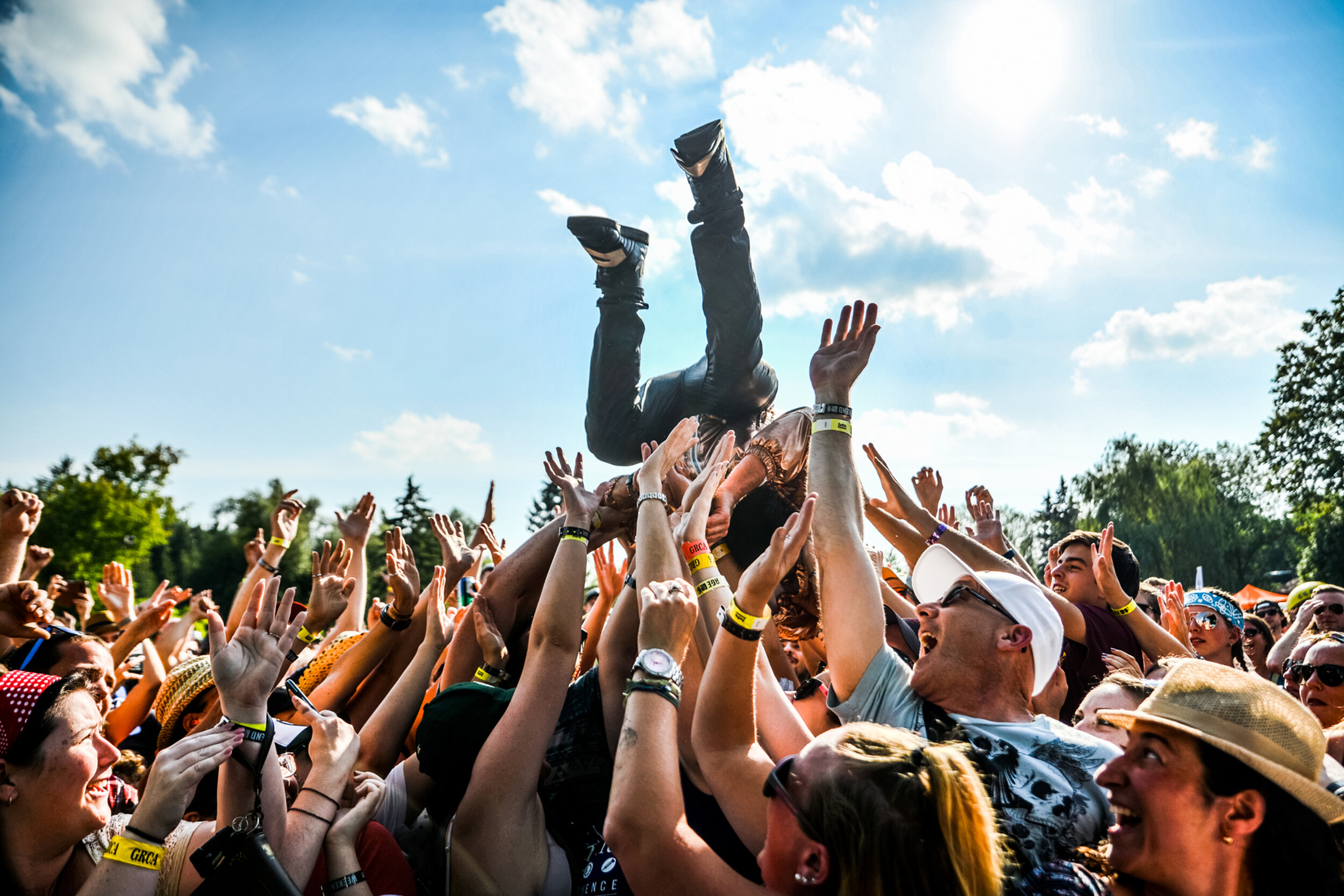
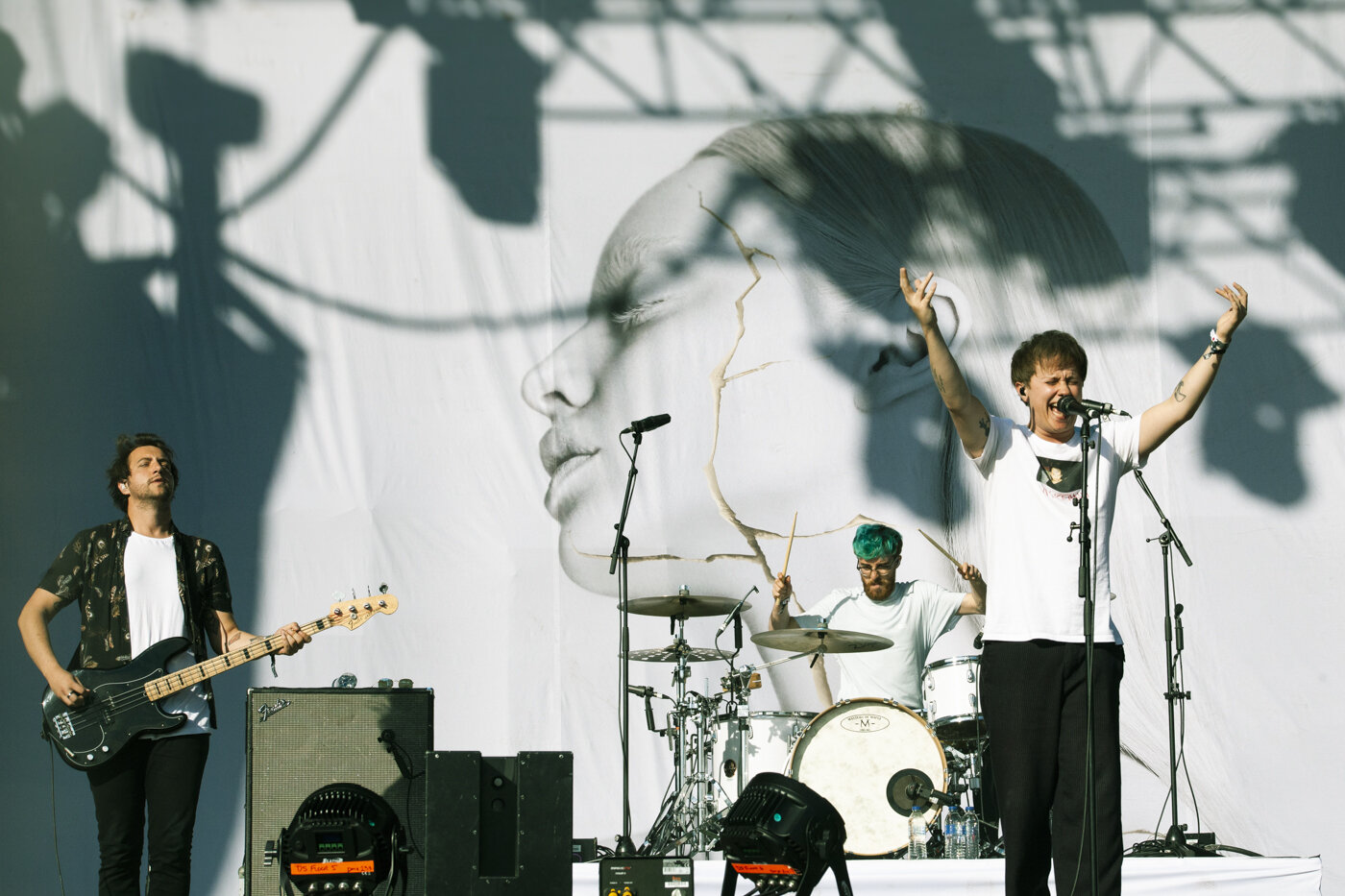
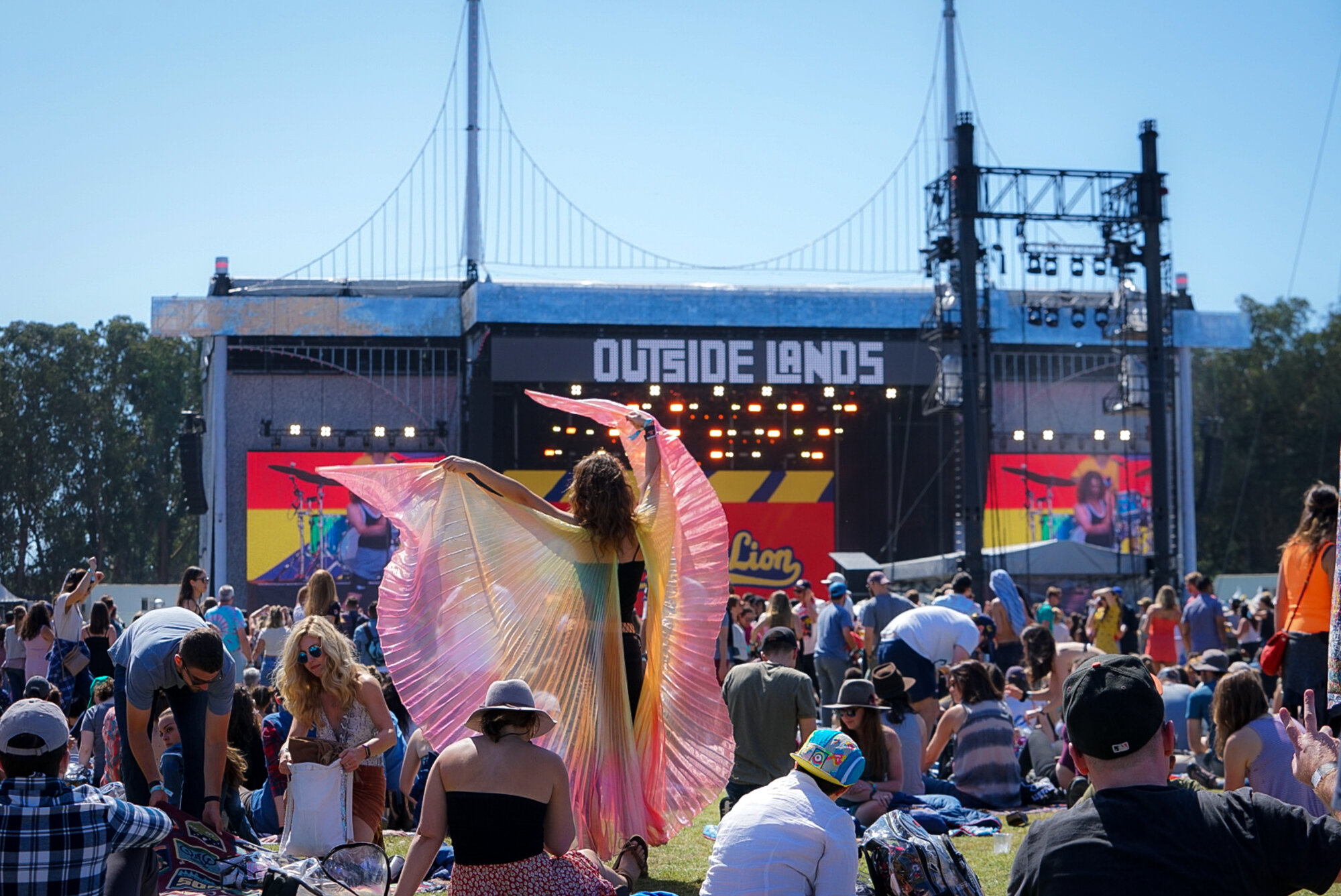
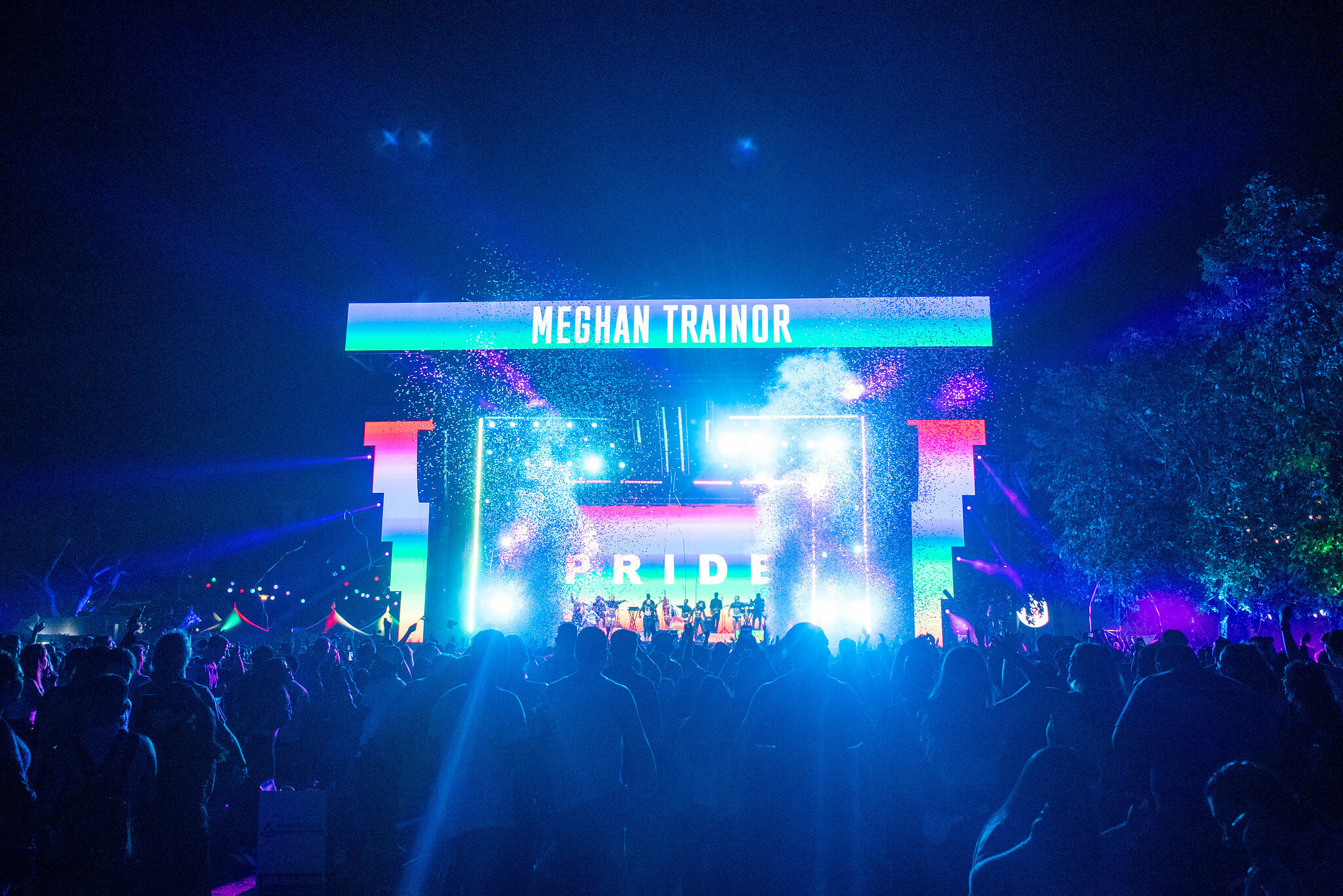
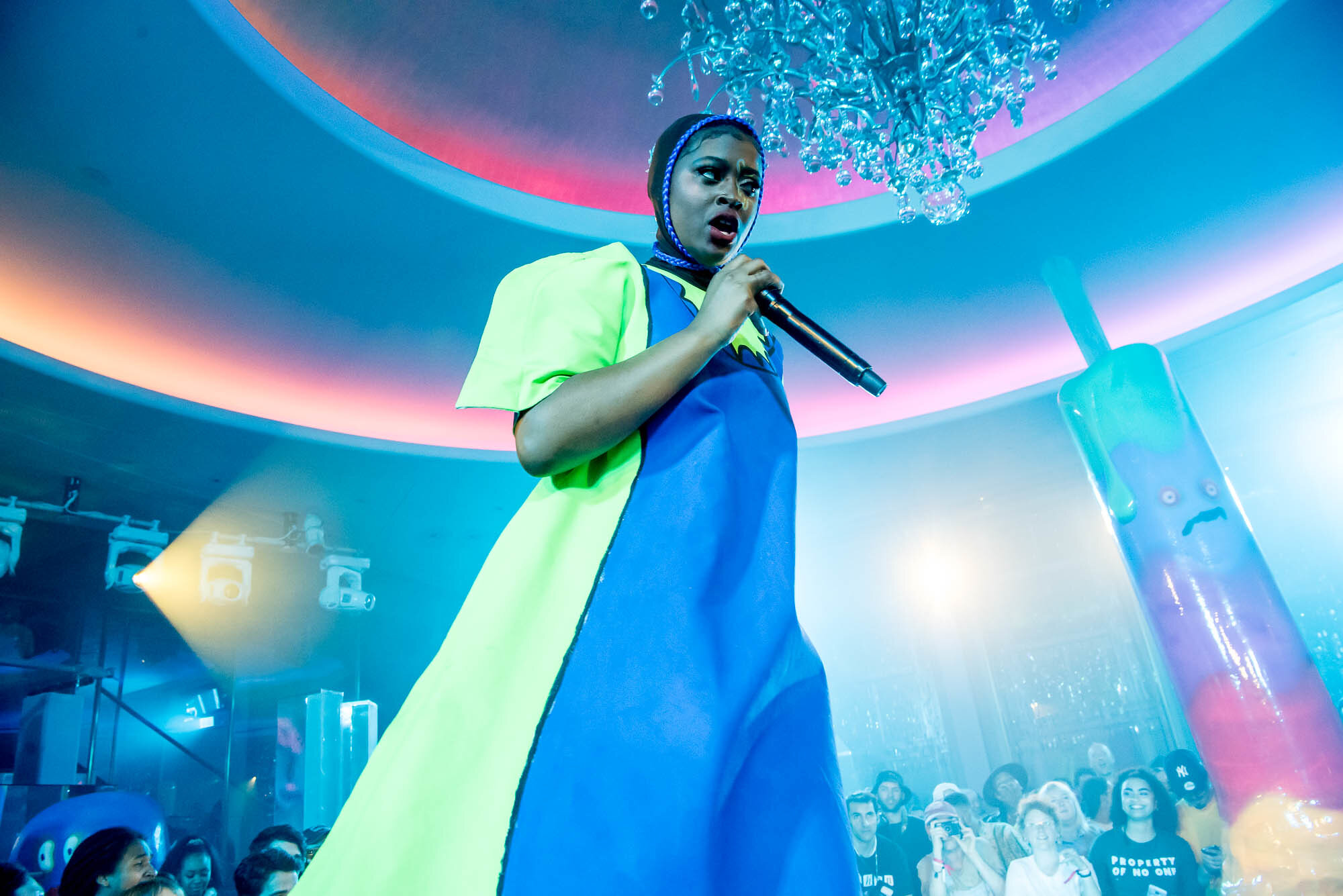
In Focus: Festivals

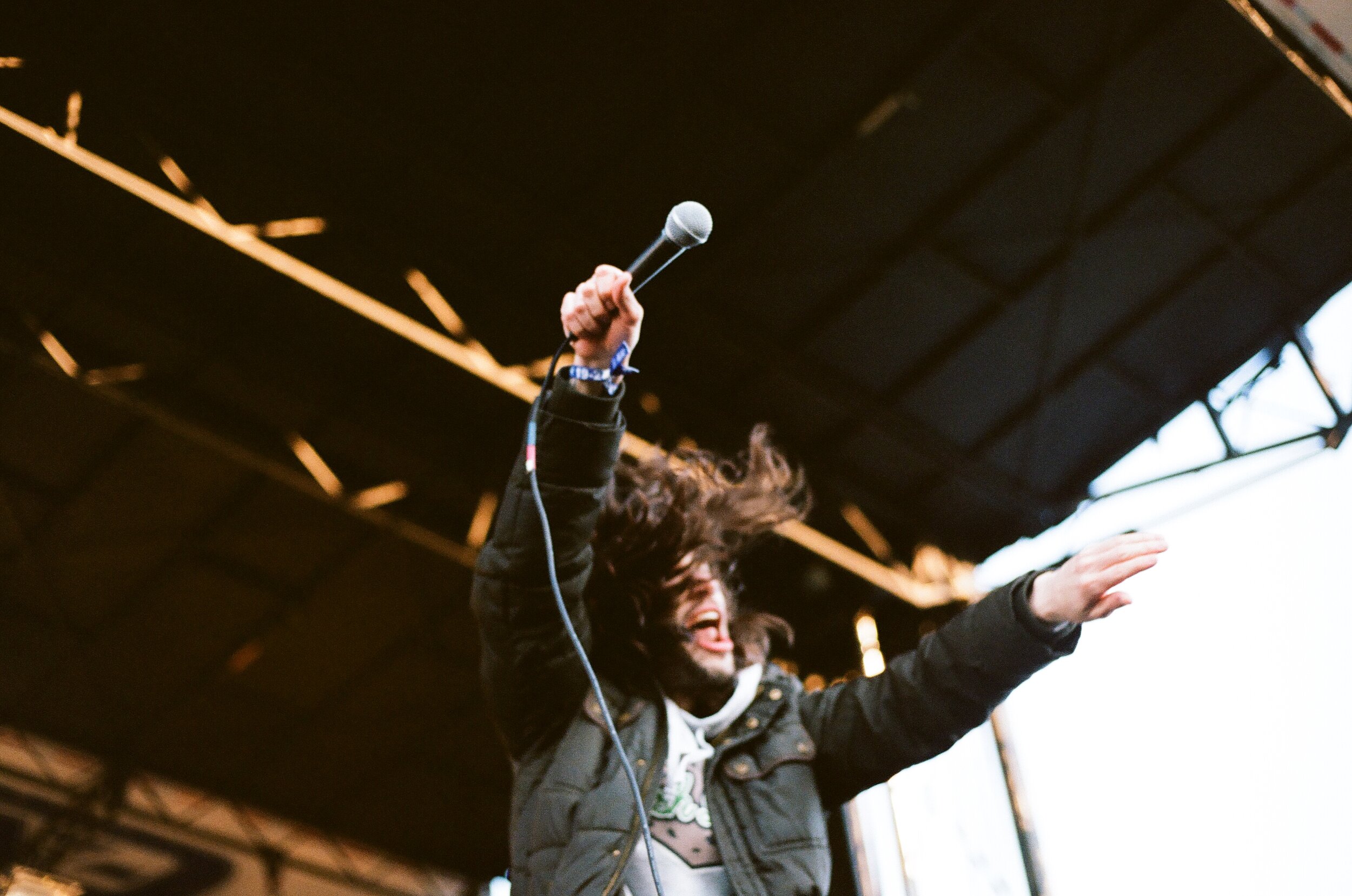
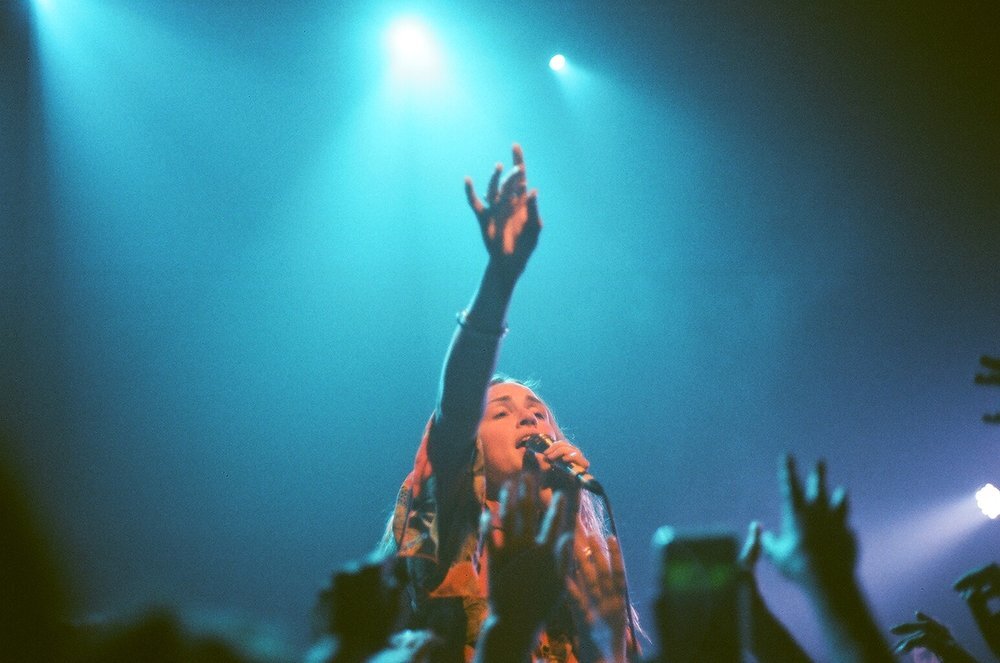
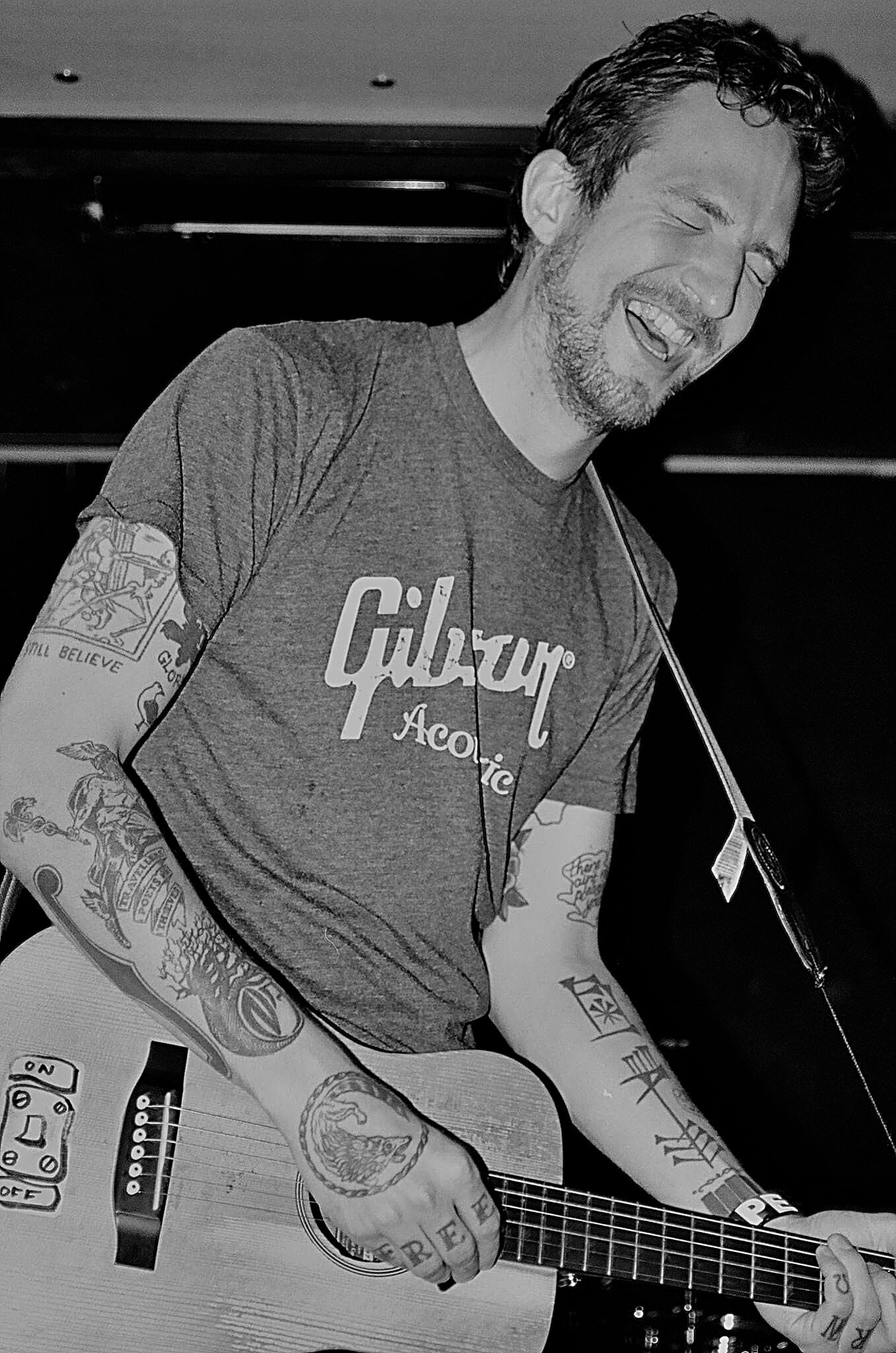
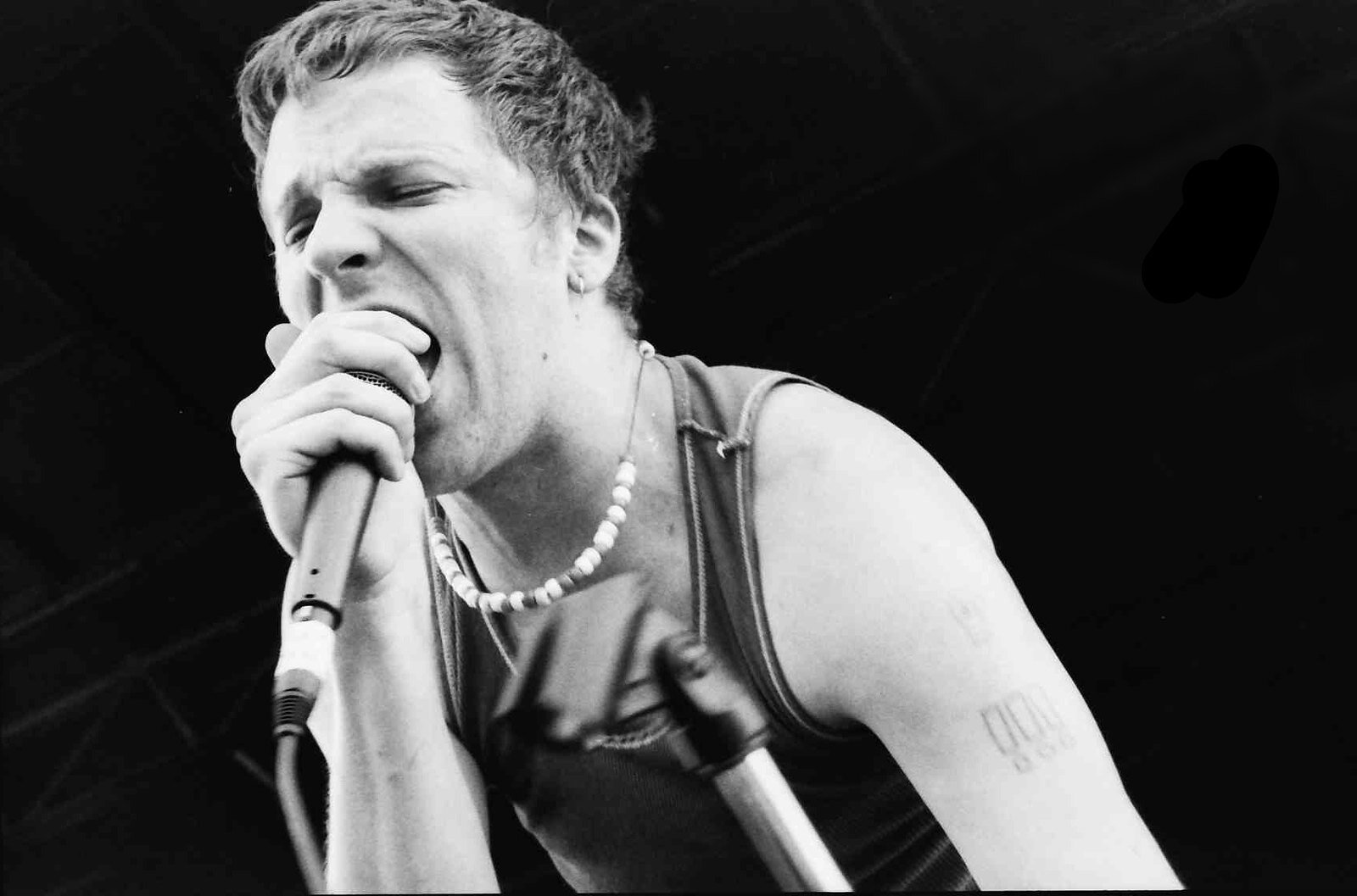
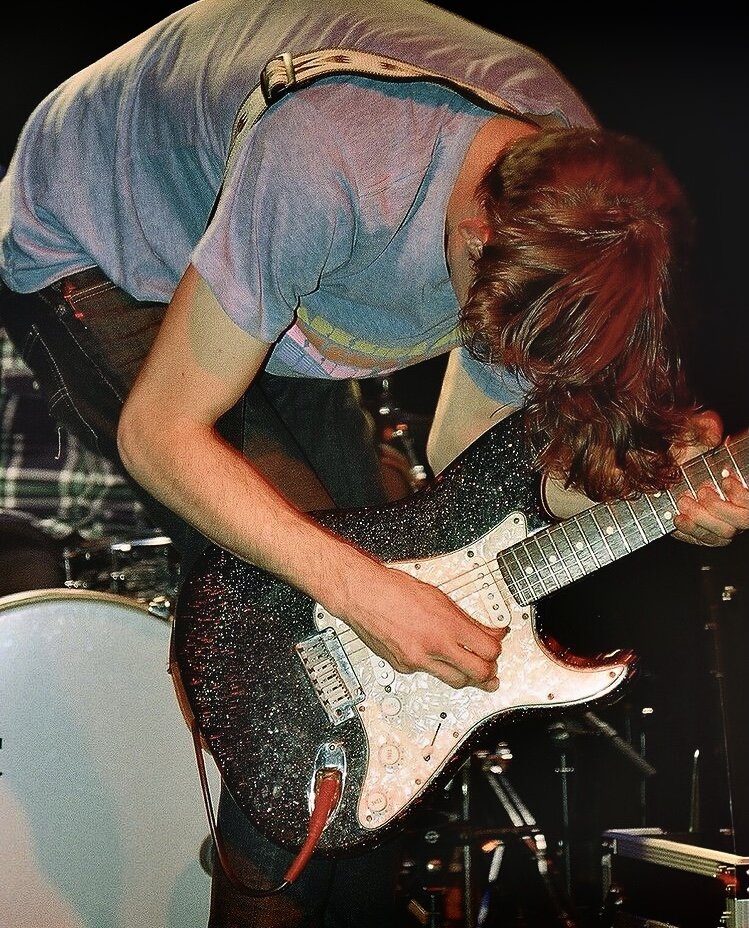
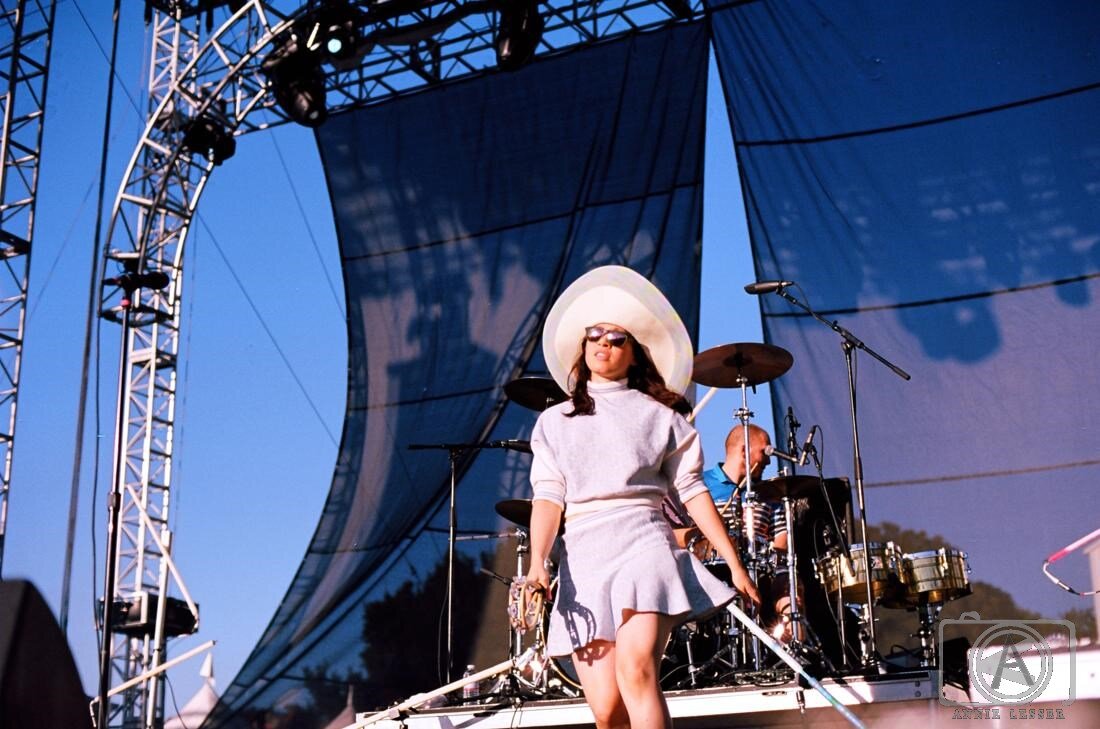
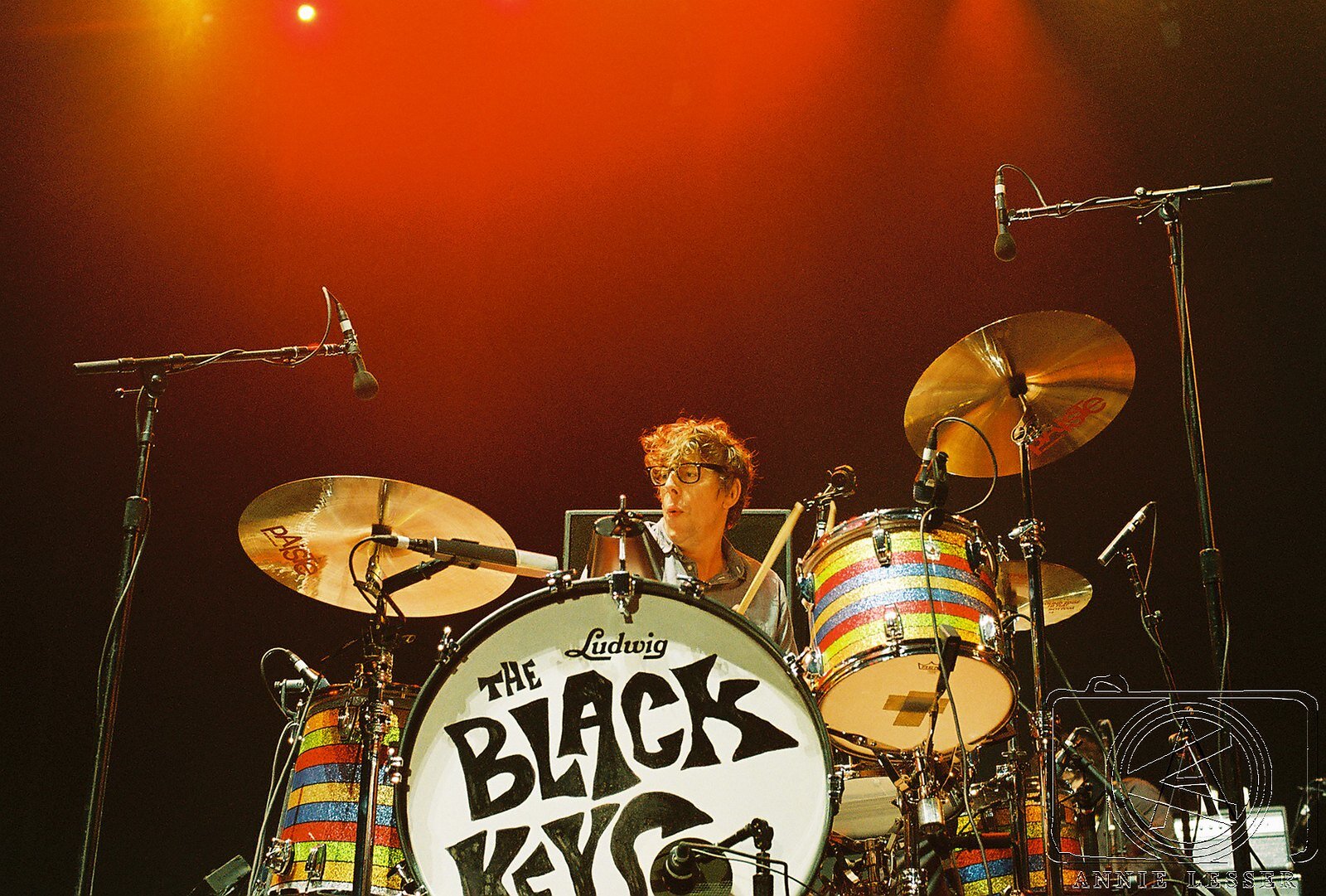
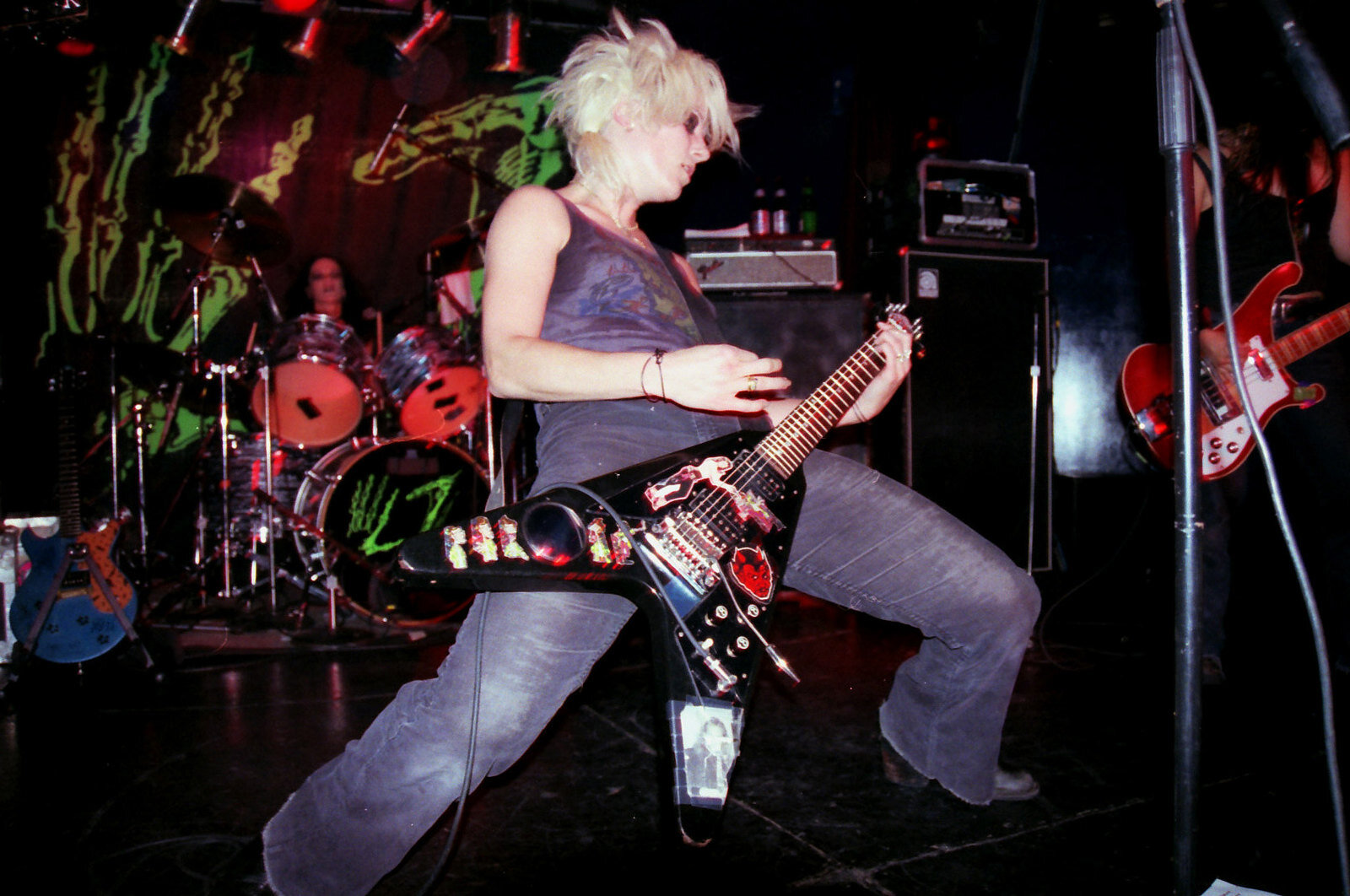
Cover photos by (left to right): Annie Lesser, Jenny Ramone, Gili Dailes, Annie Lesser, Jenny Ramone
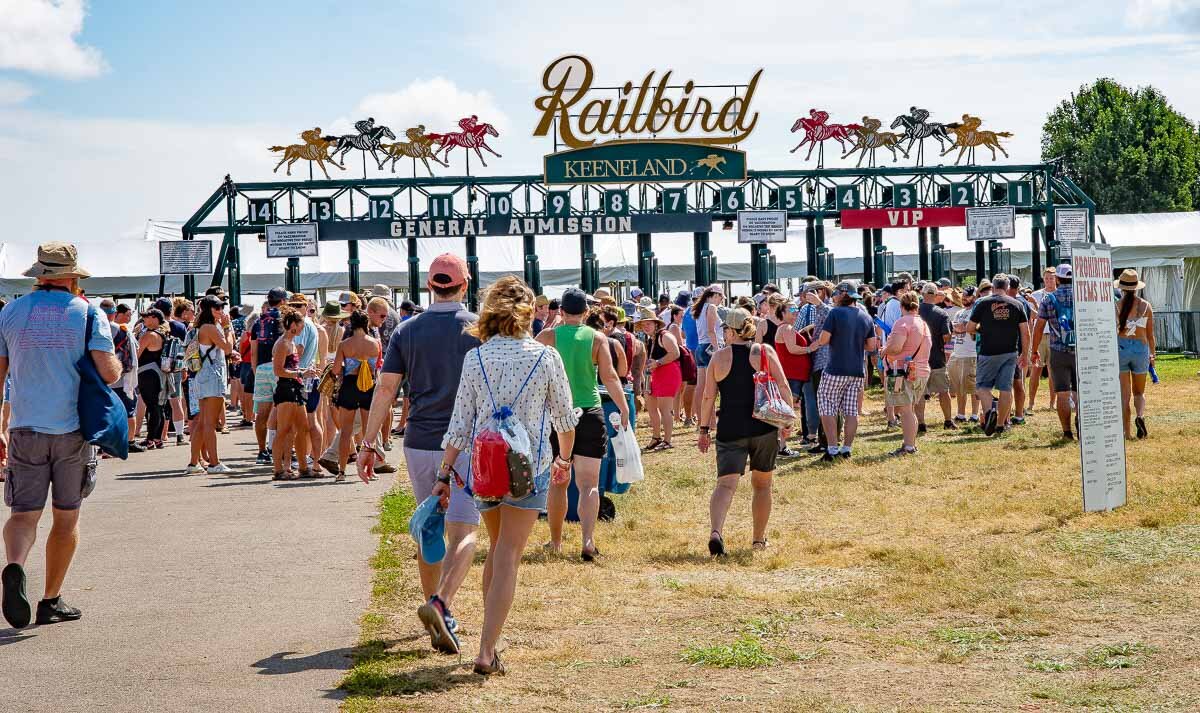
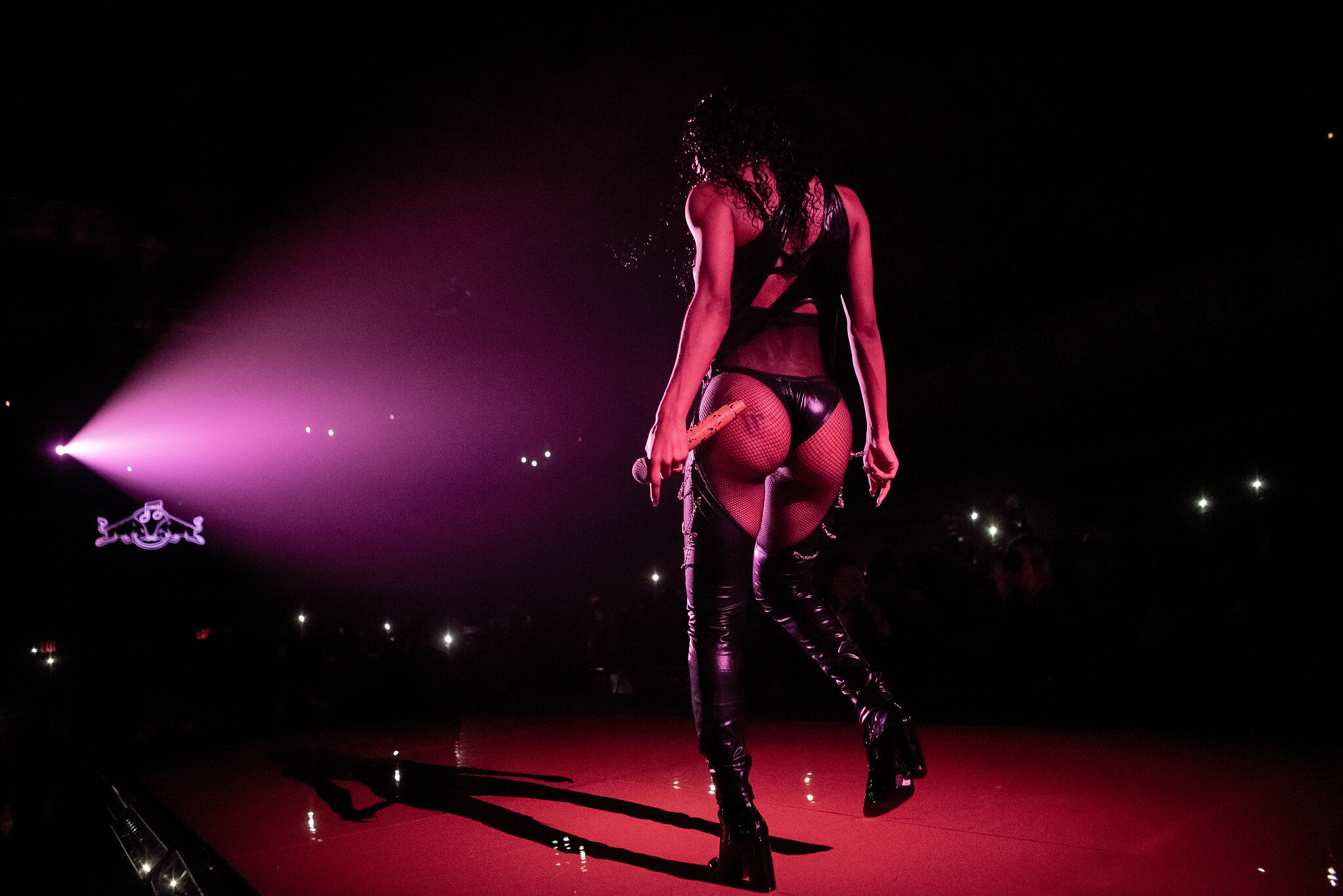
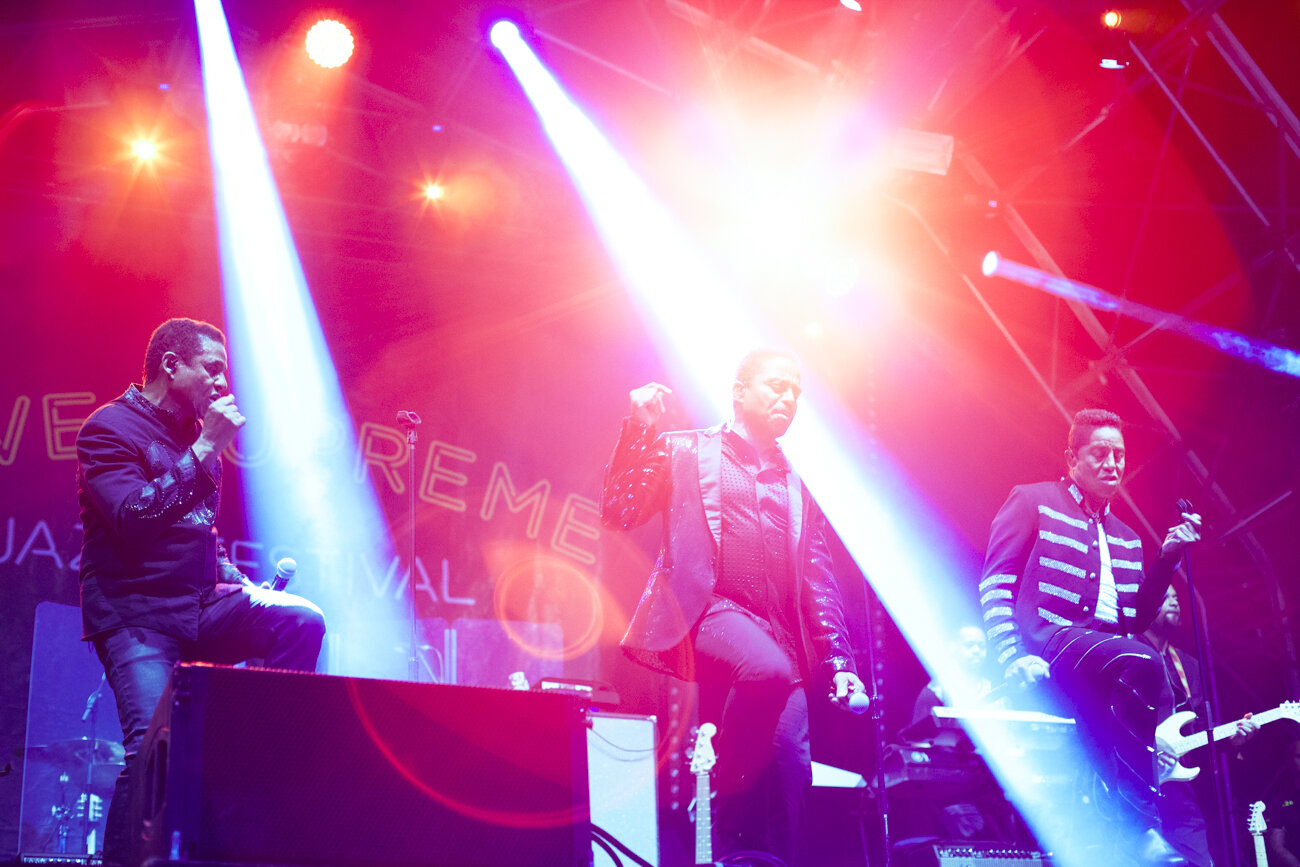
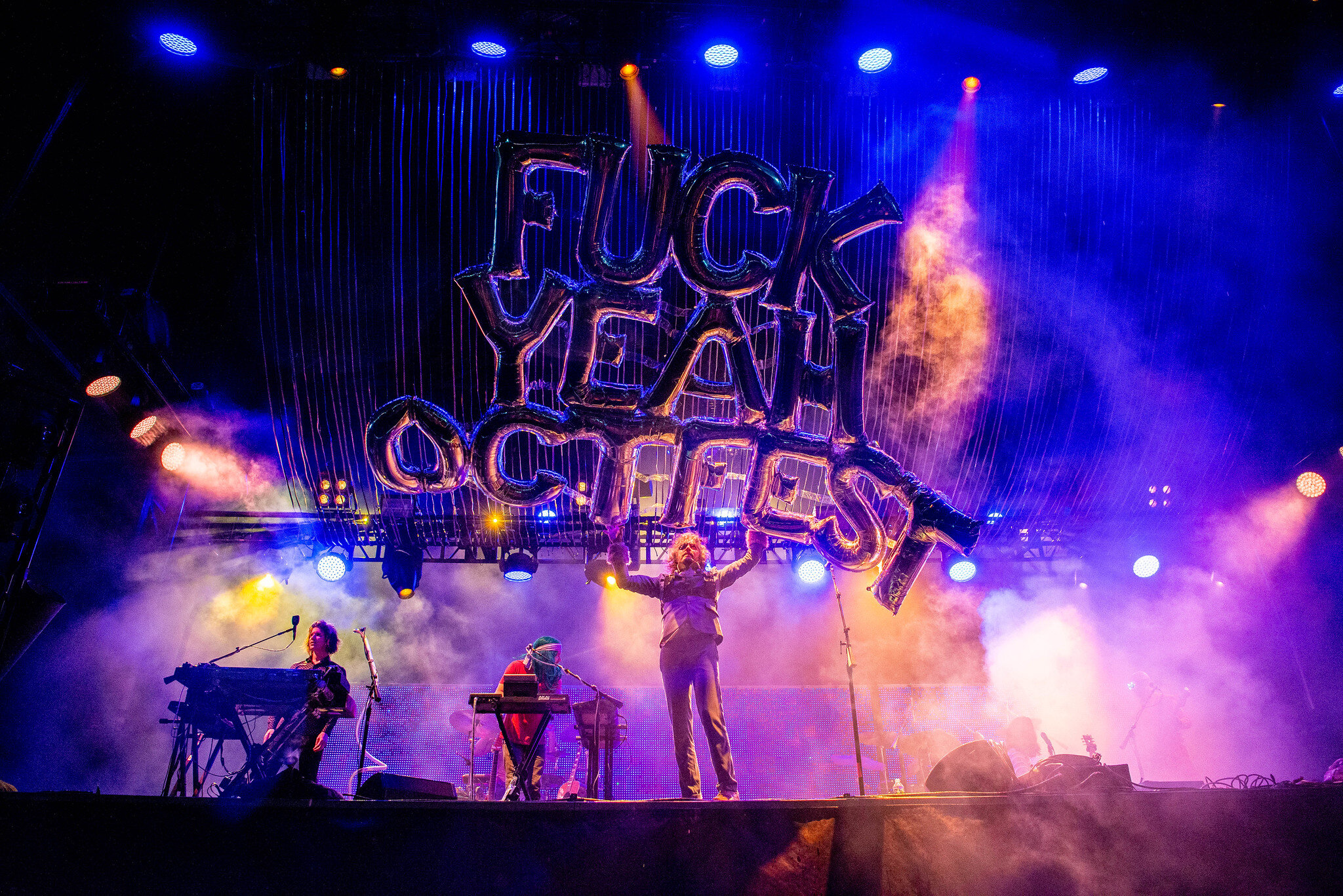
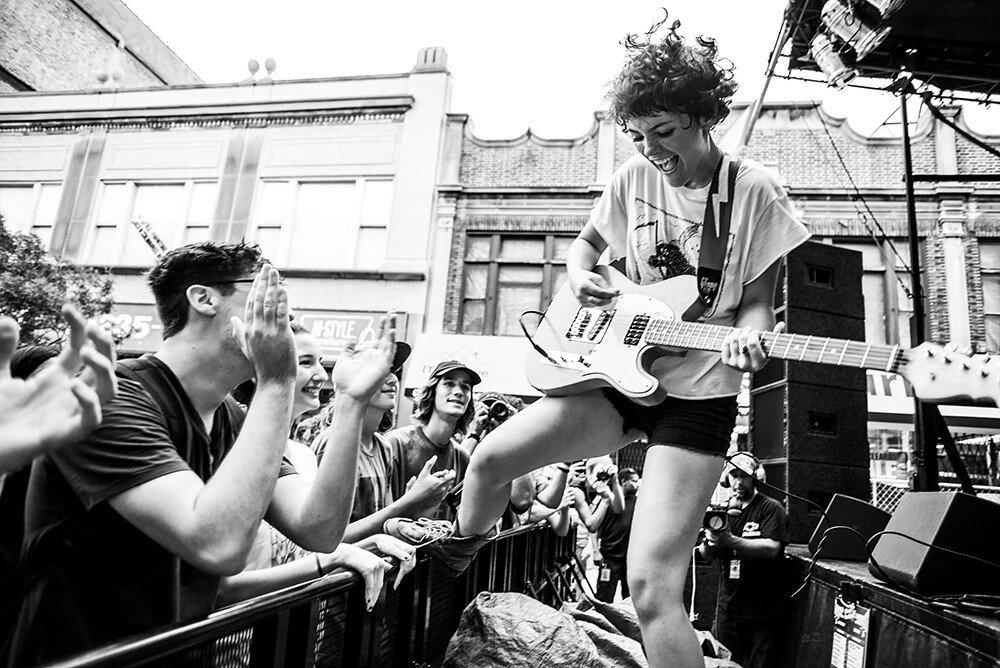
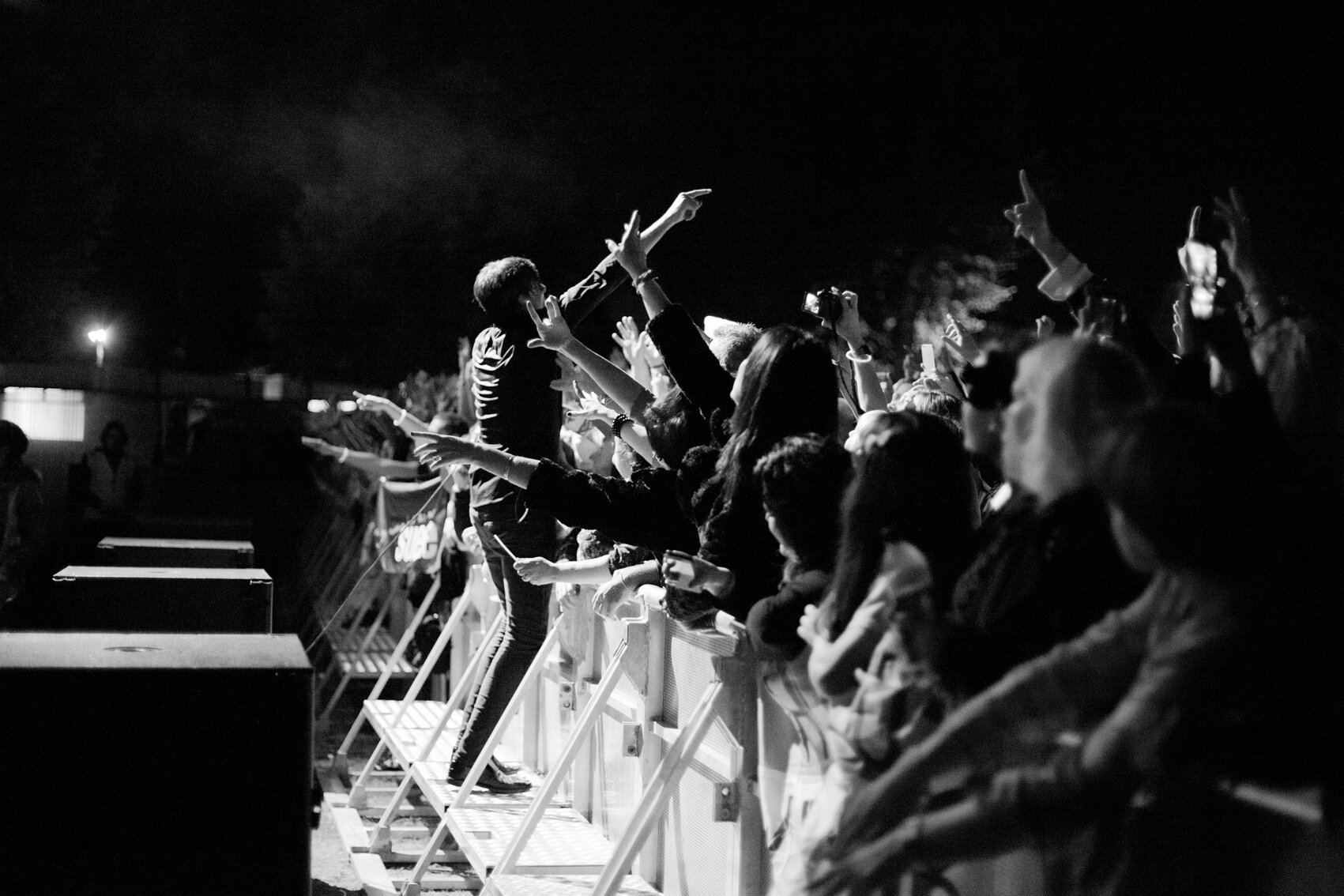
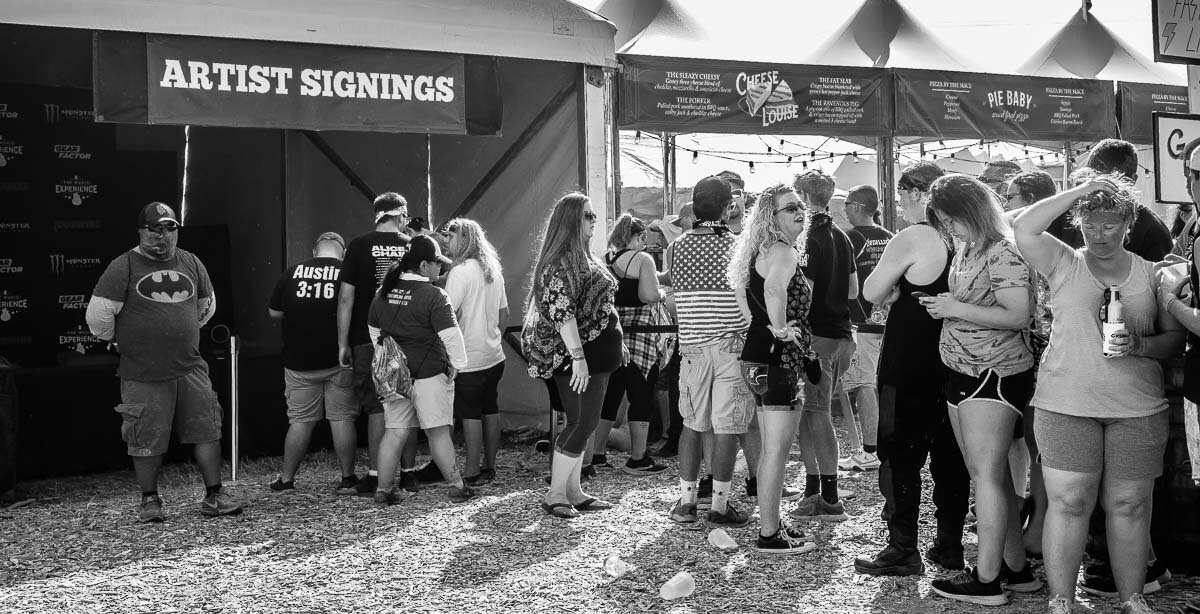
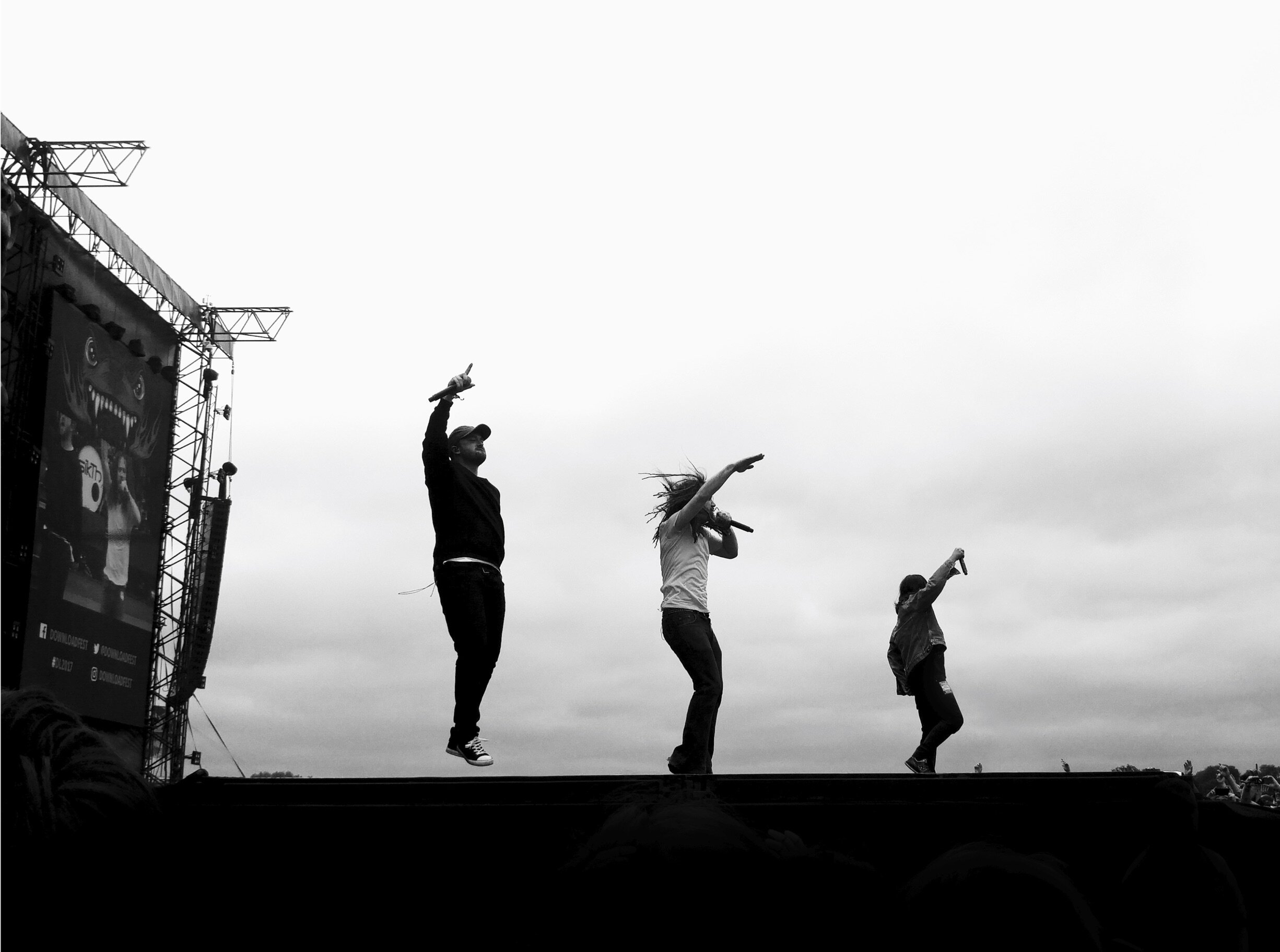
In Focus is a Photo Ladies collaborative photo series that showcases our members’ favorite photos, focusing on a different theme each month.
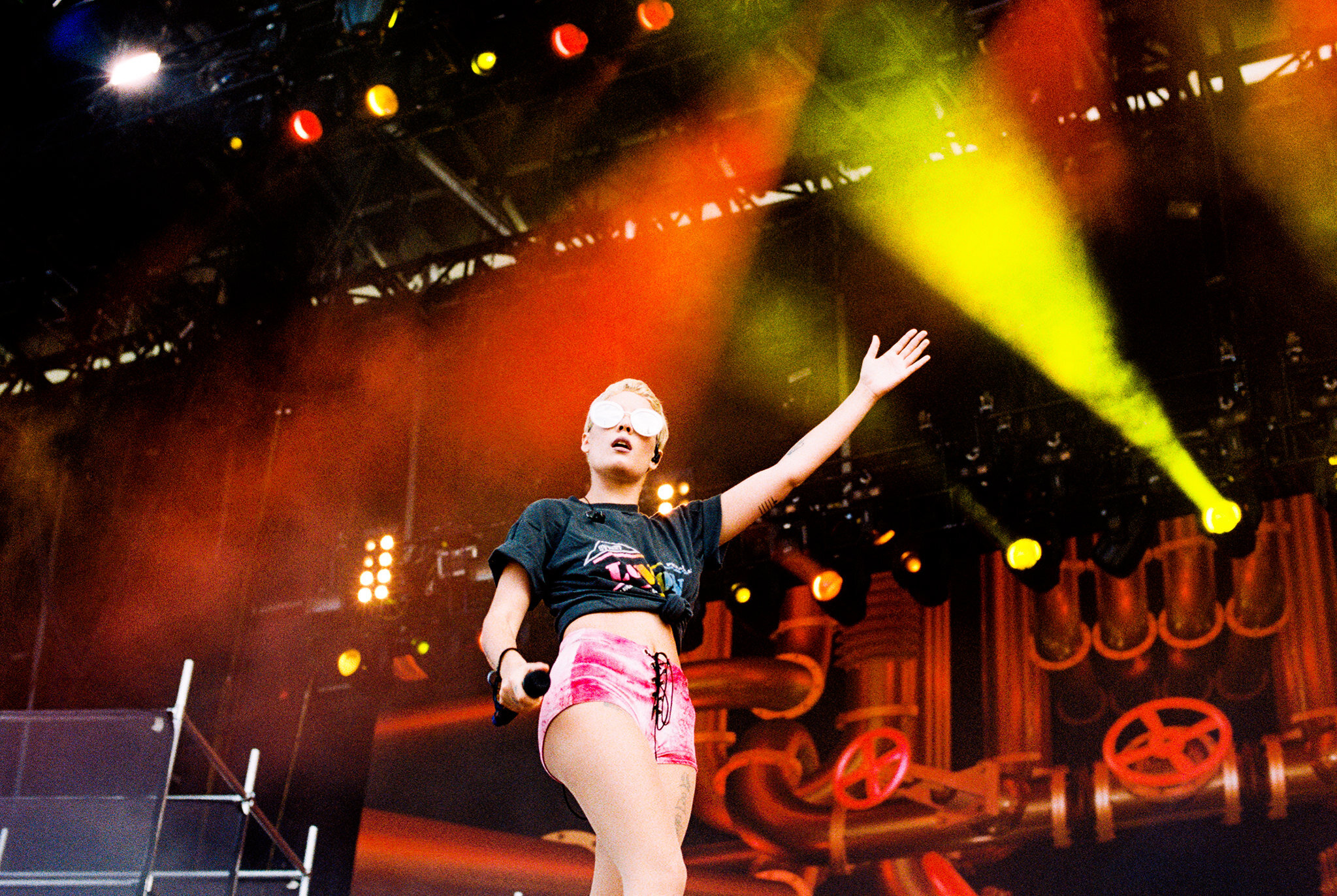
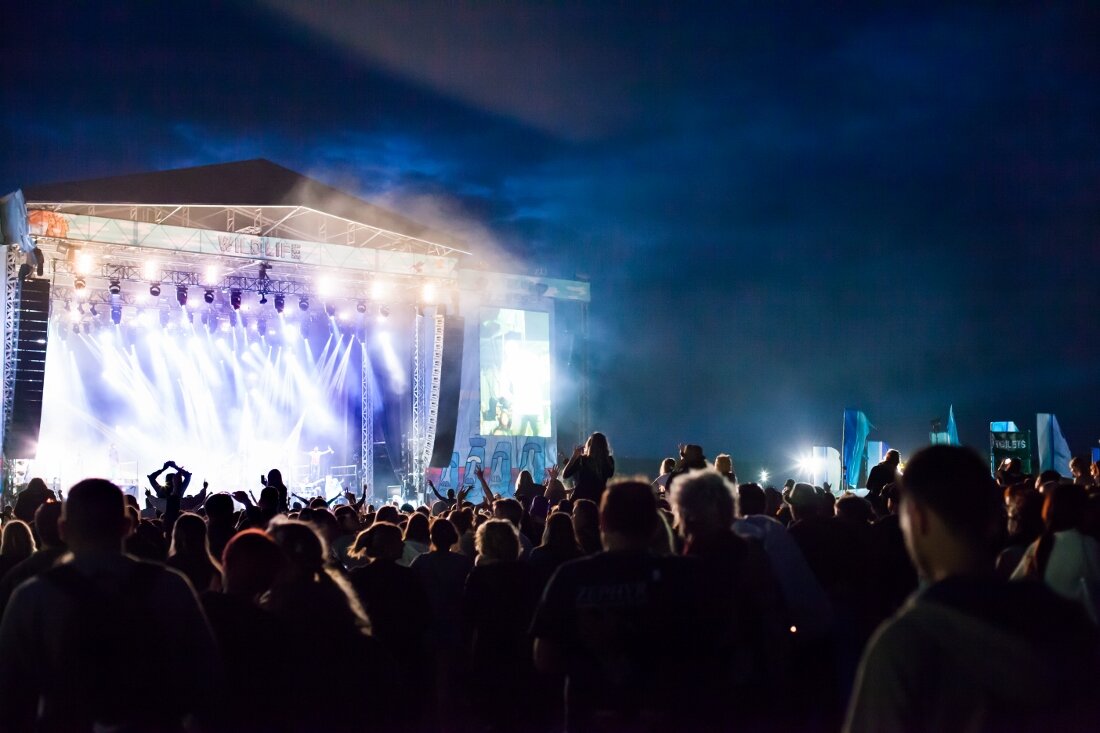
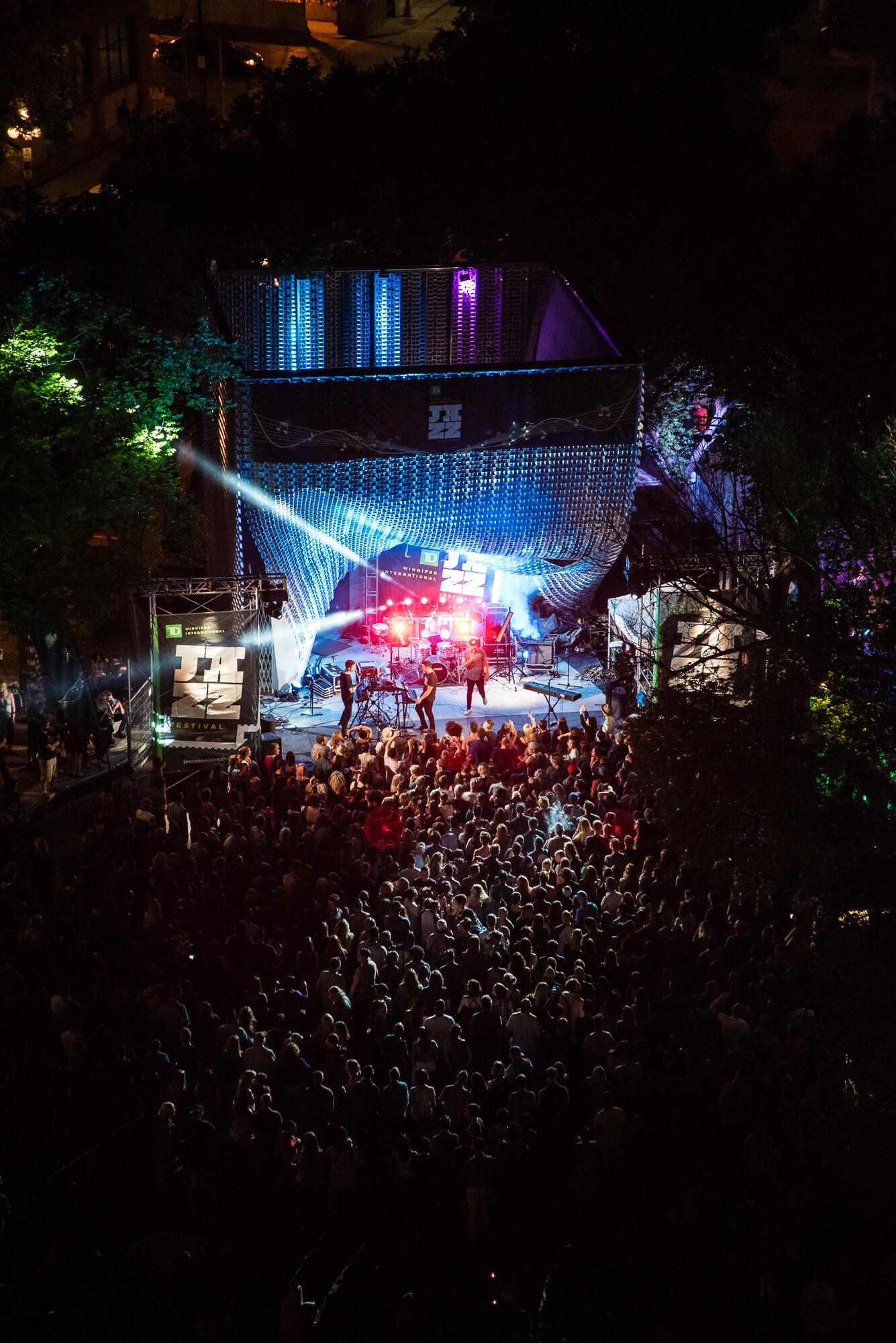
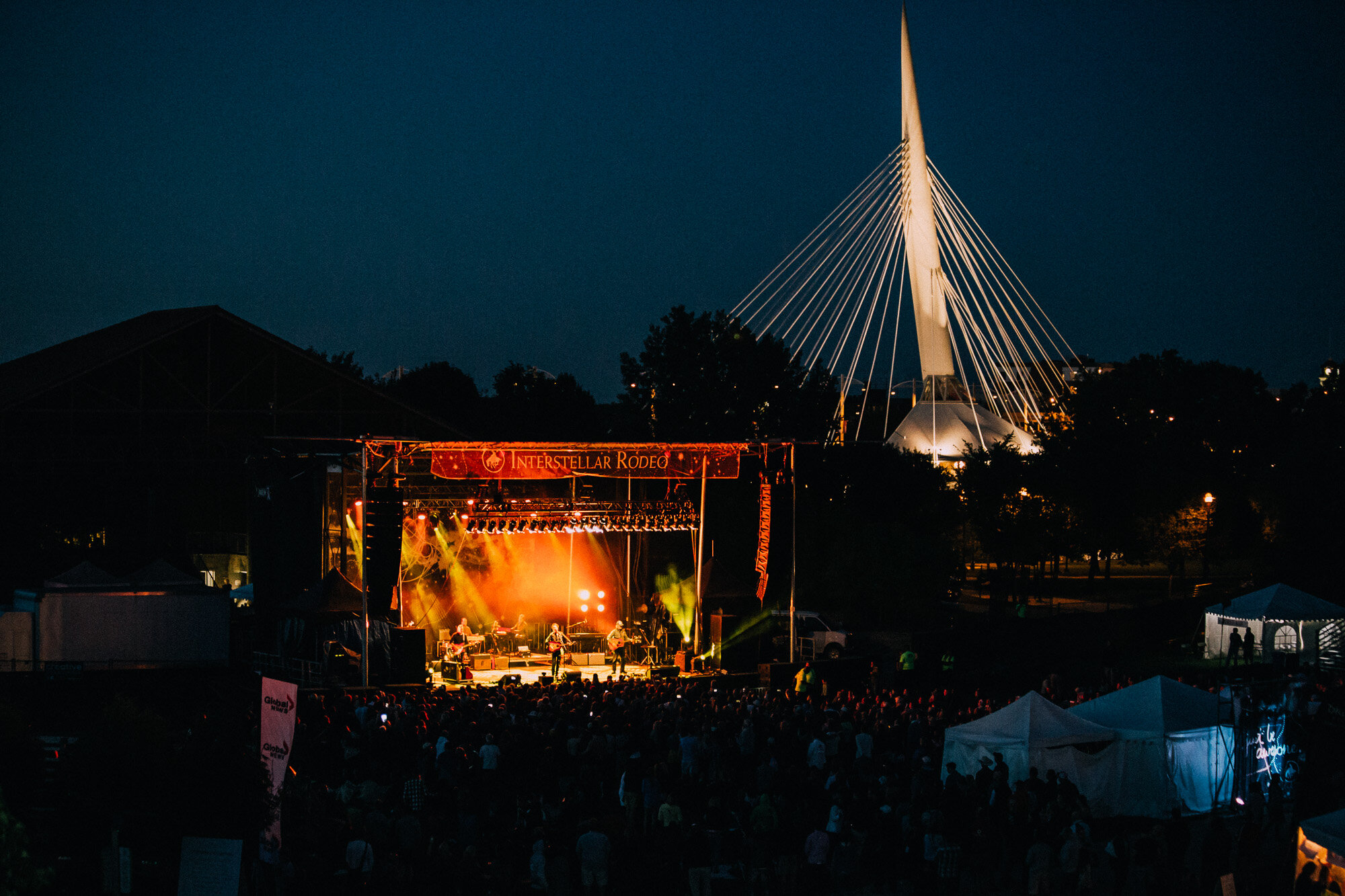
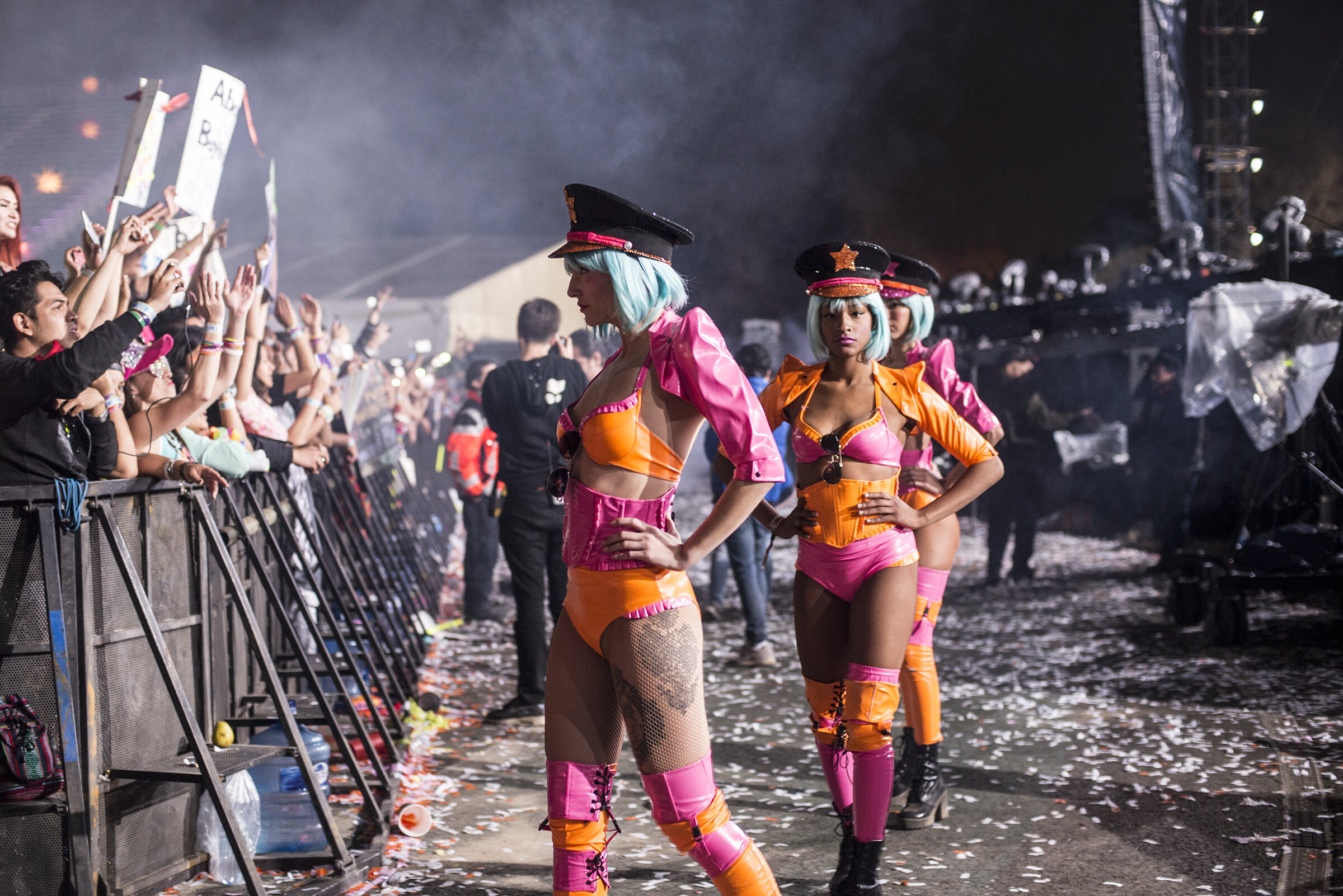
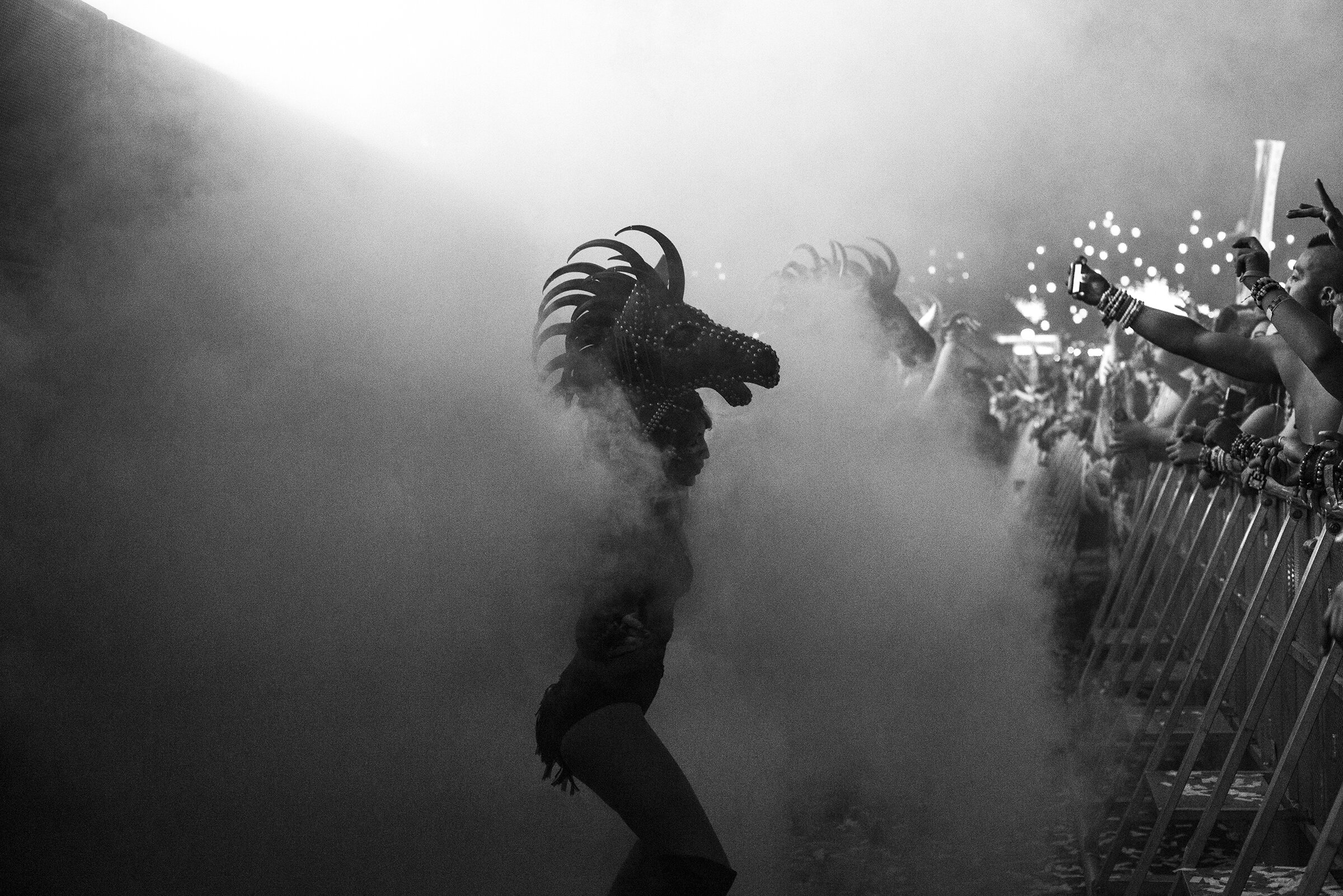
After missing more than a year of live music and festivals to Covid-19, during the Summer of 2021 it finally looked like things are slowly getting back to normal. To celebrate the cautious comeback of music festivals, here’s a selection of our favorite shots from the past few years.
Check out our previous In Focus galleries here: Drummers | Keyboardists | Bass Players | Jump Shots | Crowd Surfing | Shot on Film | Epic Mic Shots
ⓒ All photos are subject to copyrights and cannot be used without the photographer’s permission



Interview: BriaR

BriaR
Interview By: Emily May
Rising singer, songwriter and performer BriaR has always loved and been surrounded by music. The daughter of legendary rapper Mack 10 (also known as part of Westside Connection alongside Ice Cube and WC) and former step-mom T-Boz of TLC, she had plenty of guidance to help navigate her own career in music and people to go to when she needed advice. She recently released her debut single “Breathe Fire” from her forthcoming debut album Finding BriaR, out this fall. “The song came about during the pandemic. I was going through a tough time and I felt as though I wasn’t being heard. I created ‘Breathe Fire,’ an autobiographical record, explaining who I am and what I can bring to the table,” shares BriaR. Although the record contains personal lyrics, I still wanted this to be a groovy track that makes you want to dance, hence the bass heavy record in the background.” The process of writing and recording the album involved collaborating with her brother, rapper District 21, in their home studio . “Recording this was like my therapy and it still is my therapy,” says BriaR. “The EP is about discovering the different sides of this individual. These songs helped me realize everything I want.” Having transitioned over the past few years from more of an alt-rock sound to what she calls “psychedelic soul”, BriaR blends multiple genres including R&B, hip hop, and dance with art-rock, punk, and hooky pop. Having family who turned their own dreams into reality helped her to realize that anything is possible and has allowed her to strive to achieve her goals and dreams. With plans to release more music and music videos and to hopefully perform some live shows later this year, BriaR has plenty of great things coming up! You can follow and connect with BriaR via the following links.
INSTAGRAM | SPOTIFY | ITUNES/APPLE MUSIC | YOUTUBE | TIKTOK
You grew up in a family of artists, musicians, and entertainers and have said that you've been obsessed with music since you were 2 years old. What can you tell me about your childhood and cultivating your love for music from such a young age?
I certainly had an unorthodox childhood, just from having family members in the music industry. With that being said, my world was very music-based. Not in the way where my parents wanted me to do it, but just in the way that it was very important to my family. My mom, who is not an artist, always played music. Always. I mean, she and I used to do our own little music videos with our VHS camcorder back in the day! It was so fun. And with my dad, I explored different genres of music. And with my uncles and my siblings and my grandparents. Music is very, very important in our family. I feel like I pretty much didn't have a different choice but to become an artist because I was surrounded by it so much. Music has always been an integral part of my childhood and upbringing for sure.
You have said that you dream big because you come from a family that turned their own ambitions into reality. With your father and former stepmom being such prominent members of the music industry, how did they help to support and guide you with your own dreams of music growing up?
It pretty much just showed me that anything is possible. To me, there's no such thing as limitations and you should always reach for the stars in everything that you do. So, having my father be who he is and my sister's mom, my former stepmom, be who she is, they really reached such high levels of success in their careers, so there were no limitations for me. I think that's why I am the way I am today when it comes to dreaming big. I've seen what dreaming big can do and what it can turn into firsthand.
In having a father and former stepmom who are so well-established in the music industry, do you feel like you have been given the space to be your own artist with your own sound?
I definitely feel like I have been given the space to be my own artist for sure. My father was a prominent figure in the Gangsta Rap world, which is certainly far from what I'm doing. As far as Tionne goes, she is a very prominent figure in the pop and R&B world, but I think that she and I are very different in our styles. Did she influence me? Absolutely! She's been around for my entire life, so of course, she's influenced me. I definitely don't have to worry about comparisons or pressure of being like them or being compared to them, because I really have created my own lane, and my dad and my family have allowed me to be exactly how I want to be as an artist.
A few years back you performed in a band called BMR that had a more alt-rock sound. What can you tell me about that time for you and about transitioning sonically with your current solo project towards what you call "psychedelic soul"?
One of my favorite genres of music is an alternative music and I was in a band, BMR, and it was a lot of fun! It was me and my neighbors I grew up with and my cousin and we had such a great time re-creating songs and just creating great music. I kind of just felt a transition in my life in 2020, as I think all of us did, and that's where I discovered BriaR. Just me, myself. Not myself in the band, but just me as a solo artist. I really explored my feelings and I explored sounds that made me want to groove and that were different from any other music I had done before. BriaR is very different from BMR, but the transition was very organic. And actually, I still created records that were similar to BMR, but I had to make a cohesive project, so that's why some of the records didn't make the EP. I always keep that alternative sound somewhere in my catalog.
You recently released your debut single "Breathe Fire", as well as a music video, and have said that you wrote the song during the pandemic while were going through a tough time and felt like you weren't being heard. What can you tell me about the message behing that song, as wel as the music video?
The message behind that song is really just explaining exactly who BriaR is. I quite literally describe my personality and I have a very strong personality. With that being said, I am fiercely loyal. At the time, in the pandemic, it was a transitional period for be because I was going from being an alternative artist to being a psych-soul artist. A lot was happening in my personal life and I just wanted to create a record where it was, like, "Hey! This is me and this is who I am" and I know I've got this fierce personality, so let me put it down in a record. As far as the music video, at that time, since there was so much going on in 2020, I really just wanted to escape reality. I really dove into the stars and galaxies and just space. So, with "Breathe Fire", with the video, I wanted to emmulate like I was in a spaceship and what I would do if I was in a spaceship. I would dance my ass off (laughs) and just sing and be one with myself. So, that's where the video came from, kind of elaborating on this idea of escaping reality and diving into space and just going abroad and above earth.
The single is from your forthcoming debut album Finding BriaR, which you have said was your therapy, helped you to discover your different sides, and realize everything you want. What can you tell me about the process of writing the songs for the EP and the message you hope people take away from it?
The writing process was really organic. My brother and I, during quarantine, pretty much...we have a home studio and just locked ourselves in the studio and dedicated hours and hours a day to writing and creating a project. The writing process was really fun! It really forced me to bring out my best songwriting thus far. It forced me to collaborate with my brother, because I trust his musical ear very much, and the writing process was great. My brother and I, kind of formed a Billie Eilish and Finneas thing, as I like to say. He's not really a producer, but he is an artist himself. We just wrote and we'd get the beat first. We'd listen to the beat and then would come up with the song. I personally feel like the beat will tell you what you need to write about. Once I had each beat, I was writing and it was just coming out and my brother would help me speak lines here and there. Some songs I wrote completely on my own. It was fun and was really awesome to collaborate with my brother so closely on this project. We really pushed each other’s boundaries and it was an ideal writing process, honestly. I can't complain.
Had you and your brother collaborated in the past or was it the first time you had done so?
We've actually done a lot of records together in the past, but they were records that he wrote and wanted me just to sing on. So it was never really a collaborative effort, but more like "Hey. Can you be featured on this?". This was the first time that he and I actually started from the beginning of the process of creating a record. So this is the very first time we really started from the beginning together and ended it together. Typically, with all of our other records, it's at the tail end when one of us joins.
Do you have plans to collaborate more going forward?
Definitely! That is certainly in our plans for the future. We are very different artists but we are both music lovers and love creating, so there's definitely a possibility of my brother and I working together in the future, for sure.
What kinds of things do you like to do for fun outside of music?
I love dancing and going to take dance classes. I love pilates. I love hanging out with my family. I have a big family, so I love hanging out with them. I like being outdoors, like at the beach. The beach is not far from my house, so I love being at the beach. But definitely dancing and any sort of outdoor activity.
You have talked about the influence of fashion on your art. What can you tell me about your love for fashion and it correlates with music? Who would you name as some of your favorite fashion idols?
For starters, my most favorite female icon is Gwen Stefani! She is it for me. She just gets it and she's so cool. Another female fashion icon I totally adore is Rihanna! She is totally and unapologetically herself. Her fashion is just incredible. I love ASAP Rocky and think he is a phenomenal fashion icon. Even people like Janet Jackson. You know, she's had a lot of really cool styles. And Aaliyah, from back in the day. I loved her sense of style, as well. Fashion means a lot to me. I personally have a very eclectic taste in fashion. My friends always say "You know, only you could pull that off" because I love platforms. I love platforms and I love really cool pants, whether they are baggy or even a satin material or latex material. I love exploring fashion and taking fashion risks. It plays a huge part in my music, as well, because my music is very eclectic. It's not just pop or R&B. It's a mix of so many different things, and that's how my fashion is, as well. I like to take cool pieces that...you know, some pieces are worth a lot and some pieces aren't worth a lot. But if you can mix it together and create something that's totally different, unlike anything else that someone is wearing, then I think you've done your job. So, fashion plays a huge part in my life and my music.
Do you see yourself incorporating fashion into your live shows and doing crazy costumes and things like that?
I would think fashion will be a big part, but I'm probably not going to give you a Lady Gaga meat dress for live performances (laughs)! I still have to be able to dance and everything. But my space outfits will definitely be a huge part of my show because I want people to understand my aesthetic and relate to it and be inspired by it. All of that comes with the live show, so fashion will definitely play a big part in my live performance.
What's next for you? What are some of your goals going forward?
To get on the road. I'm hoping that this Delta variant kind of dies down. I'm ready to hit the road and put on some more performance for everyone. Also, the release of my EP, Finding BriaR, will be coming in the fall. And also just releasing more music and music videos. I have some more music on the way that I'm super excited about. I just want to keep giving to the fans and just keep giving to everyone!

Interview: PremRock

PremRock
Interview & Photos By: Edwina Hay
Rapper PremRock has been a part of the independent scene in New York City for years now and has performed alongside rappers such as Open Mike Eagle, Armand Hammer, milo, and others. He’s impressively released two albums in 2020 and 2021 as a solo artist and with Curly Castro as a duo called ShrapKnel.
His newest album, Load Bearing Crow’s Feet, was released by Backwoodz Studios in June 2021, the independent label created by billy woods, that also put out ShrapKnel’s self-titled record in March 2020. In this interview, we learn more about PremRock’s newest album, how he met some of his colleagues, and what he read and listened to when New York, and most of the world, shut down.
Bandcamp | Youtube | Twitter | Spotify | Apple Music | Instagram | Facebook
PremRock, you just held a record release show for your latest solo record, Load Bearing Crow’s Feet, which was your first live performance in 16 months. How did it feel to perform in front of an audience again?
PremRock: Definitely was a mixture of emotions. It felt great to actually perform but the rust felt a little apparent so leading up to the event I was a little nervous in terms of the actual logistics of everything. It came together remarkably well and I really appreciate the fellow performers for being on time and being incredibly positive. It goes a long way when producing a show.

At the show, you remarked, “Before COVID, I brought my own mic, now I doubly do it.” Can you tell us more about your microphone? Why do you use this specific one? When did you start bringing your own mic to shows?
PremRock: Yes! It’s a great idea I recommend to all artists, specifically touring ones. Actually in the market for a new one at the moment. Willie Green got the one I use now from the company and he graciously has let me hold it for…damn maybe 5 years now.
Your record release shows always seem to have great rappers sharing the stage with you for a night. How did you select the acts and special guests for the LCBF show? I hadn’t seen Fatboi Sharif before and excitedly texted friends about his entrance music before his set began.
PremRock: Sharif has entered my artistic orbit since he released Gandhi Loves Children. Since then we’ve been super friendly in our communications and I could tell right away he was a good person on top of being an incredibly creative and talented artist. It felt like a natural progression to get him involved. Zilla and Castro are obvious for me, that’s the team. Always enjoy having them up here. I specifically wanted to get Brainorchestra involved after his contributions to LBCF. I really admire his work ethic and quality of output. Anyone can drop something consistently but very few can do it at the level he does. Jarv, I met a few years ago on the road and was blown away by his live show. He’s truly a gem. He recently moved to BK so I thought it would be a nice maiden voyage and guessed correctly!

This album was another one of yours recorded by Willie Green. How did you two first meet? What was the recording process for this new record like?
PremRock: Green and I met in early 09’ at an open mic called BondFire at Bowery Poetry Club through the grace of Warren Britt. The indie scene here was really pretty vibrant and supportive, we clicked pretty naturally after the initial meeting. I recognized his talent pretty early on but what really sealed it was his organizational skills and professionalism. He’s got it down and he expects you to do the same which is why we became fast friends and creative partners in that respect.
Since you’ve worked with Green numerous times in the past, do you find that he knows the sound you are looking for and that you have a rapport with him? Can you tell us how this album was recorded? Was there a particular sound you were looking for with LBCF? When I listen to the record, I noticed horns on certain tracks like “Death on the Installment Plan,” “Prairie Burn,” and “Soft Machinery,” and I don’t recall that sound being on your prior records as much.
PremRock: He definitely knows how to mix my voice and has done so more than any other engineer. It’s a lot of trust for me but to set it and forget it so to speak is such a luxury. I will never have to peer over his shoulder or nudge him for any reason. He knows what needs to be done and does it. Good call with the horns! Didn’t particularly notice that myself. I love reggae and that’s where I went with “Prairie” as a producer. “Machinery” had a wonky drunk trumpet I like and felt was missing from my catalog and “Installment Plan” is just such a banger. The signature song it felt like immediately. The sound I am looking for is sort of ineffable. The kids might say it’s about vibes but it really is. I know what’s missing and seek until I find it. Probably why I don’t release solo albums often. It’s a process and Green is there to guide me.
You recently released the first video of the second track from Load Bearing Crow’s Feet (“REMORSE” featuring ELUCID) which begins with you on the ground, rapping in a chalk outline, but also features you throwing rocks in a train tunnel and other interesting visuals. How did you choose the director, Ariandé King, and how did you create the concept for the video for “REMORSE?”
PremRock: Interestingly enough, I was approached by my younger brother’s childhood friend Josh Layton who worked on the video and they asked if I’d be down to come to Philly and shoot a concept they had in mind after hearing some unreleased songs. They settled on “REMORSE.” Incredibly professional bunch...they had every minute mapped out to a tee on the day of the shoot. It was a lot of fun and I really hope to work with these guys again. Fun fact, there was someone living really close by on that train track scene, they just shouted, “What’s up?!”
Your music gives listeners insight into your influences due to references to literature or other musicians. Two examples that come to mind are one of your previous records, Mark’s Wild Years, which demonstrates your love of Tom Waits, and on the new album, a song called “Apollo Kids Meal,” a reference to the Ghostface Killah song, “Apollo Kids.” Since we all spent more time at home during the pandemic, I’m curious what were some of the things you listened to and/or read over the past year?
PremRock: I read some interesting stuff. More Baldwin, Marquez, Tom Robbins. Nafissa-Thompson Spires and Tommy Orange were the new-ish writers I checked out. Tried to diversify and really started out guns blazing but faded as each day felt just like the last, I mean we all went through it. Music-wise, I dug into Scarface and David Bowie a lot. Khruangbin, Serengeti, Quelle Chris, Shabazz Palaces, Boldy James, Stove God Cooks. Big Thief, Japanese Breakfast, Mount Eerie/Microphones---anything Phil Elverum related, and of course all the unreleased stuff from myself and the crew. Watched a TON of movies and that’s probably a separate interview altogether. I think I did the most my mental bandwidth would allow. Should’ve listened to more Neil Young and Reggae. Everyone on earth should listen to more Reggae.

In March 2020, your duo with Philadelphia rapper Curly Castro called ShrapKnel released a new album but unfortunately, touring came to an abrupt end that month due to the COVID-19 pandemic. How did ShrapKnel start and how do the two of you write songs for this project with him being based in Philly while you live in New York? Were you able to do any live shows for this record before events were banned across the US and the rest of the world?
PremRock: We really didn’t get that chance, unfortunately. We had more than a couple of things lined up and like for many people, it all came crashing down. We were able to link for the follow-up throughout the pandemic strategically. It was tough, but we made it work. Then since we both got vaccinated, it felt easy to traverse back and forth without a lot of fear.
How long have you known Curly Castro and when did you begin making music with him?
PremRock: Castro and I met at a battle-type event in Philly back in like 2013 or something. It was definitely a “can’t beat ‘em, join ‘em” scenario. We hit it off pretty well immediately but I don’t think either of us ever saw this happening. It was a pleasant surprise that the chemistry was as pronounced as it is/was and we are certainly running with it. Making music together comes very natural to us and it’s always a fun process.
On Sunday, August 15, 2021, ShrapKnel will take the stage at SummerStage in Central Park with other Backwoodz Studioz artists for your biggest hometown concert to date. Are there any sets you’re looking forward to seeing that day? Are you ready to go from playing an intimate record release show in Brooklyn at the end of July to a large outdoor stage in Manhattan almost a month later?
PremRock: I am extremely excited in general just to take in the whole scene. I mean it’s Alchemist! Backwoodz has come such a long way. It's really inspiring to watch it all unfold and to be part of the movement means extra. The magnitude is definitely not lost on me and I hope it isn’t the last time we play a stage this big but I like to think I’ll be at home in both settings. I like to perform.

Interview: Heavenly Reyna

Heavenly Reyna
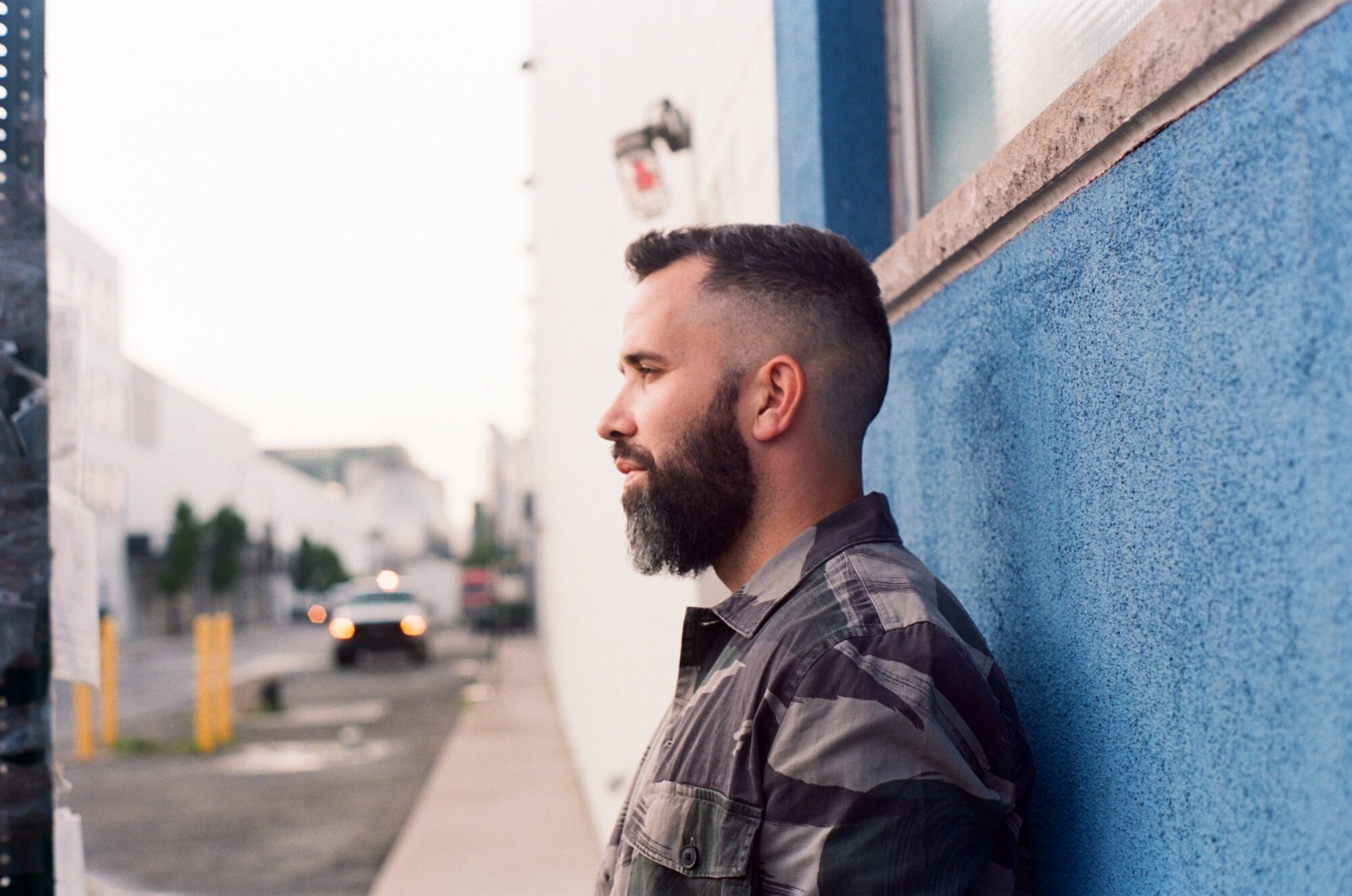
Interview By: Emily May | Photo by: Jeanne Dee
Using her music as a cultural bridge to bring people together, LA-based singer, songwriter, and multi-instrumentalist Heavenly Reyna was raised in 48 countries as her family traveled the globe and documented their adventures as travel bloggers. She began violin lessons at 23 months, piano lessons at 3 years old, started writing songs at 4, and began her travels at the age of 5. Having grown up in a musically rich environment, Heavenly was a lover of music in the womb. Raised in a trilingual household, speaking and crafting songs in English, Spanish, and Mandarin Chinese, she cultivated her musical skills throughout different cultures during her worldly travels. She has been called a “prodigy” and a “phenom”, having wowed crowds across many cultures with her incredible musical talent. Heavenly shot a lead in two movies and a pilot that was released in 2020 and sings 5 of her songs in one of the movies. She did a TED Talk, starred in the Brat series “The Talent Show”, won a Best Actress Award for her dramatic lead in the film “Rose”, was featured next to Ariana Grande in her “God Is a Woman” music video, appeared on MTV songwriting with Bebe Rexha, featured singer in Halsey’s as well as Lindsey Stirling’s documentaries, and won several film festival awards for writing/filmmaking/editing her Music Videos of her original songs. She played a lead in a TV series pilot and is working on her debut EP with Grammy-winning producer Mikal Blue. Having gone by the moniker of Mozart Dee for her childhood and young adult life, she is thrilled to now be releasing music under her name-Heavenly Reyna. She has done extensive live performances around the world at such venues as Carnegie Hall, House of Blues, Disney Hall, Six Flags, Four Seasons Hotels, Royce Hall, and Hilton Hotels and is a winner in the International Songwriting Competition and winner in the Unsigned Artist songwriting competition. Although the pandemic was hard on many in the music industry, Heavenly became a partner with Twitch TV, which has helped her to move forward with her music career despite industry restrictions over the past year and a half, as well as grow an intensely loyal fan base. With more music, music videos, and an EP on the way, Heavenly Reyna is certainly an artist to watch! You can connect with Heavenly Reyna via the following links.
WEBSITE | FACEBOOK | INSTAGRAM | TWITTER | SPOTIFY | SOUNDCLOUD | ITUNES/APPLE MUSIC | YOUTUBE | LINKED IN | TWITCH TV | TIKTOK
You have said that you were born with a love of music, learning the violin at the age of 23 months and the piano at 3. You also grew up in a trilingual home and traveled the world with your parents starting at the age of 5 and performed and sang in many different countries. What can you tell me about your childhood and how world travel and different cultural immersions have affected you personally and musically?
I have always loved music. My mom says I even kicked in time to the music when I was in the womb! Growing up trilingual and traveling the world as a digital nomad with my family was unique and wonderful, but it seemed perfectly normal to me at the time. It is all I had known. My mom went to weekly community singing sessions for pregnant women and we went to music classes when I was three months old as well as Kindermusik classes as a baby. I grew up in a very musically rich environment and loved going to concerts even as a toddler. I started learning the violin at two years old because all the kids in my neighborhood played violin and we had an amazing local teacher who taught everyone. Seeing everyone else play made me want to do it as well and I was lucky enough that the teacher let me start early a few years early. I had an innovative piano teacher as well. Sometimes it was challenging taking a piano around the world with me but we had a full digital keyboard in our small camper van. Finding child-size violins in foreign countries, shopping in different languages, and finding people that would teach online when Skype was just starting to be used was also tough. But music was important to me, even at five years old, so when we started traveling non-stop around the world, we found ways to adapt. Being around such enriching global environments and having the freedom to explore and listen to all kinds of local music definitely impacted me greatly.
You started writing songs at the age of 4 and became really serious and prolific about songwriting when you were 10. What drew you to songwriting and how do you feel it has evolved for you over the years?
My mom says I just always really liked to write and make up songs. When I was about 3 or 4 years old, I was enrolled in a Kindermusik writing music class because I was really interested in creating music. That taught me some basics really early on. I really didn't like rote learning that is typical with classical piano training, so I studied with a jazz piano teacher whose method helped me get to know chords and expand on the basics of creating music. That was my passion even as a little kid. I got even more passionate about creating music and writing songs around 10 years old. I was living in Asia where I did a lot of karaoke, and I joined a choir at my local Chinese school. When I was 13, I was accepted to the same music school program that trained Demi Lovato and Selena Gomez in Dallas. There I worked with many songwriting teachers who helped teach me the craft of songwriting and song creation. I was also lucky enough to have many opportunities to perform in some amazing venues. From that point on, I’ve really just learned by doing. I’ve worked with some amazing professionals in L.A. and around the world and I am thrilled that some of my songs are in movies and on TV. I have more than 100 unreleased songs, and I just keep creating!
From 1st-4th grade, you traveled around Europe with your parents for 7 months out of each year and lived in a village in Spain for the other 3 months. What can you tell me about that time for you and how did spending so much time in Spain help you to connect with your Spanish roots?
I love, love, love Spain and I am really grateful that I was able to spend so much time there growing up. I would not have such a deep connection to my Hispanic heritage, language, and culture if I had not grown up there, going to school in a local Andalusian village. My roots are there and also Barcelona, where I spent much time every summer. Flamenco dancing starting at five years old and participating in all the amazing community and cultural holidays and events that the whole village participates in really became ingrained in my consciousness on so many levels. I went back when I did my 10-city European tour, and it was as if time stood still and I never left. That village girl, and that village life, lives within me no matter where I am, and I think you can hear it when I sing in Spanish!
At the age of 12, you and your family moved back to the US when you were presented with the opportunity to star in your own tv show about travel, leading you all to travel more around the country to get to know your home country better. What was that experience like for you and having been abroad for so many years, what was it like for you to travel around and become familiar with the US? Was it easy to adjust?
I think I adjusted fairly quickly as we stopped every two years in our travels to stay at my grandma’s house in California. I had stayed connected to those friends even as I traveled. With the internet, I could stay connected with various friends around the world even when I was traveling in another country. I love traveling and exploring new places, be it another country or across the U.S. Some of it was a cultural shock, but I adapt quickly to new environments, and it was wonderful to travel all over the U.S. and finally see it. I was almost 13 when I traveled across the U.S. and had been living in Malaysia before we returned. SE Asia is a very different lifestyle and environment, but I think it was the perfect age for me to explore my home country.
Aside from singing, you also act. What led you into acting and what can you tell me about the films you have been in and what you enjoy about acting? What was it like for you to win a best actress award for your role in 'Rose', as well as getting to feature 5 of your songs in 'Fame At A Deadly Cost'?
I fell into acting by accident. My first acting job was for a Japanese TV show. I met the producer and film crew in Croatia, and they asked me to be a part of the show. Then, when I was performing my song “Ashes” on the violin at a GRAMMY night gala, a casting director saw me. She was casting the movie Rose, where the lead was a teen who is a violin prodigy. She and the director ended up casting me in the role which I ended up winning an award for! That was definitely when the “acting bug” bit me. I really enjoy acting and really love doing films. I love that acting and songwriting are collaborative efforts. It is hard sometimes to juggle both careers, as they both take a tremendous amount of time and effort, but I do love them both. I also love when I can combine both like I did in Fame at a Deadly Cost. I had the best director, cast, and crew, and they ended up using five of my original songs!
You recently were made partner at Twitch Music. With the music industry having been so devastated during the pandemic, what can you tell me about your partnership with Twitch and finding ways to move forward with your music despite the restrictions? How have you utilized an online presence to grow your career and gain a loyal fan base?
I absolutely adore Twitch and my community there! The music industry and the film/TV industry were devastated because of the pandemic, like so many other industries. It was very hard for me because I live with my parents who are high risk, so I felt very isolated and sad that I wasn’t able to connect with friends or perform. Finding Twitch really was a lifesaver! It is really hard work, with really long hours where I’m singing. It is very tech-heavy to get started and I had a lot of challenges in the beginning, but I stuck with it. I started going viral on it and just broke over 2 million channel views, which is crazy. I have found the most amazing, supporting community and friends there. I've also been working with producers around the world from my tiny bedroom studio, so that has me stretched thin, but I am grateful to have found new ways to connect to the world and create and perform music. Twitch allows me to be my quirky self and I love the chat because I can connect with people in real-time.
Having performed live many times throughout your life, what was it like for you to adapt to livestreaming instead?
Livestreaming music is so different from performing live in many ways. I didn't really like livestreaming at first, but I had only tried it a few times on Instagram. The pandemic made me push past that resistance and try Twitch. I didn’t really have any real equipment when I started, just my mac webcam. I kept trying and met some really generous people on Twitch who believed in me and helped me. Now, I have so many deep bonds with my Twitch family, and I think I like livestreaming more than any other way of performing – or at least as much as performing in person! There is a special intimacy to connect virtually, partly because of the chat aspect and partly because the audience chooses the song choices. Sometimes mistakes are part of her performance – especially with “live learns” - and I’m a perfectionist, so that was hard for me at first. Being live for many hours, five times a week, and learning new songs in many new genres, will lead to mistakes. I think making mistakes in public and still being supported by my audience has been very healing for me. Performing on a livestream is very vulnerable in many ways and long hours can be a challenge vocally, especially when you can’t rehearse everything, but that spontaneous and close connection makes it very special.
What can you tell me about your new show Dark Springs that you created on Tik Tok with 3-time Emmy winner Bernie Su? How did you meet Bernie and come to work with him?
I met Bernie when I auditioned for his award-winning Twitch show "Artificial." I got called back, but ultimately didn’t end up getting that job – but Bernie and I hit it off, stayed in touch, and then co-created Dark Springs! Right now, Dark Springs is on hiatus, but it was so much fun making it as it’s completely interactive.
You have also received acclaim for your music videos! How would you describe your process in creating your music videos and what inspires your approach to and ideas for them?
Yes, I have! It’s really exciting because I do them on no budget, don’t have much experience as a director, or have really had professional filming equipment! Like my songs, my music videos just pop in my head and then I have to figure out how I can do what I want to do with no money! That is the biggest challenge.
You recently released your new acoustic single "EXIT." What can you tell me about the song, as well as it being your first single released under your birth name? What led you to decide to stop performing as Mozart and start performing as Heavenly Reyna?
“EXIT” is a quirky breakup ballad that compares a traffic jam to the moment in a relationship where you realize it is not going anywhere in a cathartic and empowering way. My Twitch audience loves the song and urged me to release it. I had always wanted to use my real name, rather than my nickname, but “Mozart” was used to protect my identity when I was younger as I have been a public person since the age of five. Now that I am older, I am thrilled to be going by my real name Heavenly Reyna - it feels so right!
What has the experience been like for you to work with Grammy-winning producer Mikal Blue on your upcoming EP? What can your fans expect from the EP?
I really love working with Mikal Blue! He is a very talented and supportive artist and producer. I think my fans will love my upcoming singles as I’ve been very busy and have a lot of songs I want to release, but I’d love to work on releasing the EP in the near future as well!
What's next for you?
The next step is creating the produced, official version of “EXIT” and doing the proper music video. I have some big surprises in store and already have the next two songs ready to go!

In Focus: Epic Mic Shots
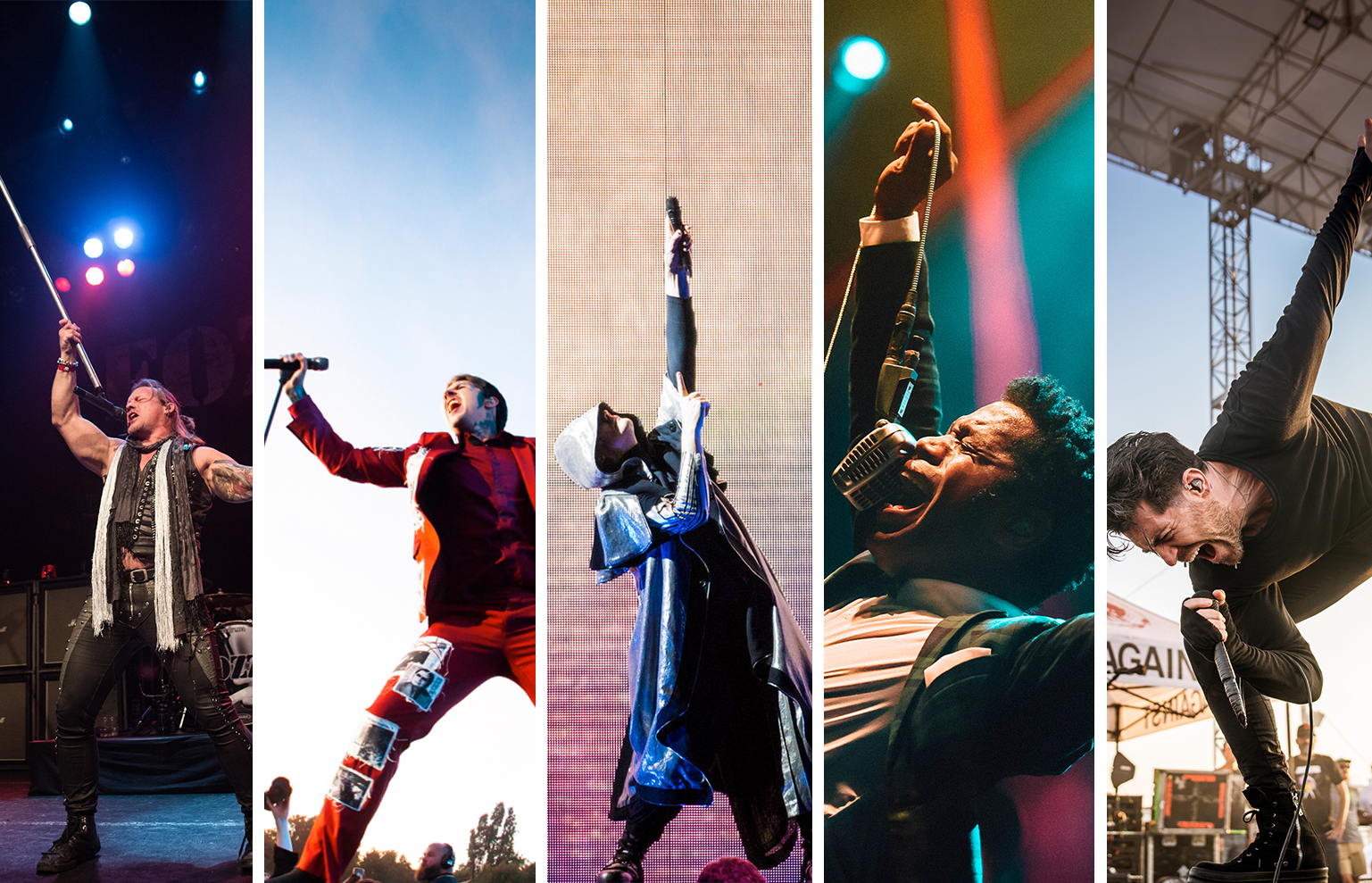
Cover photos by (left to right): Ana Santos, Gili Dailes, Annie Lesser, Jordan Hefler, Ana Santos
In Focus is a Photo Ladies collaborative photo series that showcases our members’ favorite photos, focusing on a different theme each month.
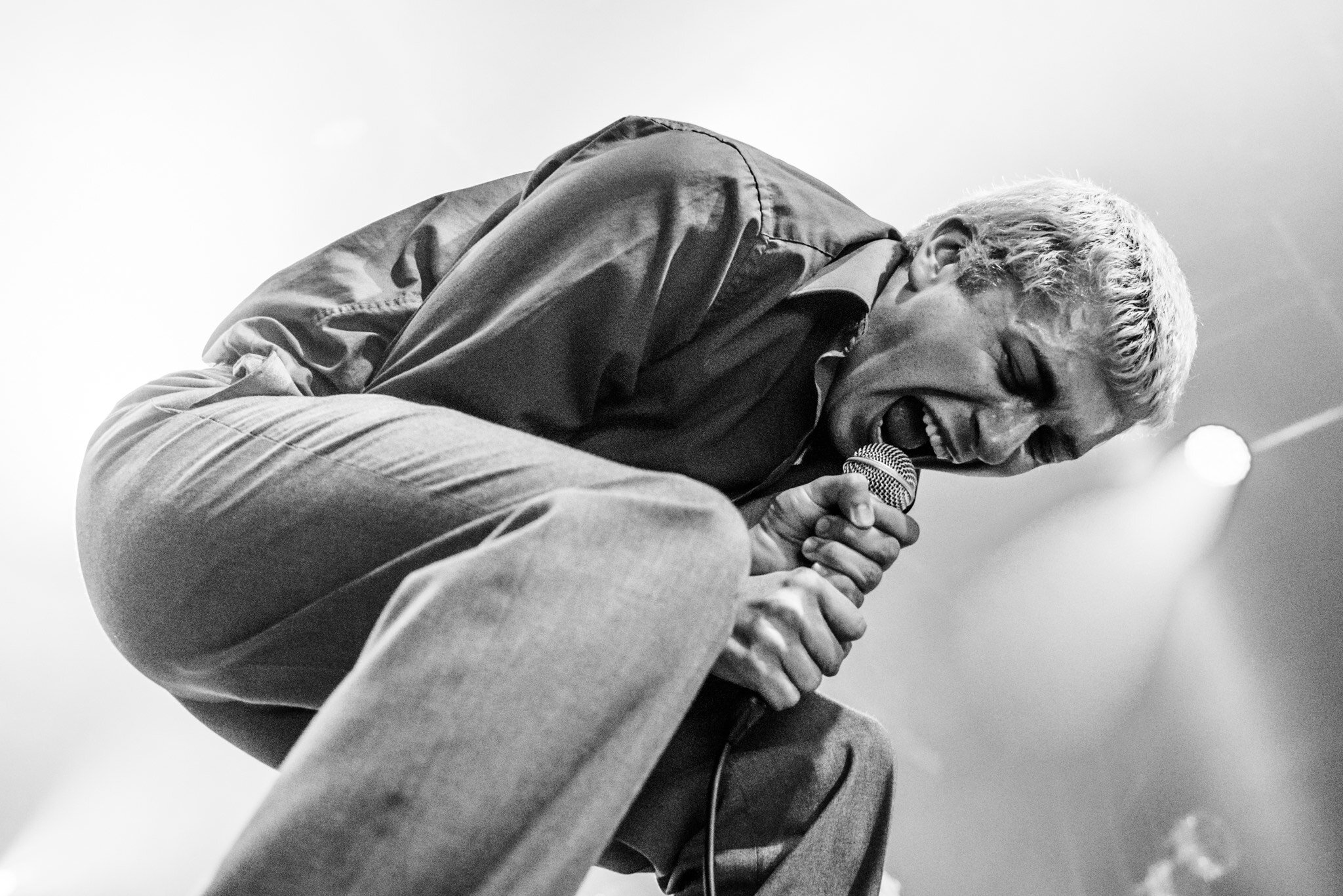
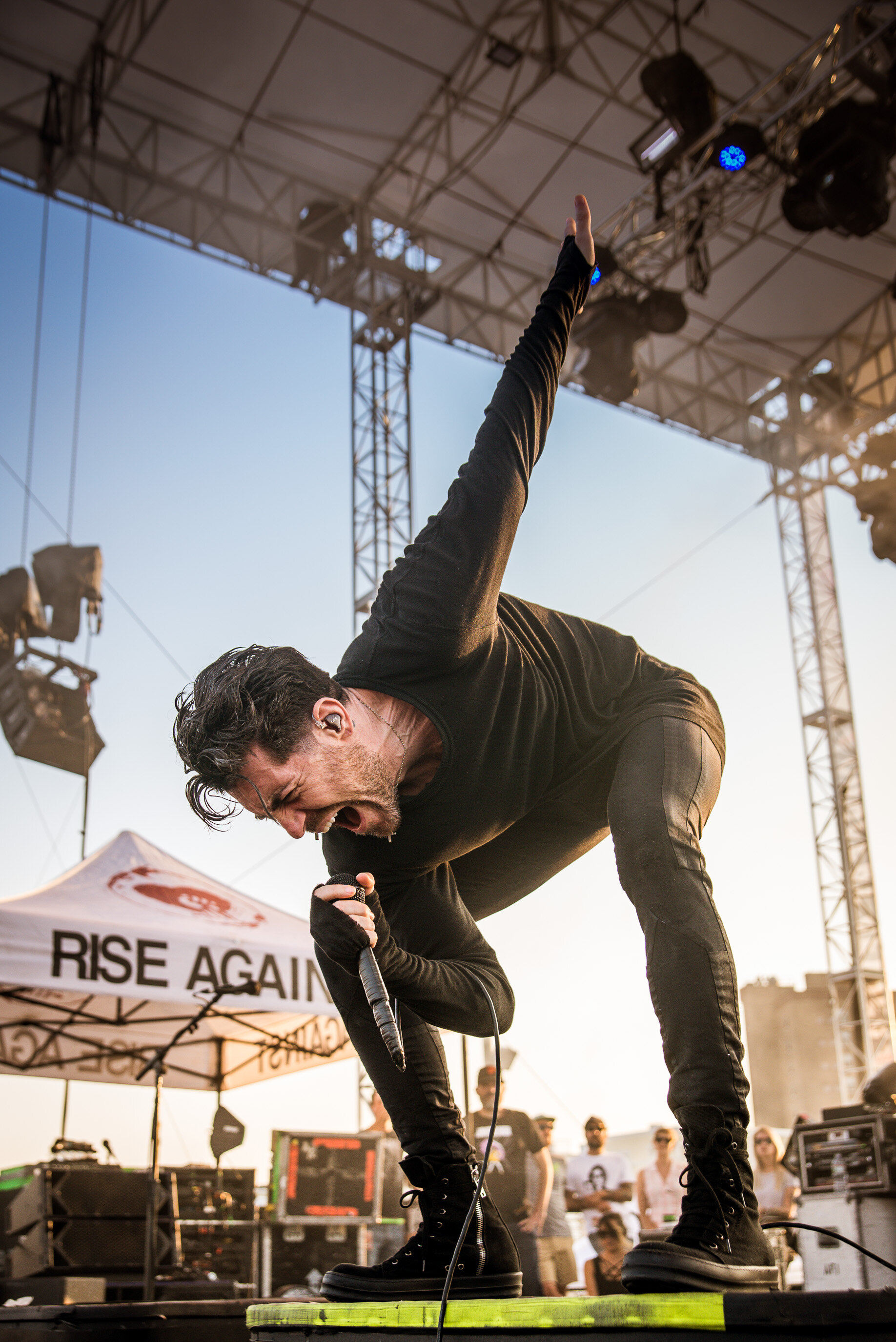
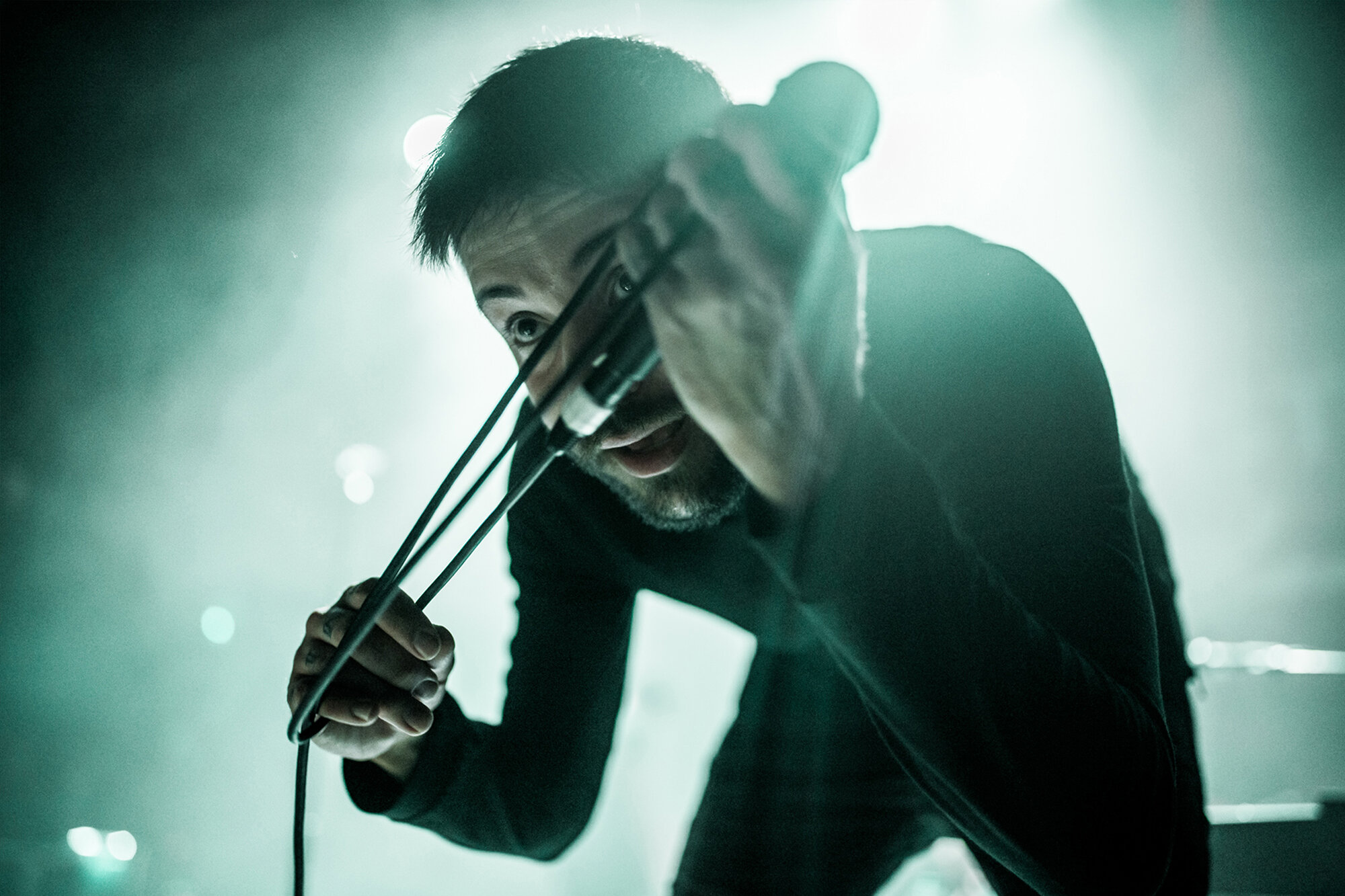
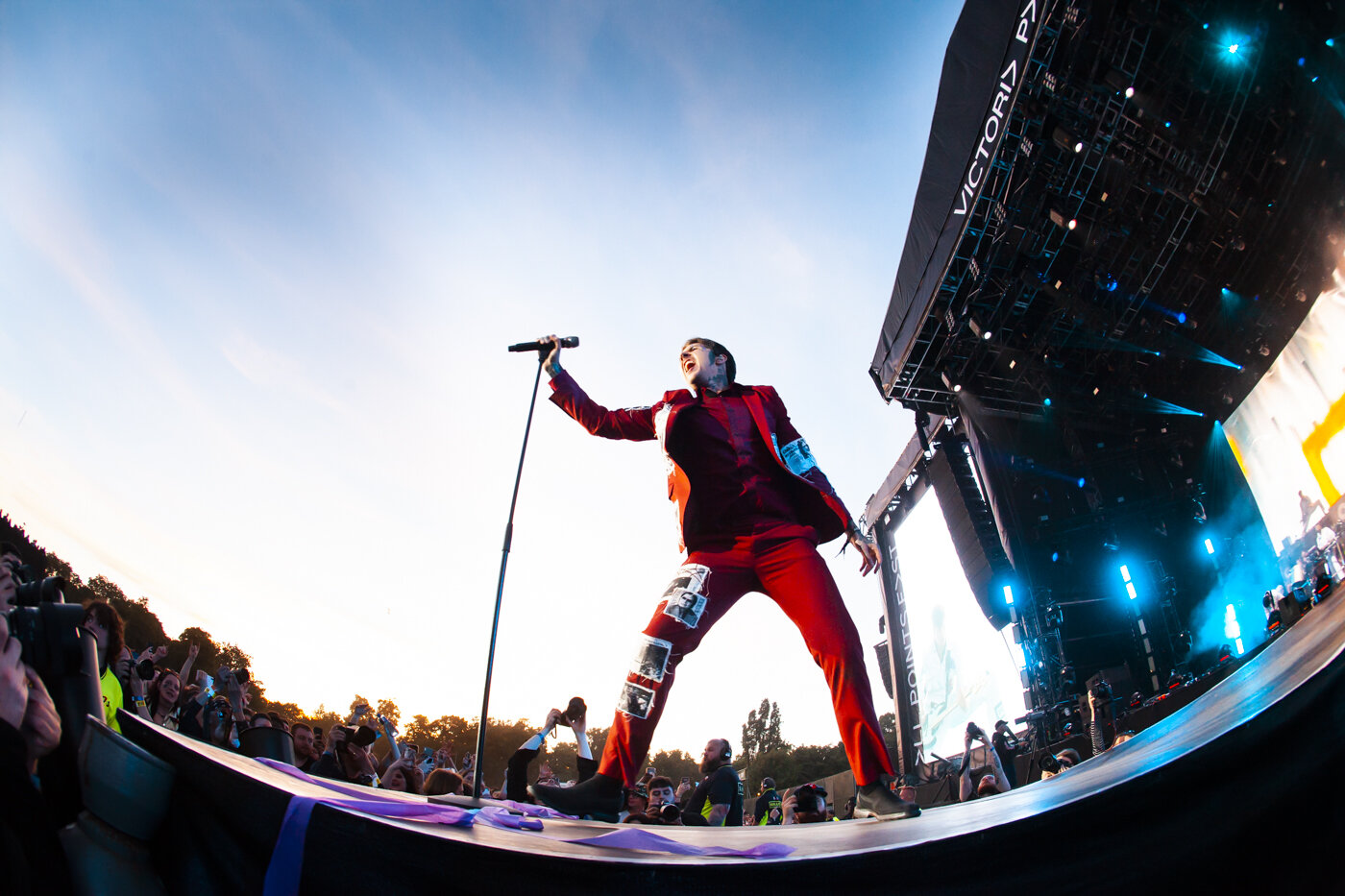
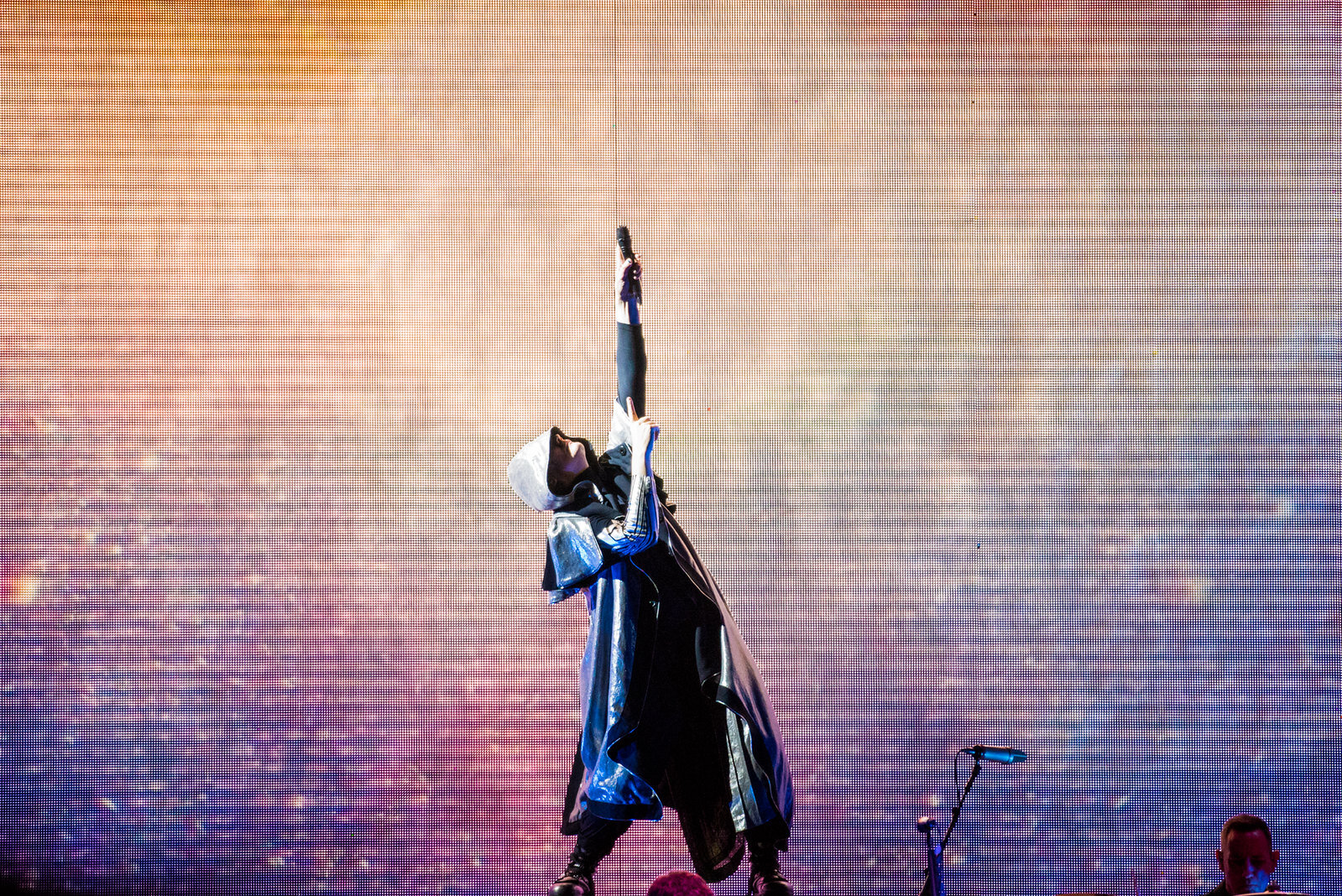
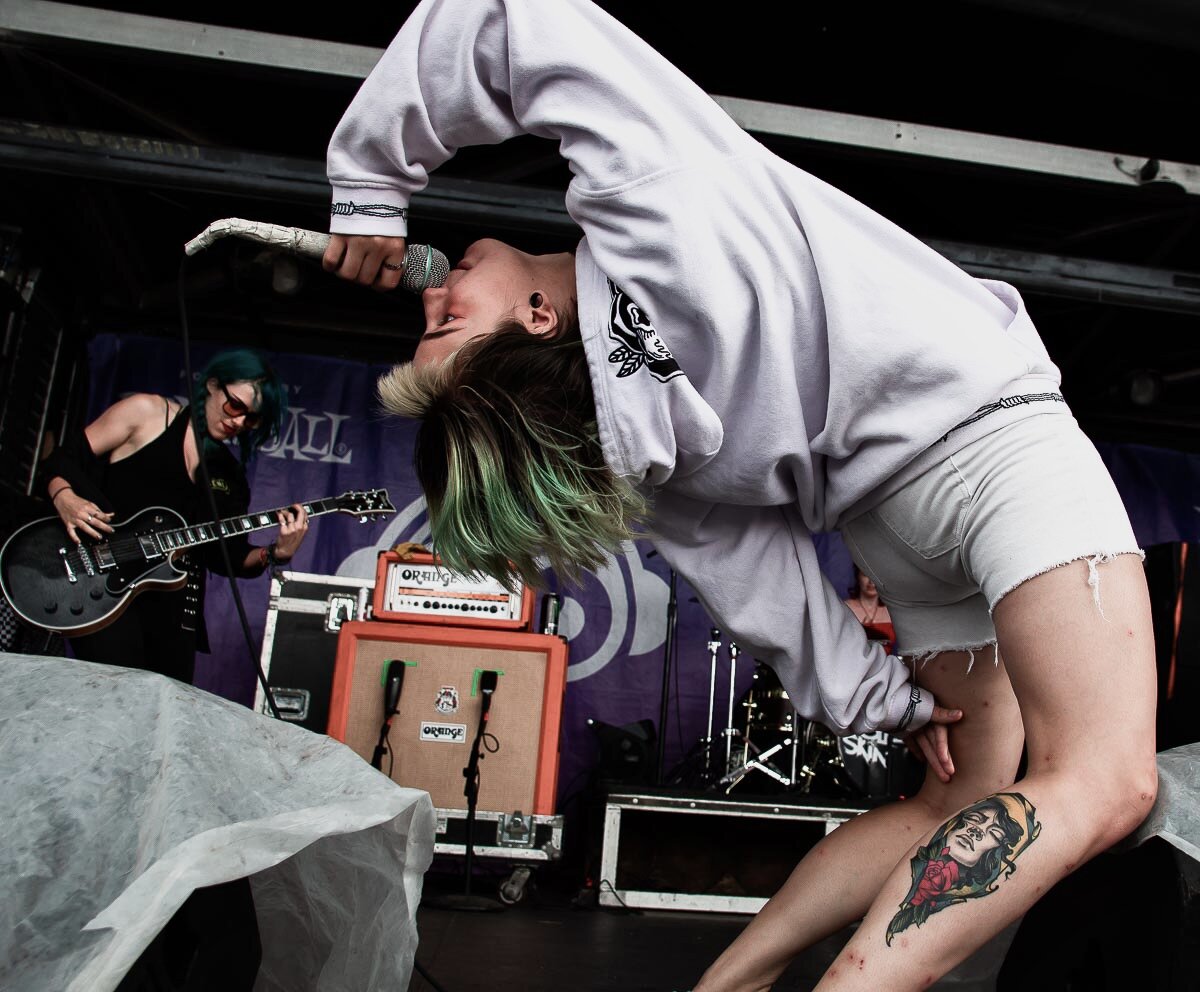
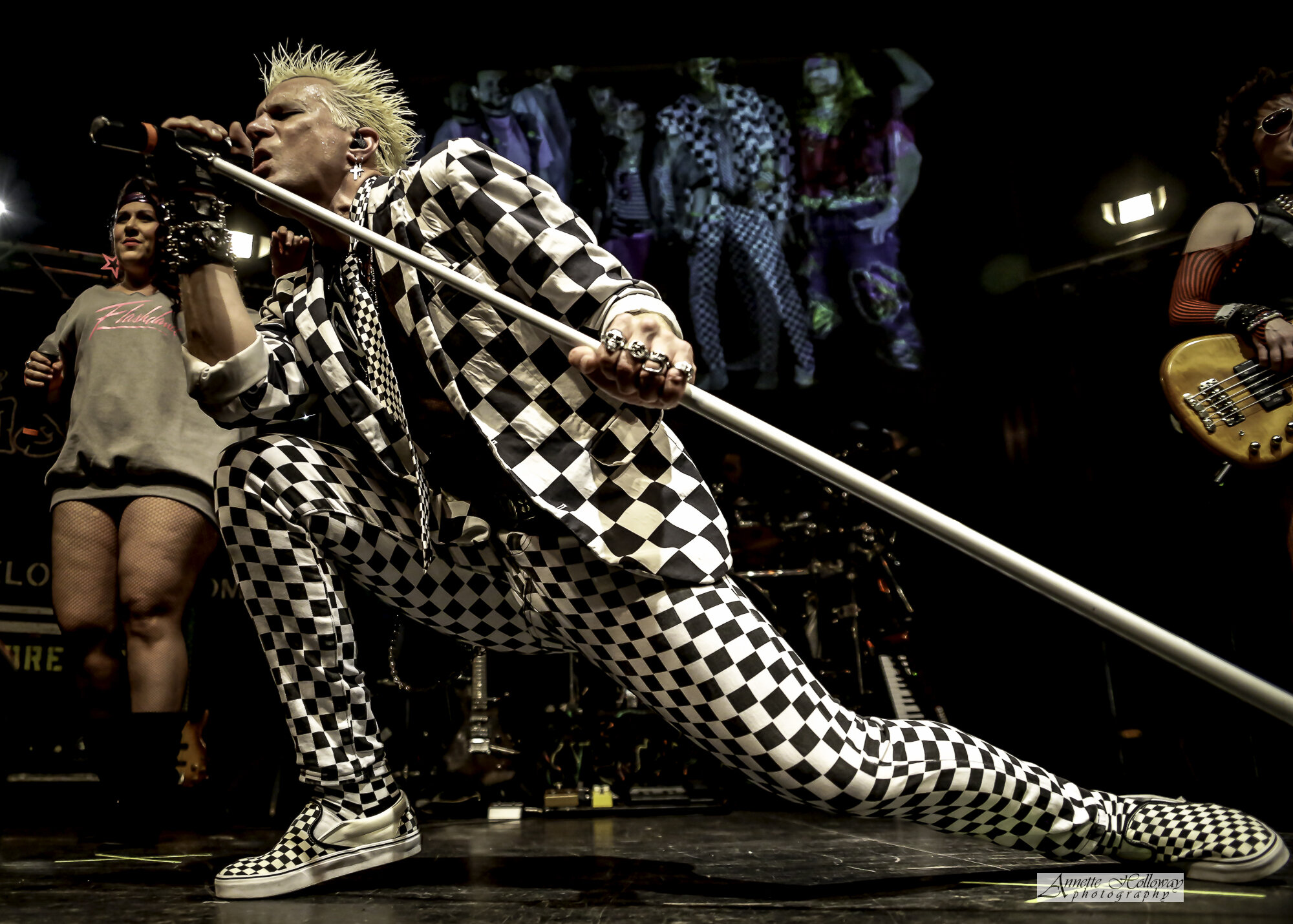
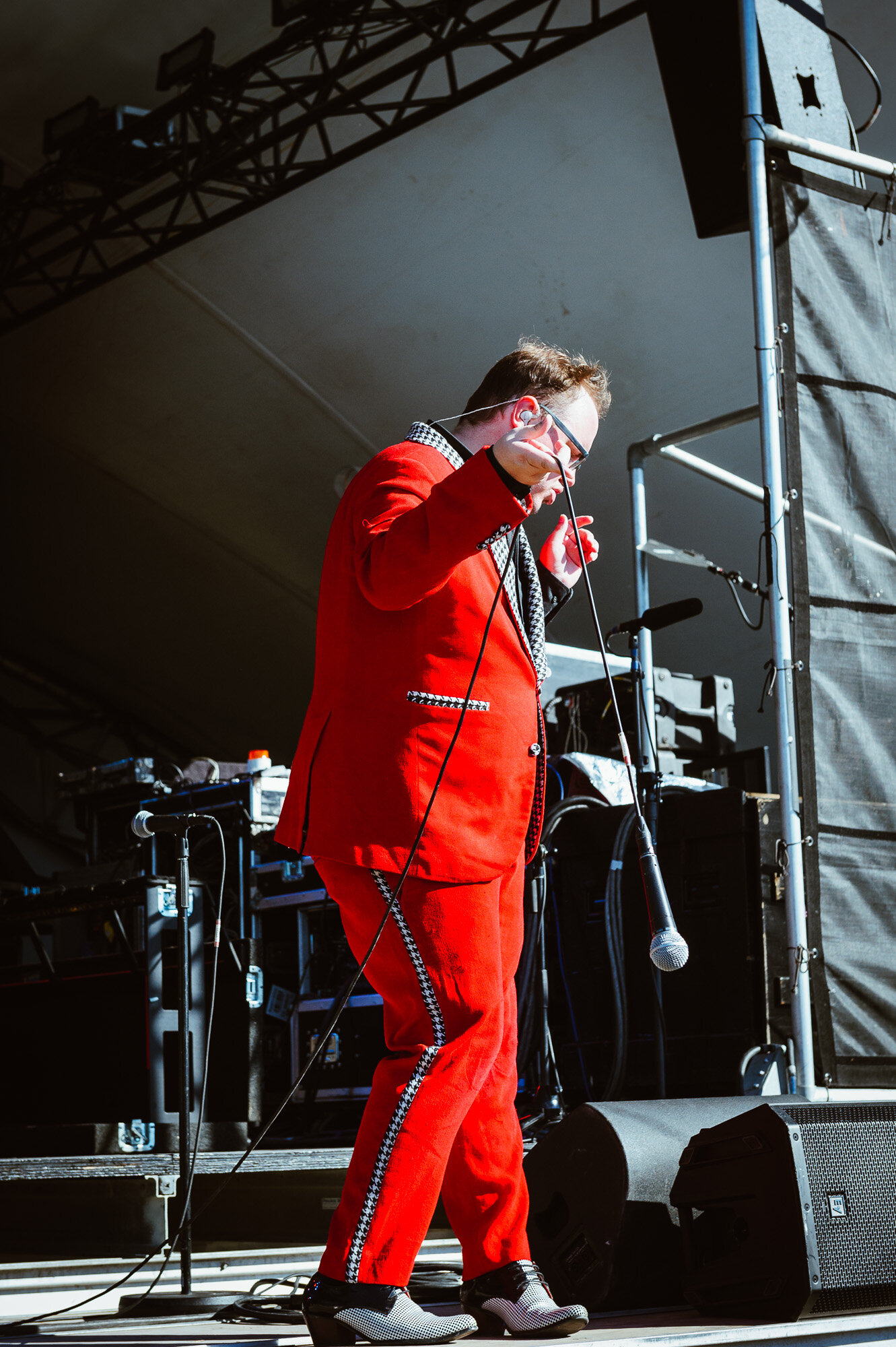
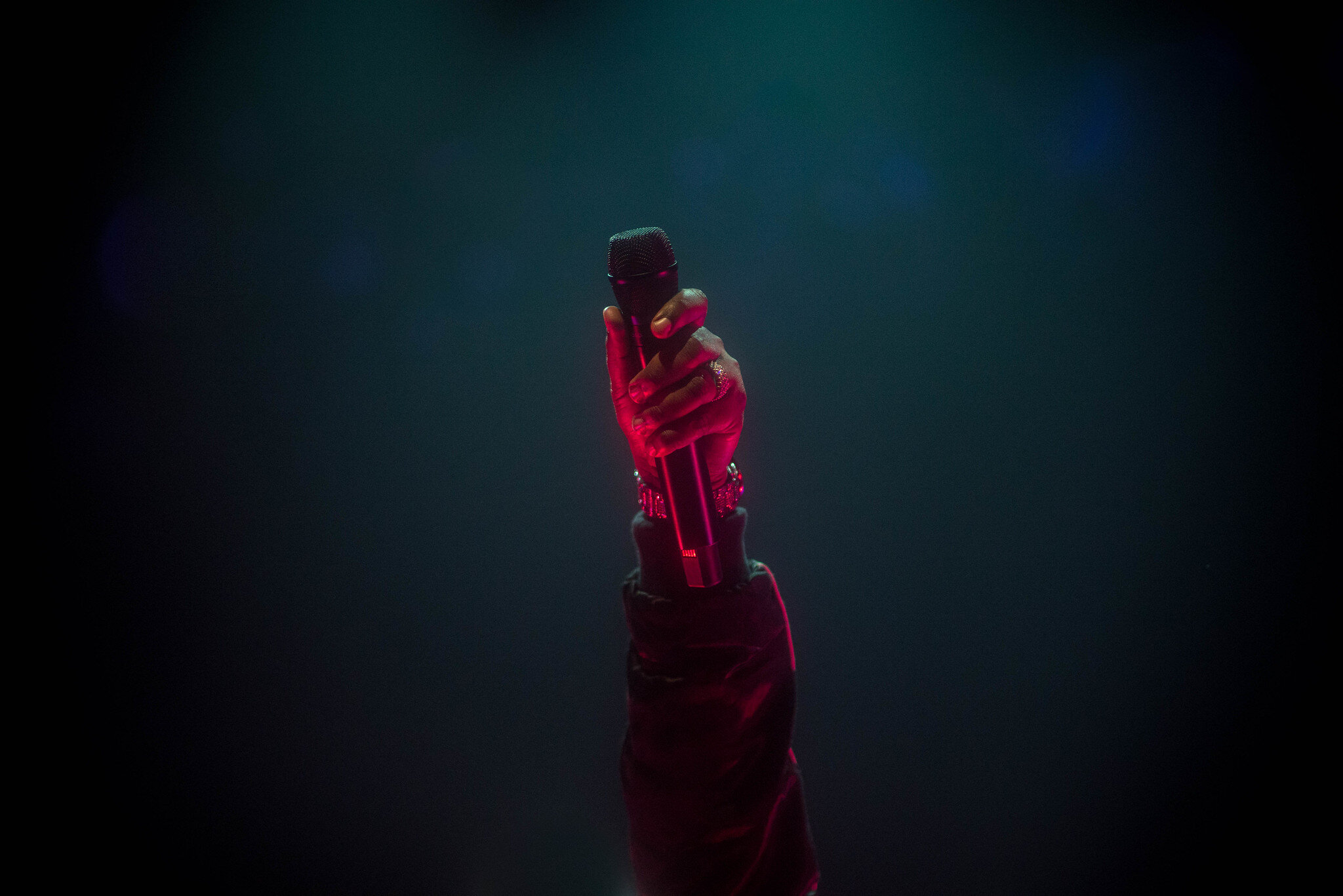
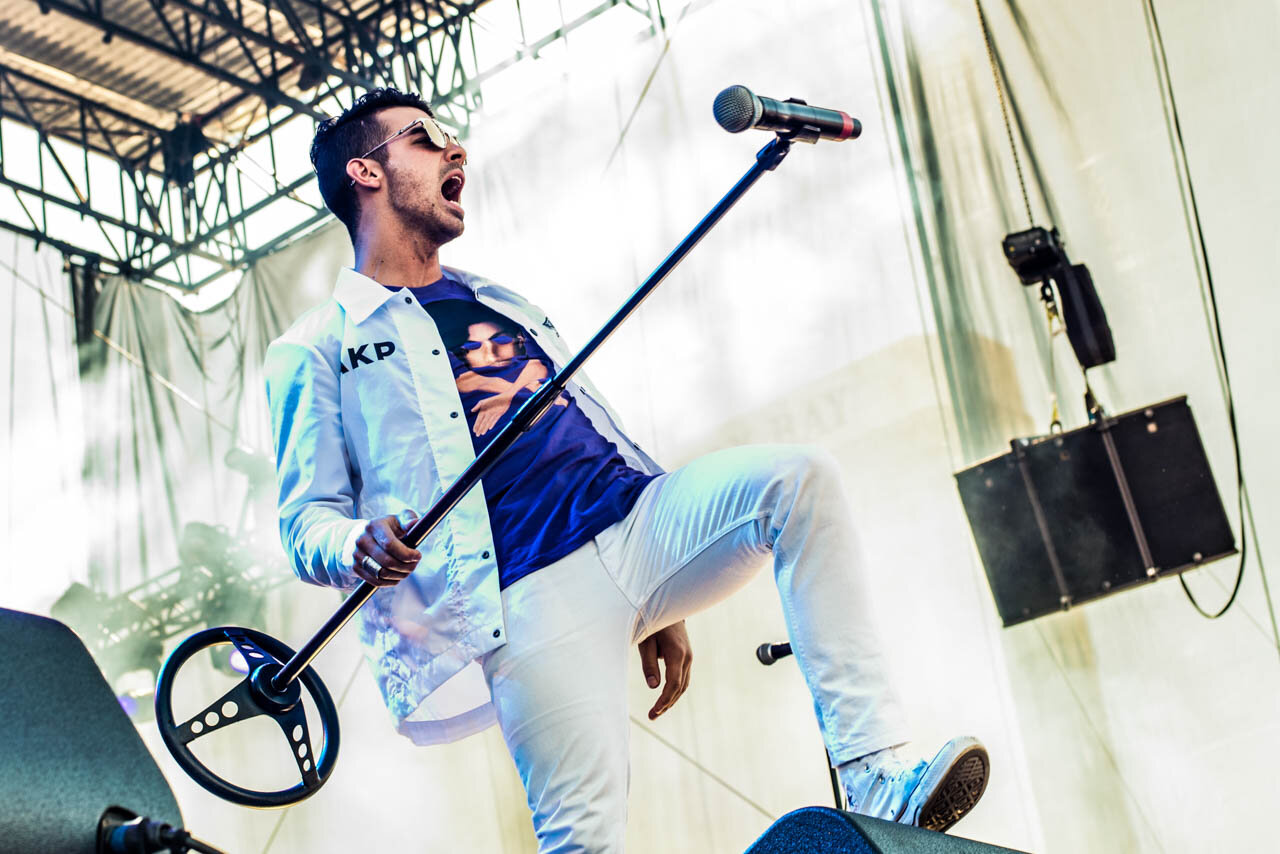
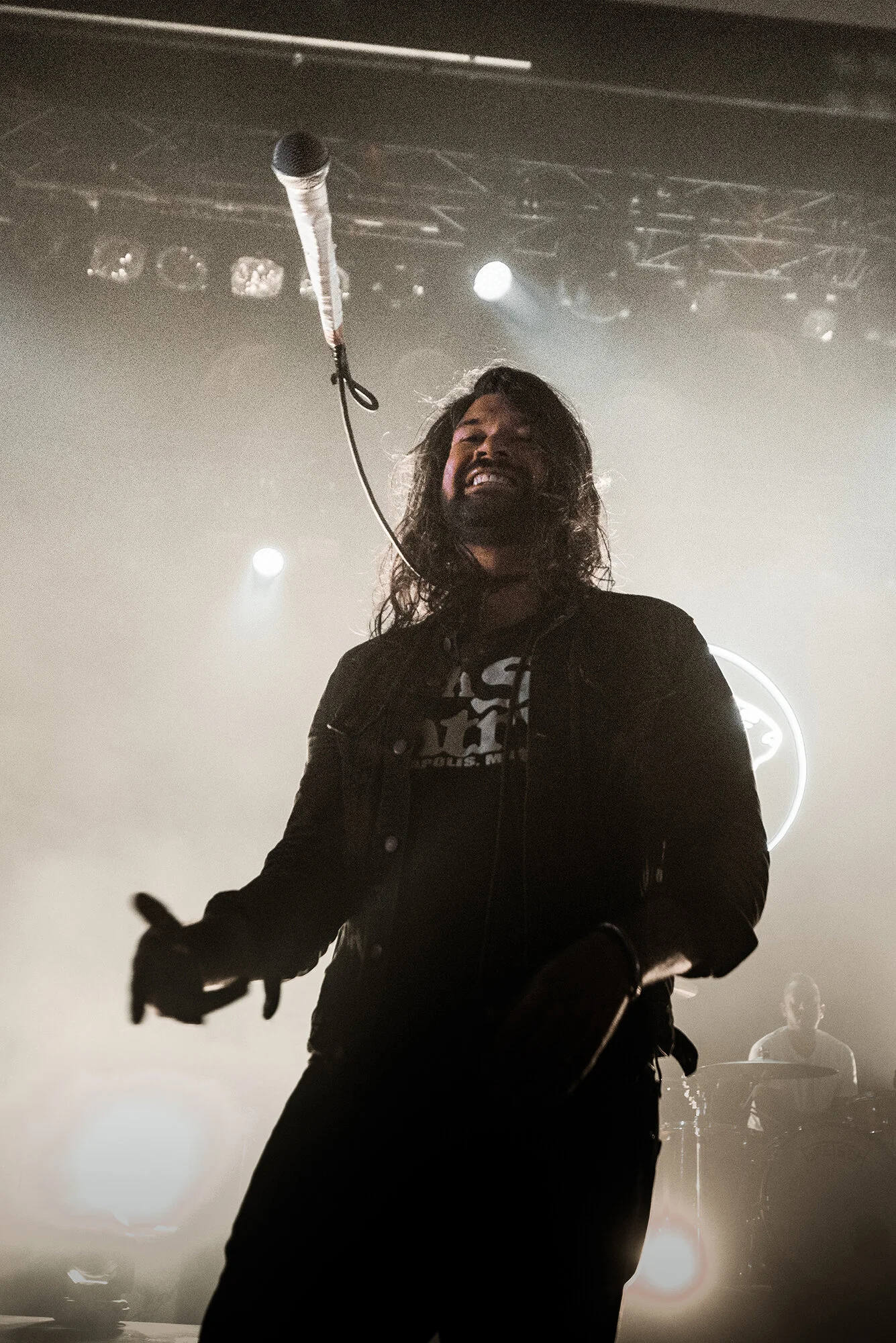
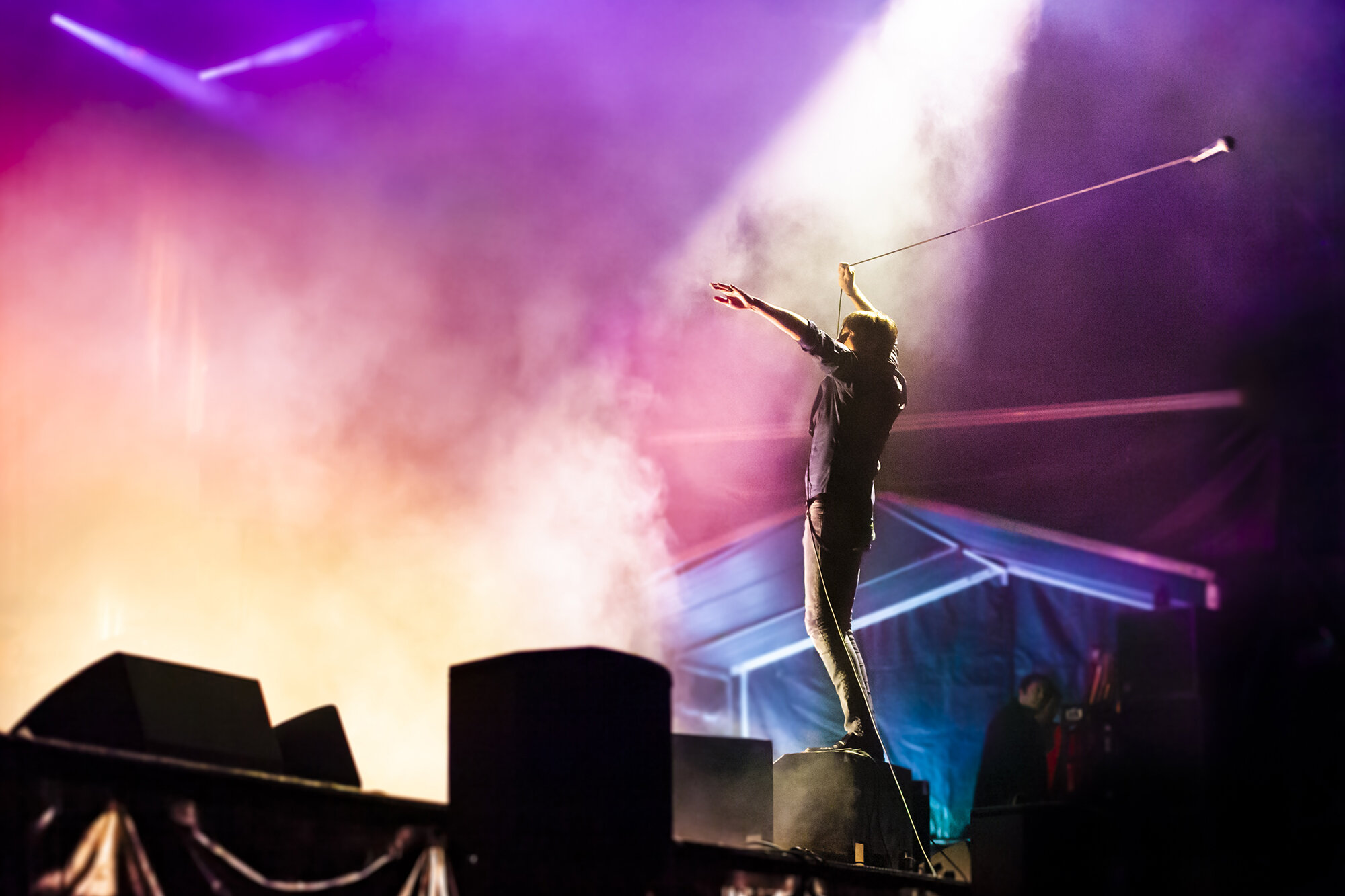
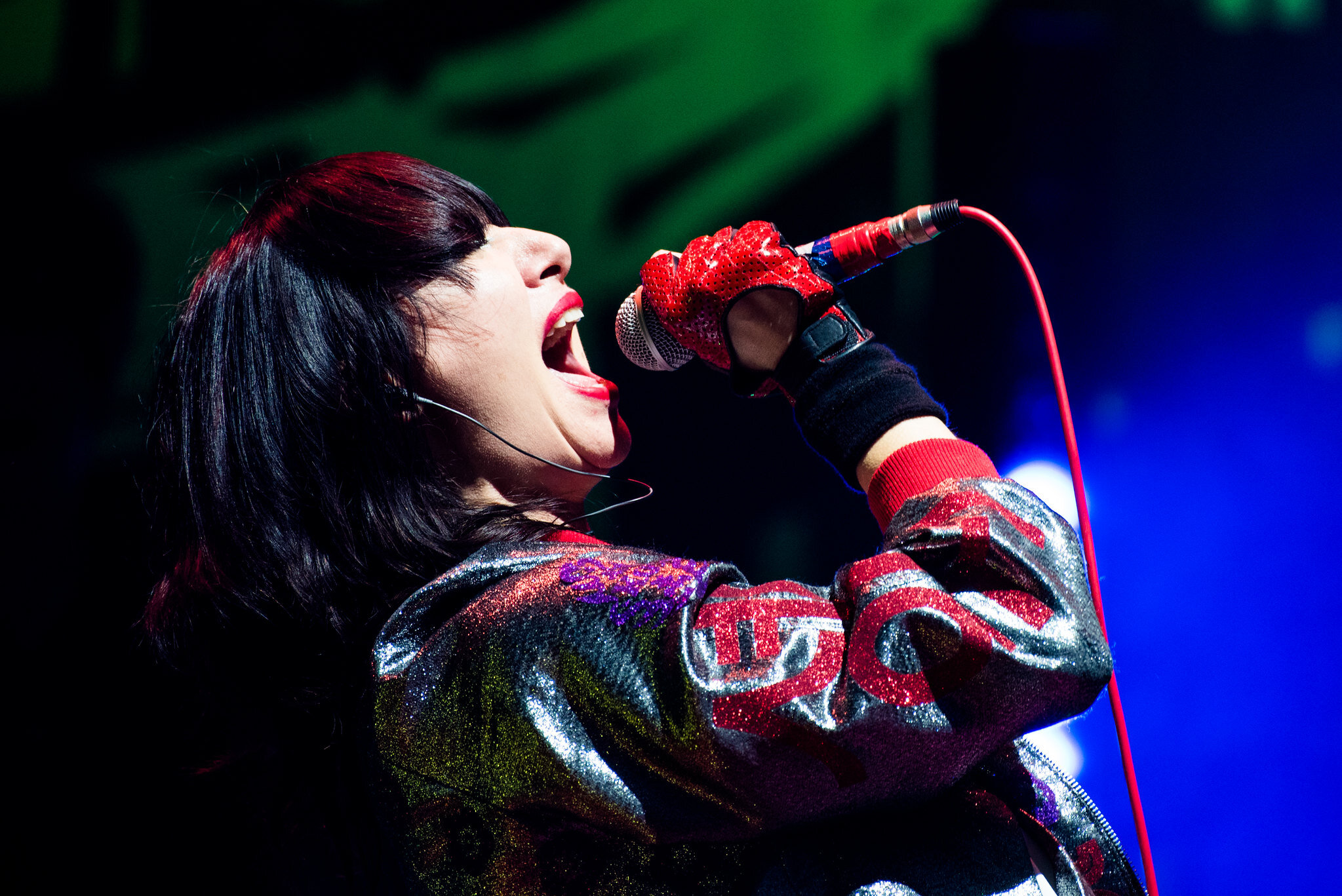
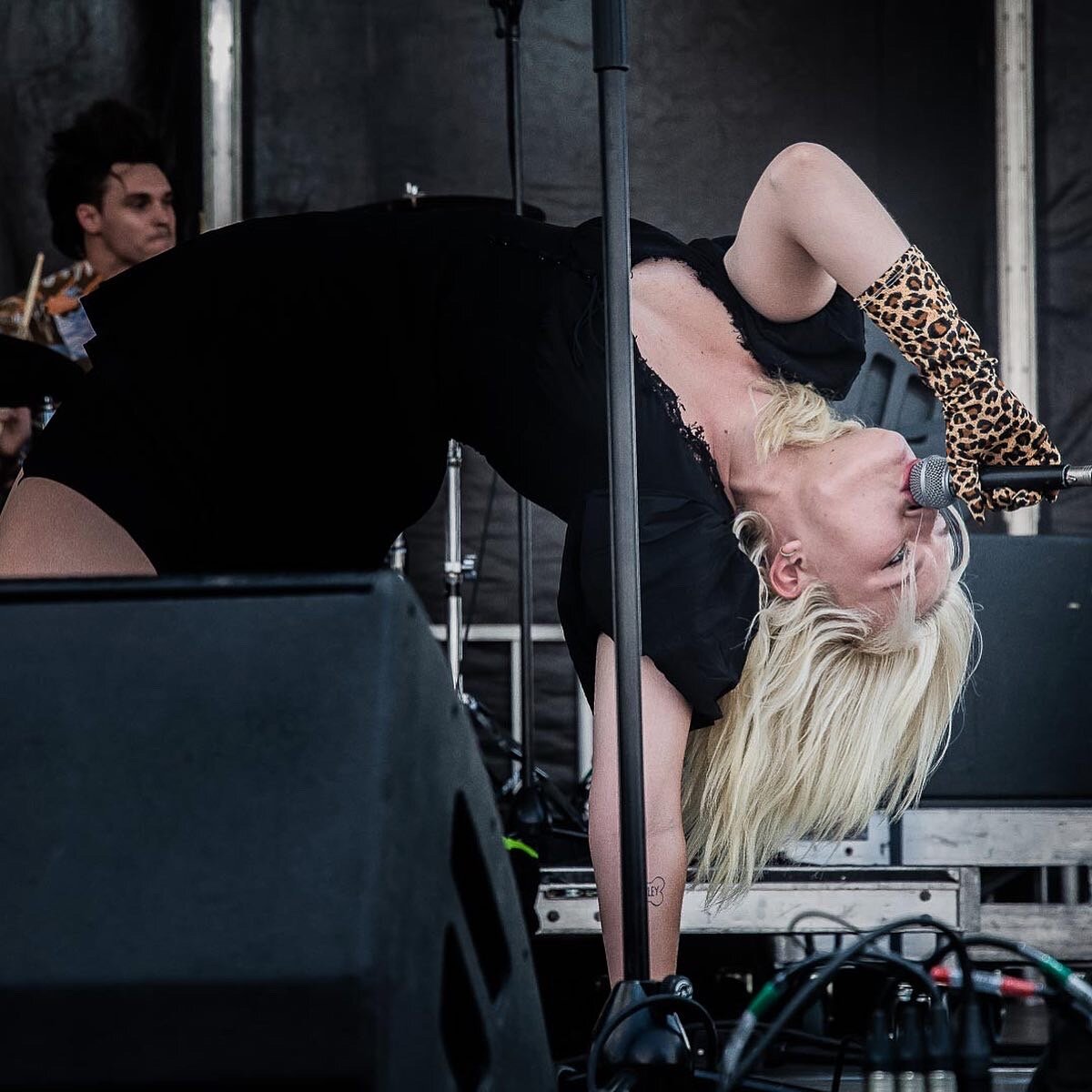
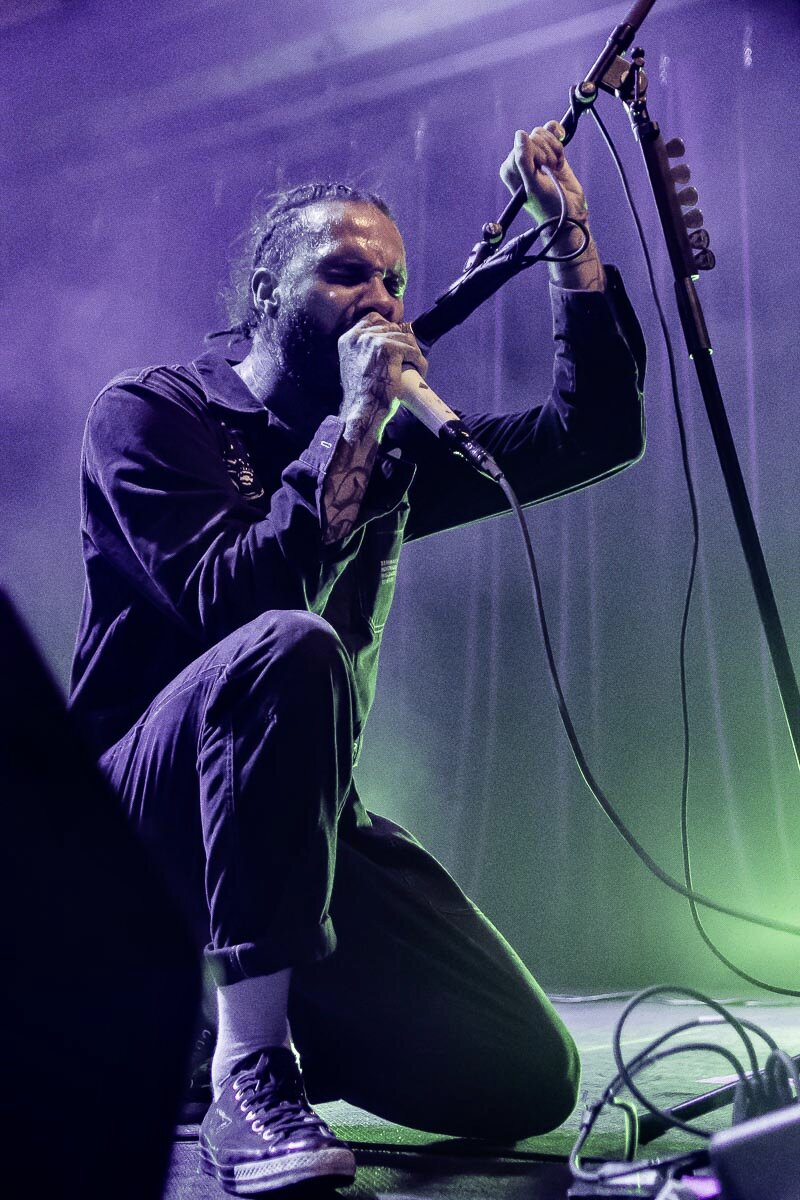
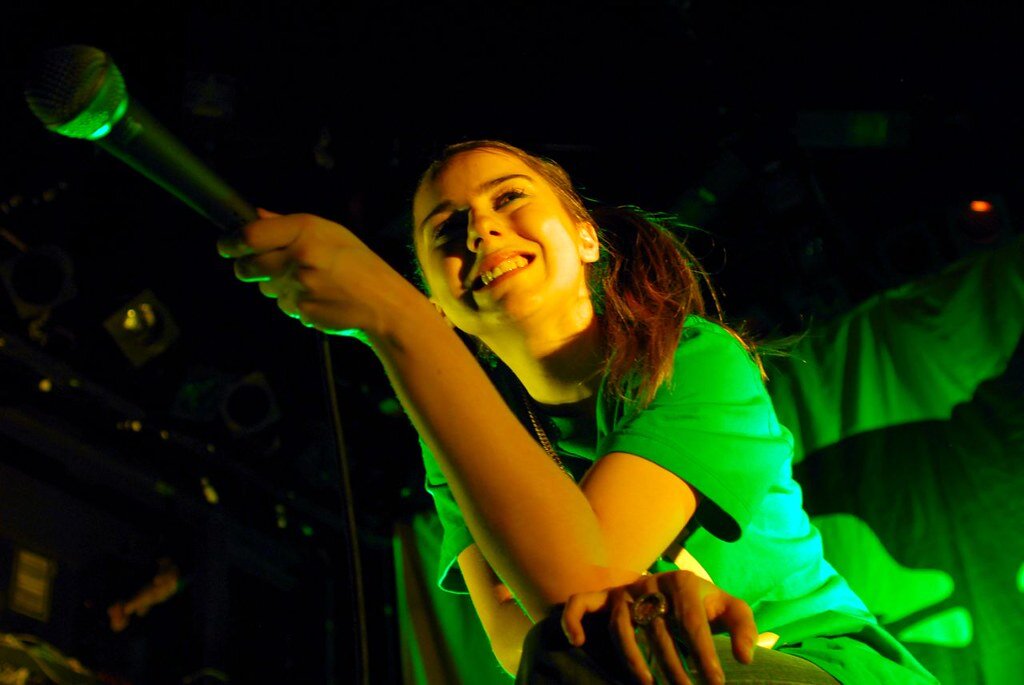
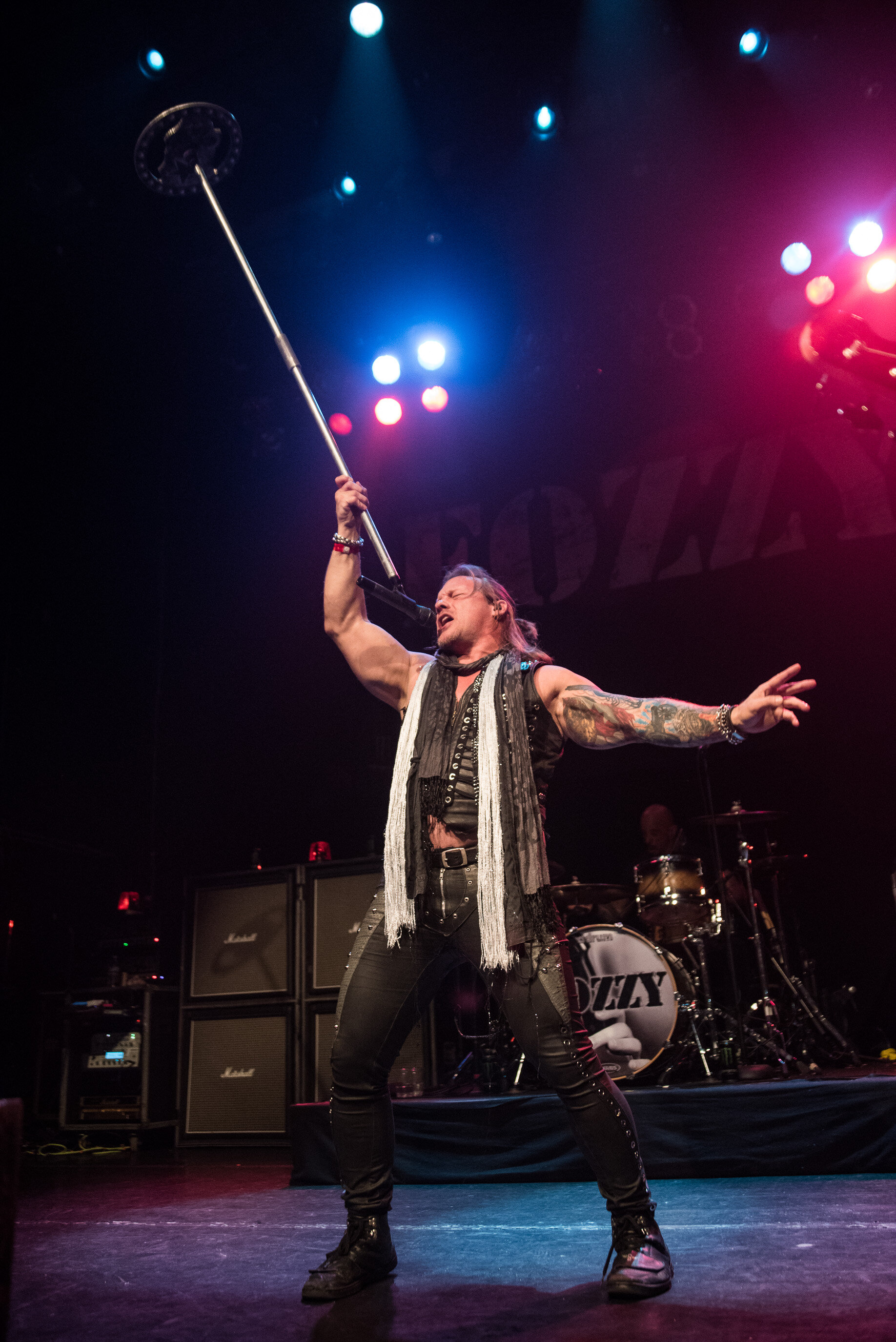
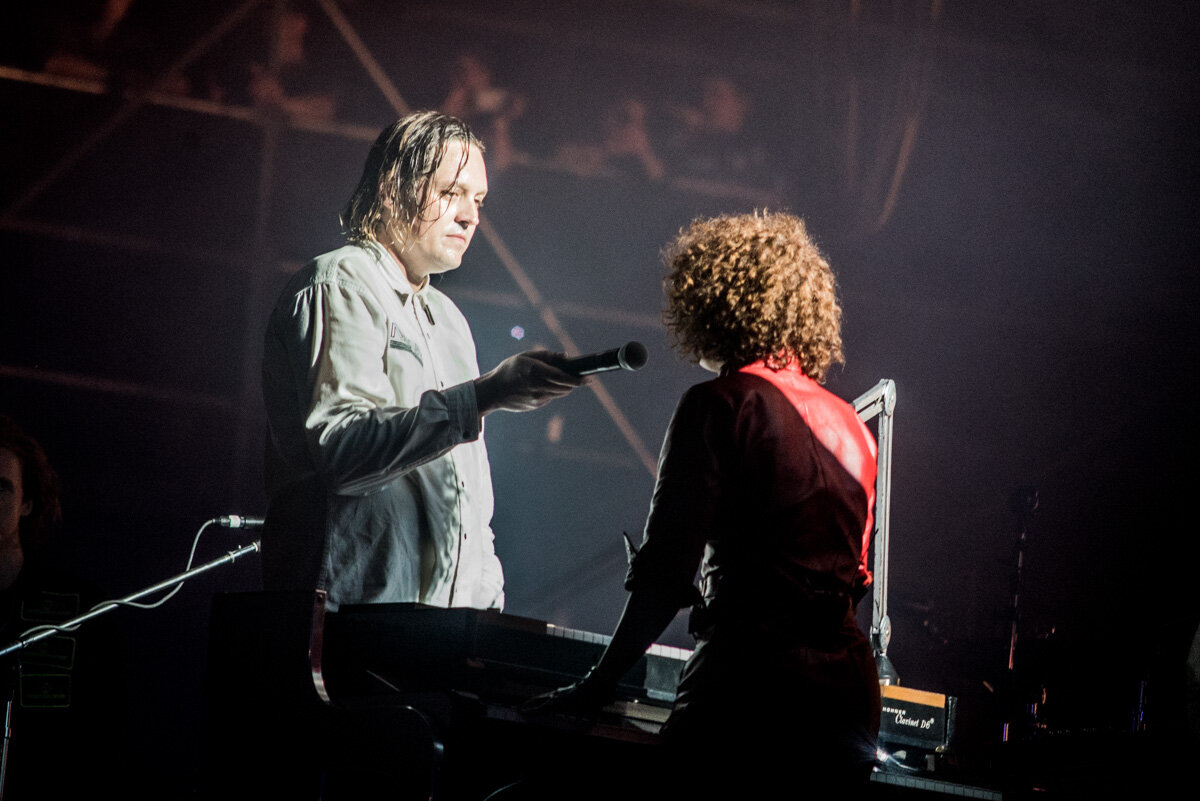
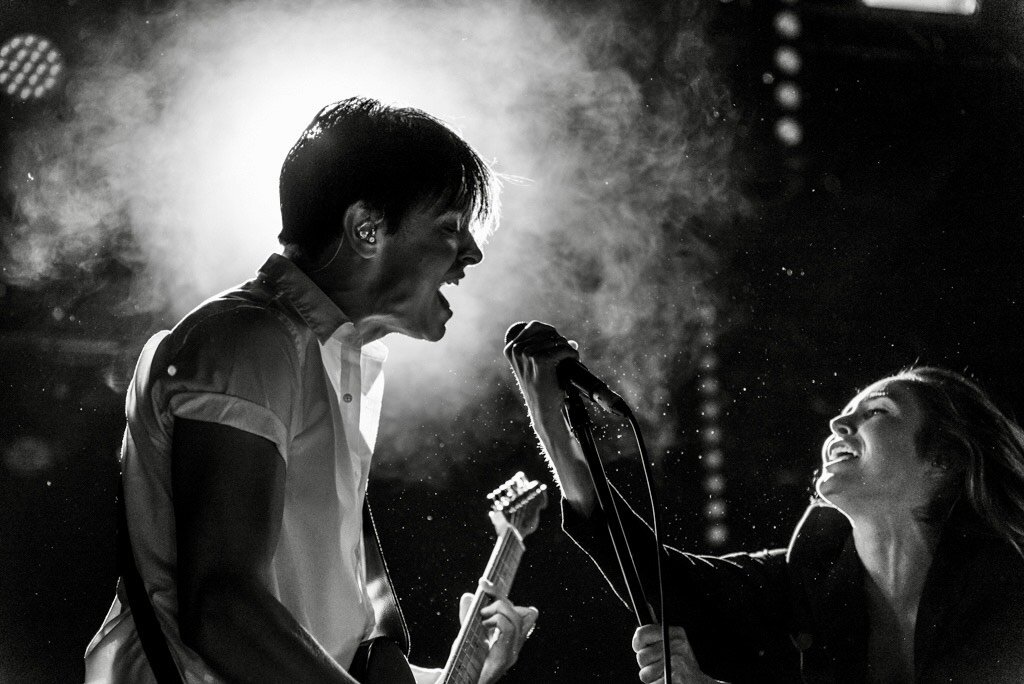
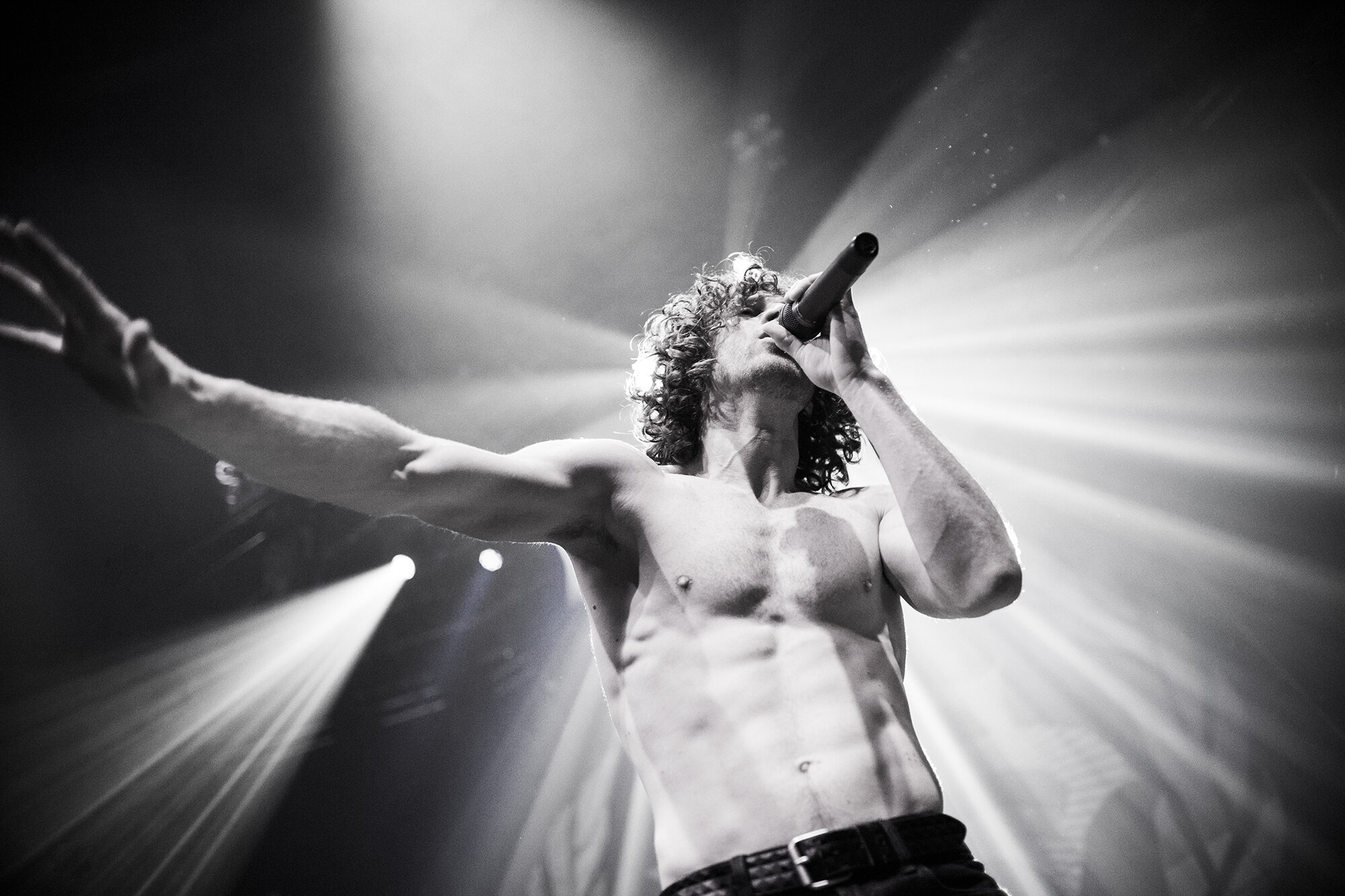
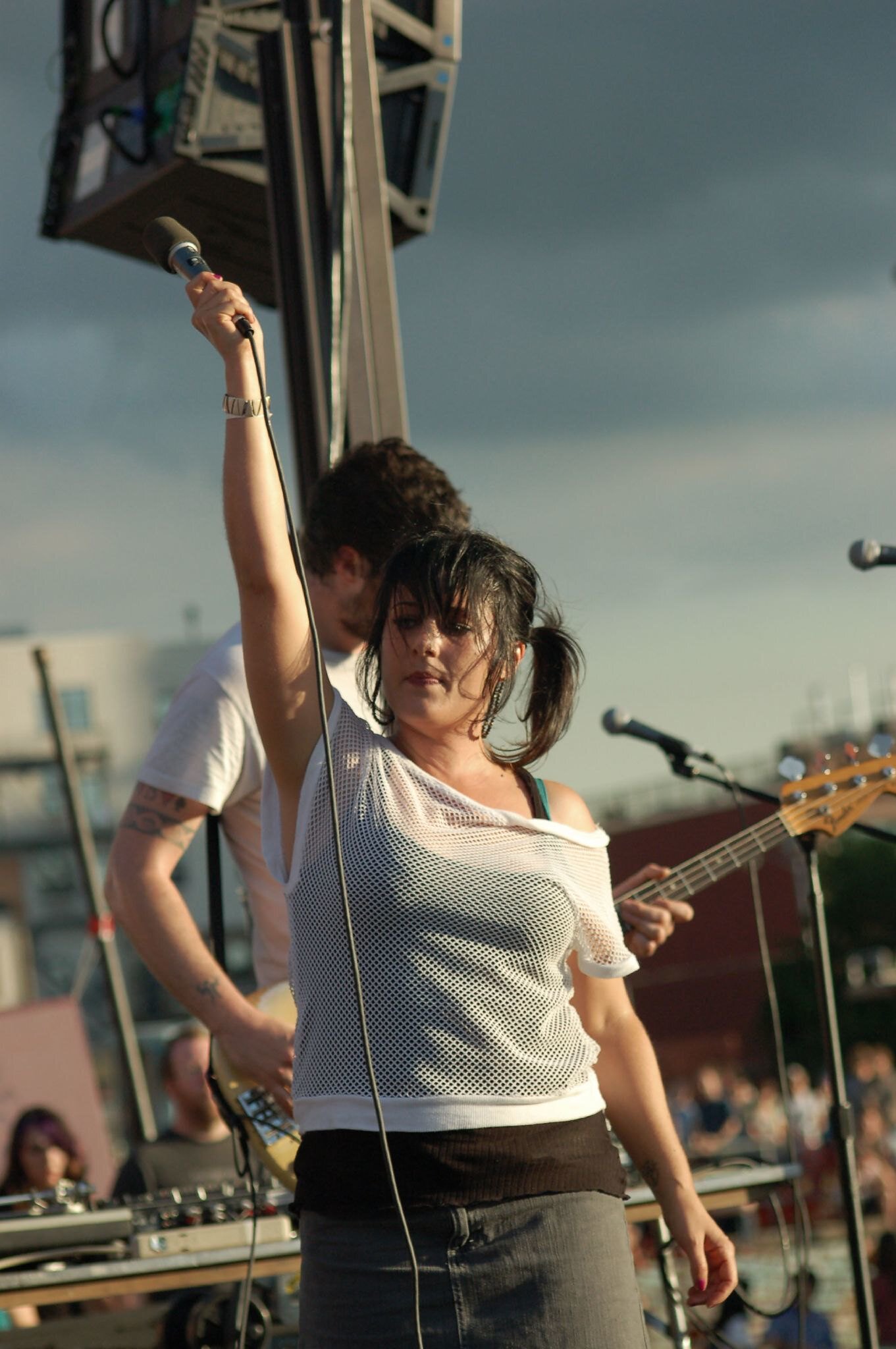
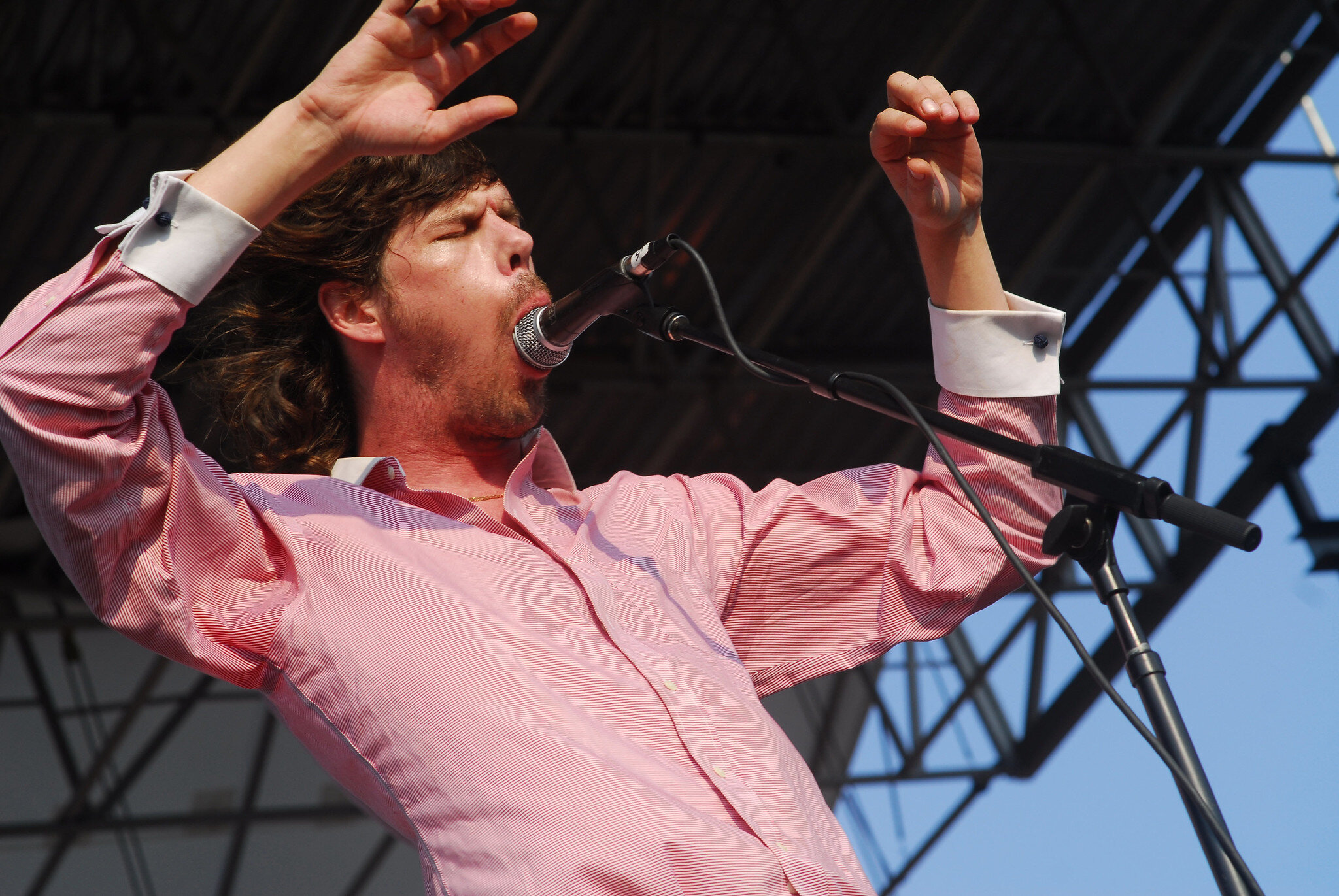
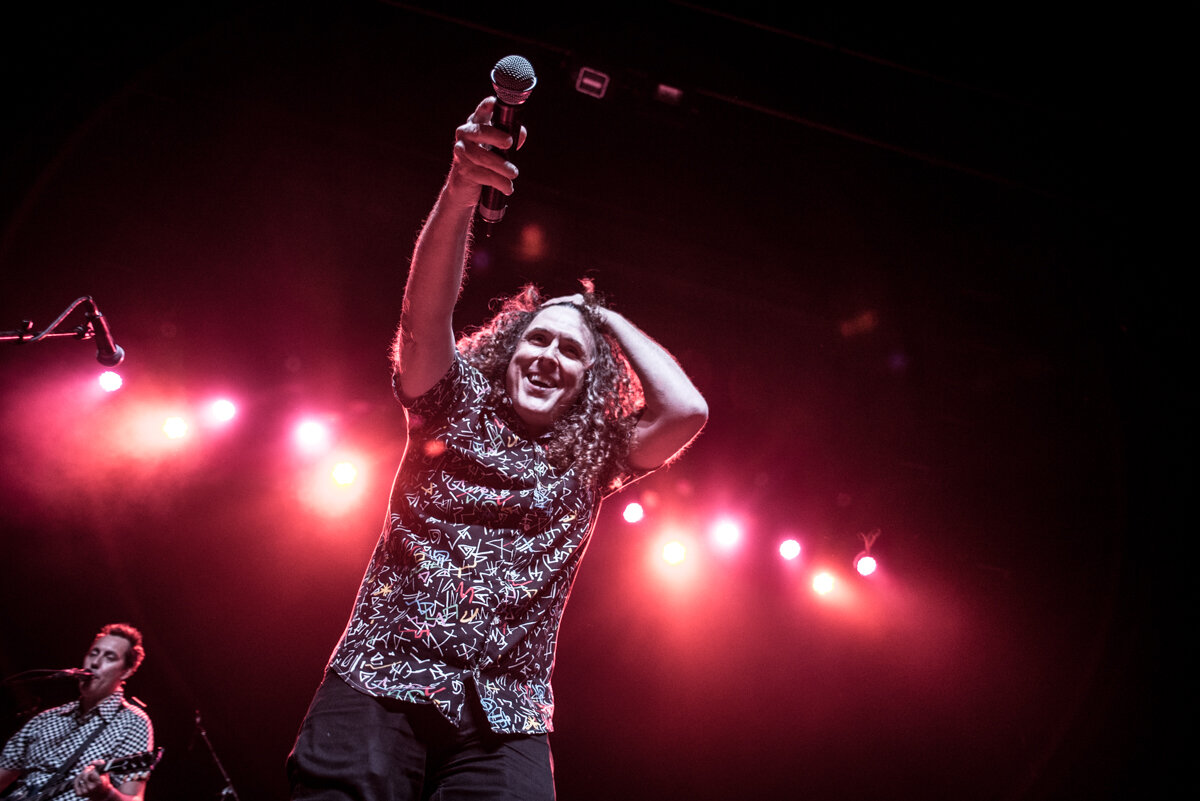
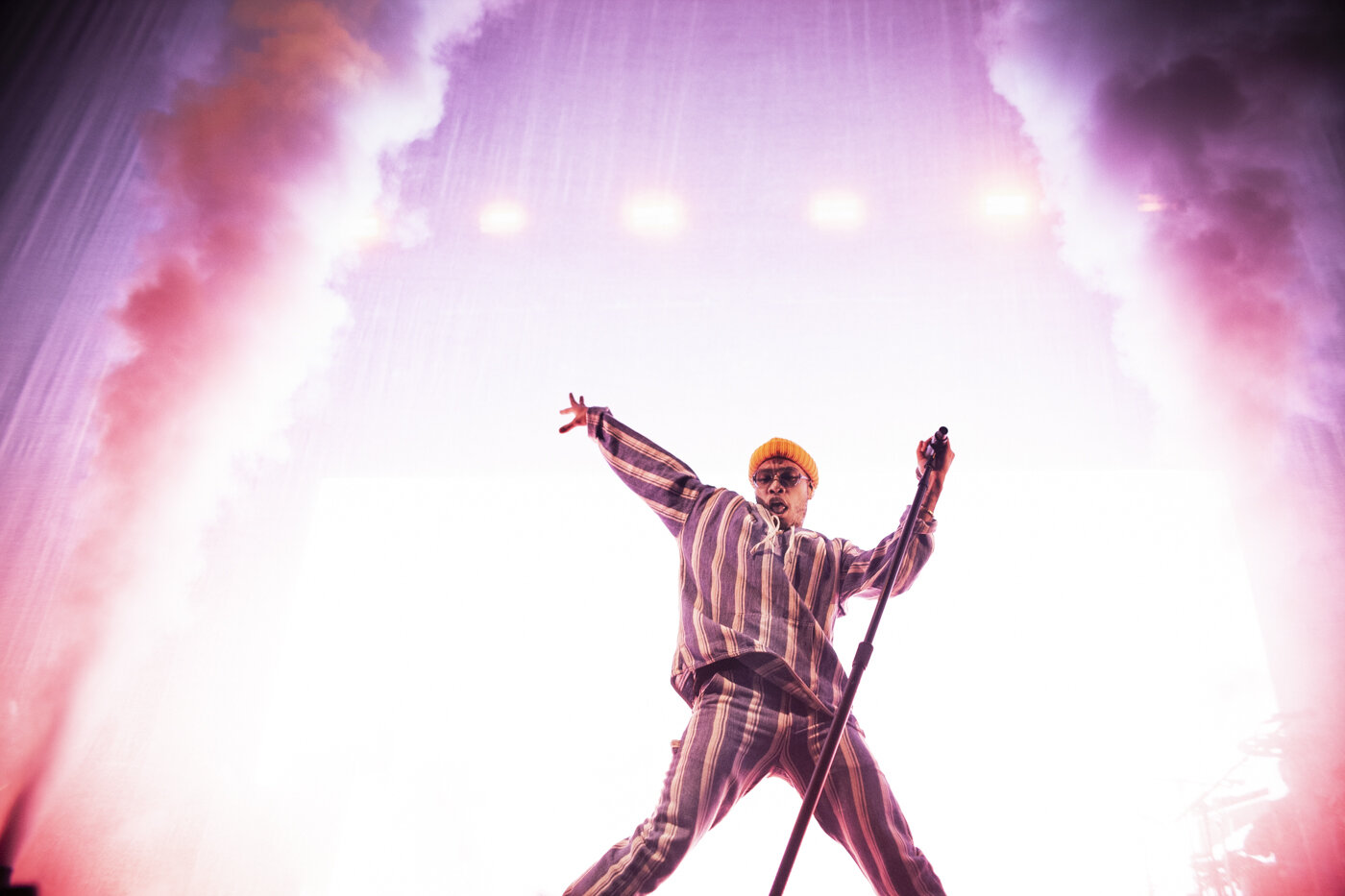
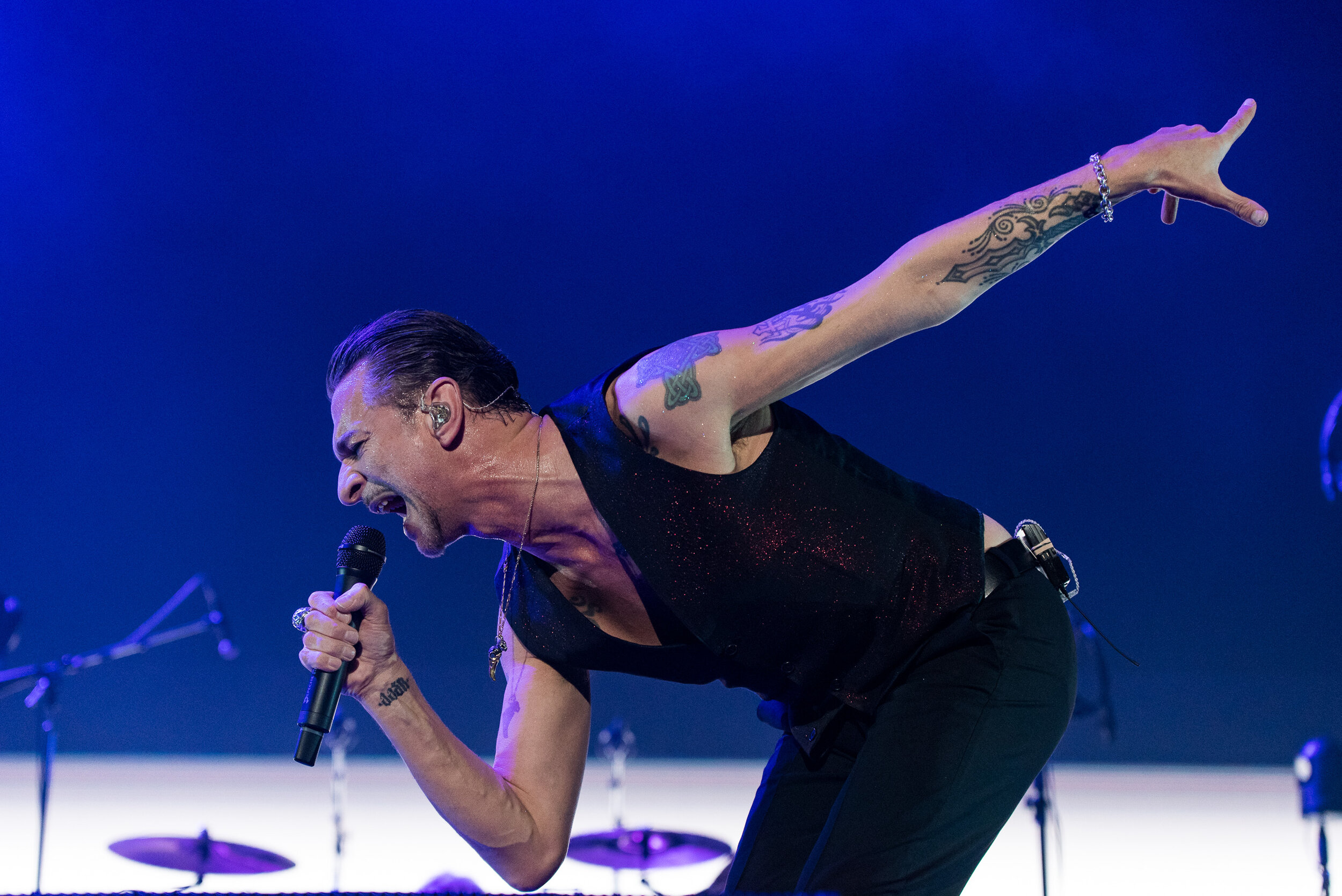
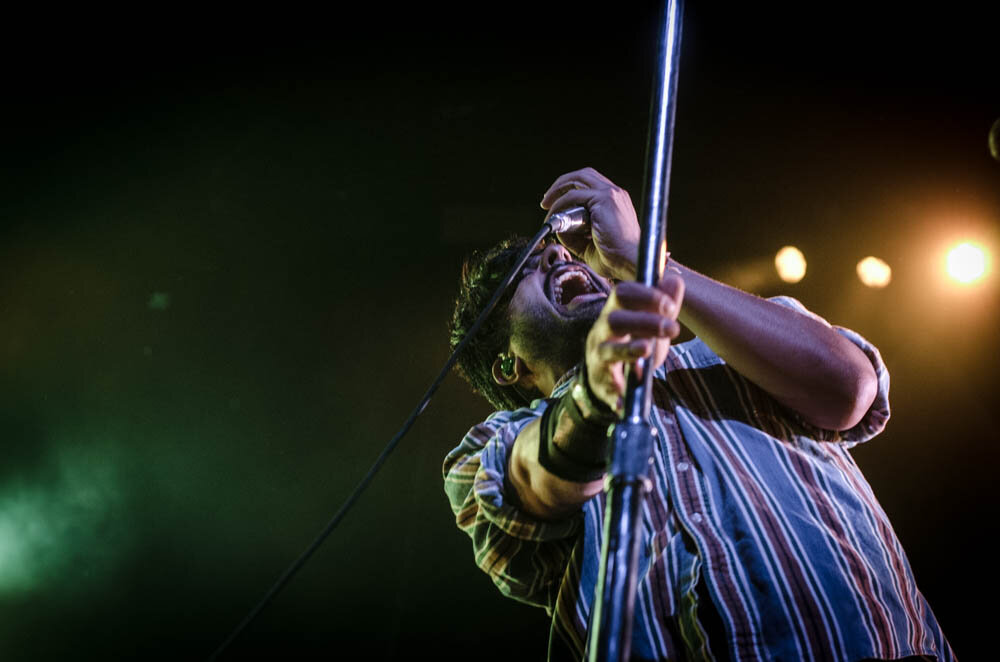
When thinking about iconic mic poses, one of the first people that come to mind is Freddie Mercury, who has set the bar high with his famous mic-stand poses. Photos of him with his iconic mic grip have become a symbol of an era.
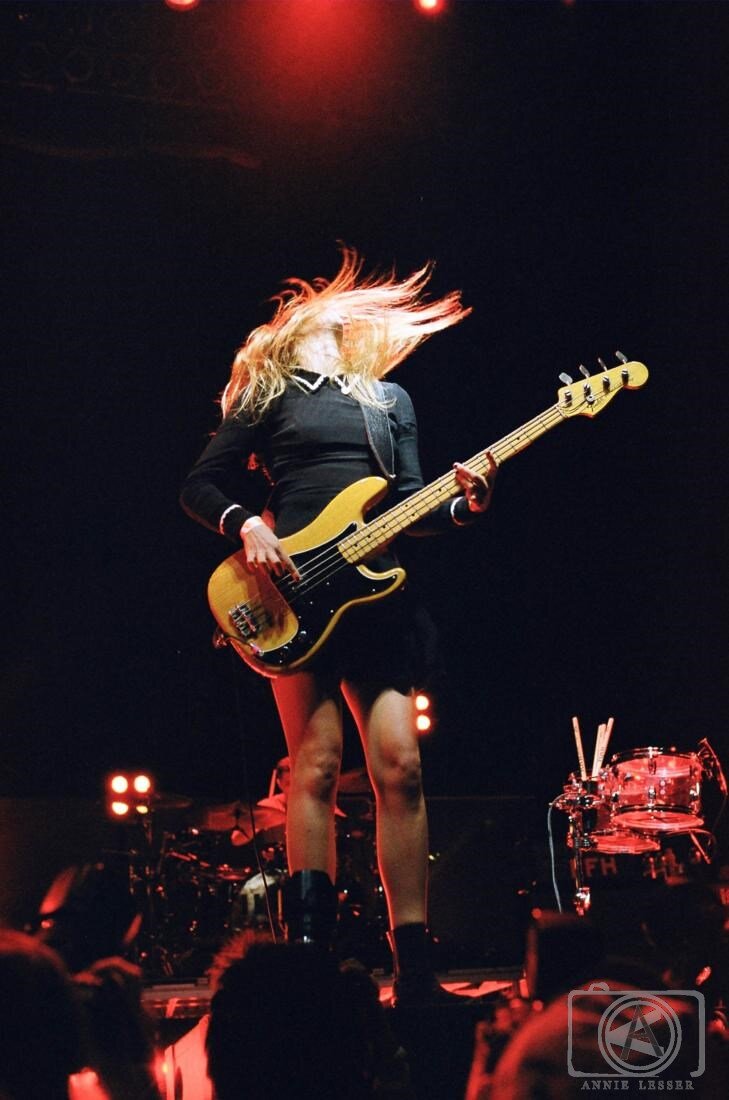
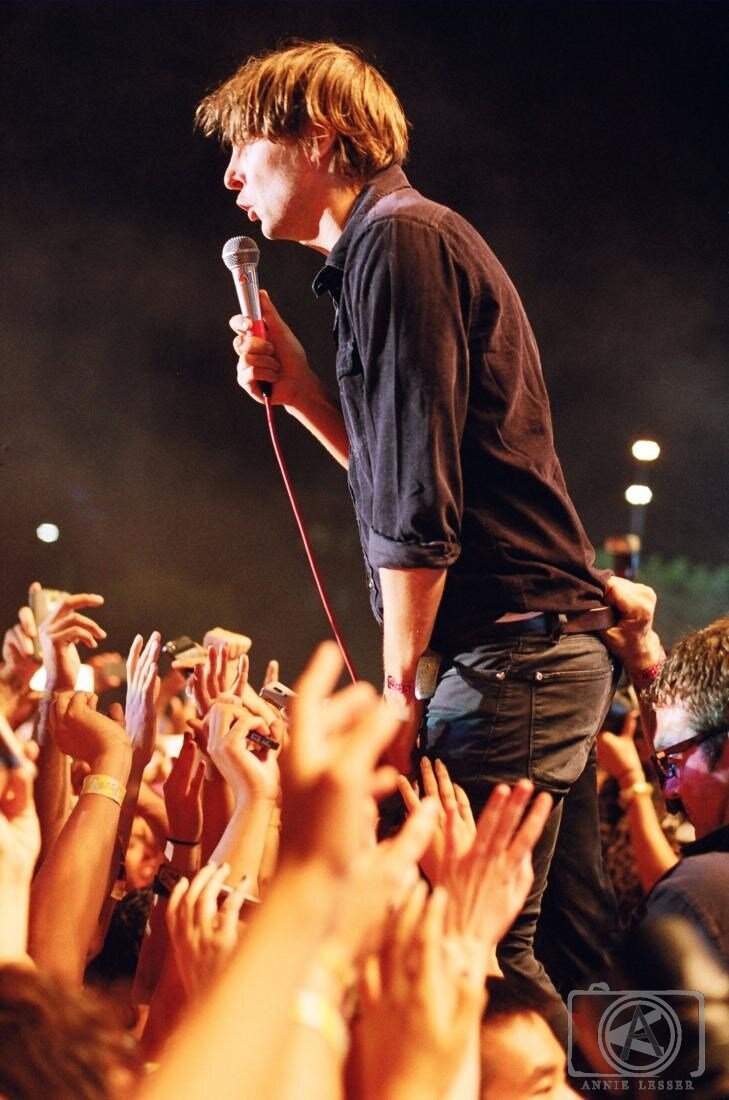
We’ve put together a selection of our very own epic moments in this month’s In Focus: Epic Mic Shots.
Check out our previous In Focus galleries here: Drummers | Keyboardists | Bass Players | Jump Shots | Crowd Surfing | Shot on Film
ⓒ All photos are subject to copyrights and cannot be used without the photographer’s permission

INTERVIEW: Mackenzie Shivers

Mackenzie Shivers
Interview by: Emily May
NY based singer, songwriter and pianist Mackenzie Shivers has always loved music. From a young age, she told her mother that she had music inside of her that needed to come out and has always written and performed music as a means of expressing her emotions. She wrote her first song at the age of 4, started taking piano lessons at the age of 5, and grew up singing harmonies with her sister. She has released three full length albums, 2014’s Neverland, 2019’s The Unkindness, and Rejection Letter, released in April of this year. She has also released 3 EPs, 2016’s Living in My Head, 2017’s Ravens and 2019’s Holiday EP, Midwinter. Last year, she took what she thought would be a short vacation with her husband to a friend’s home in Cape Cod at the onset of the worldwide pandemic. They ended up being there for 3 months, and the change in scenery and the serenity of the resort town inspired her to write what would become her most recent album, Rejection Letter. Although she would normally write songs on her piano, the only instrument she had with her was a nylon stringed guitar that her father had gifted her, causing her to focus on honing her skills on the instrument and exploring it in ways she had not done before. Her time in quarantine allowed her to shed the self-imposed pressures she normally operated under and guitar tutorials by UK singer-songwriter Laura Marling inspired her to experiment with alternate tunings and take a much more freeform approach to her playing. Although Shivers had already written the 13 songs that she thought would comprise Rejection Letter, she returned to New York with a new batch of songs and worked with her producer/engineer Kevin Salem to rethink the approach to recording the album. In the interest of safety and social distancing, they decided to record the album piecemeal. Her bandmates Yuka Tadano (bass) and Cody Rahn (drums) recorded their parts separately, while she joined via FaceTime, and her cellist Oliover Kraus sent in his parts virtually from LA. Shivers sees Rejection Letter as her way of combatting her nature as a people pleaser, taking ownership of her voice and her ability to speak up and speak out, and embracing her rebellious spirit as an artist. Shivers has created a 3-part music video series for the album, comprised of videos for “Martha’s Vinyard”, “Afraid”, and the soon to be released “Butterscotch”. She also recently took part in The Woodstock Sessions, recording several of the songs live with a grand piano. With plans to release more music, Shivers plans to release an EP and then head into the studio to record a whole new batch of songs. You can connect with Mackenzie Shivers via the following links. Photo credit: Lissyelle Laricchia.
WEBSITE | FACEBOOK | INSTAGRAM | TWITTER | SPOTIFY | SOUNDCLOUD | ITUNES/APPLE MUSIC | YOUTUBE | DEEZER | BANDCAMP
At a young age, you told your mom that you had music inside of you that needed to come out, having written your first song at the age of 4 and started piano lessons at 5. What can you tell me about the pull you felt towards music from a young age and about singing harmonies with your sister growing up? In what ways do you feel that writing and performing music has helped you to express yourself and release your emotions?
It’s interesting you bring up both my sister and my introduction to music because my first memories consist of those two things: visiting the hospital just after my sister Sarah Wells (Swells, as I call her) was born, and playing a Muppet Babies keyboard at a friend’s birthday party. I was just shy of three years old in both memories. Singing with Swells is my favorite thing to do. We grew up singing together all the time, and I didn’t realize how special it was until I became an adult. We can harmonize together without thinking, without rehearsing. It’s completely effortless and a reflection of how close we are. When we both lived in NYC, we’d perform together as The Shivers Sisters. In terms of growing up playing the piano and composing, they were always my outlets to express feelings I didn’t quite know how to approach otherwise. Sadness and pain especially. When I was sad, I played the piano. When I was heartbroken, I wrote songs. And I still do. It’s a way to process. But now that I’m older, I’m learning other ways to process and cope with these feelings. Therapy has helped me a lot. I truly believe it’s allowed me to be a better songwriter. Music is still cathartic, but now it’s not my only outlet.
You took a vacation to Cape Cod to stay with friends right as the pandemic hit, leading your planned week-long vacation to turn into 3 months. You have said that you found the change in scenery and the serenity of the environment to be very inspiring, which led to songs pouring out of you. What can you tell me about that experience?
I find few things more inspiring than being on the water. The light was constantly changing and different every day. I tend to be a prolific writer when I’m in motion, whether on a train, plane, or in a car, and I think the movement of the water inspired me to write a lot. I found it to be a powerful reminder that nothing is stagnant and change is inevitable. That was especially poignant during the pandemic.
Although you typically write songs on the piano, the only instrument you had with you was a nylon-stringed guitar gifted to you by your father. What was that experience like for you, exploring that instrument in ways you never had before and writing songs in a different way? Do you feel it changed the way you will approach songwriting going forward?
It definitely changed how I wrote! I was playing chords and progressions I don’t usually gravitate towards at the piano. The textures were new and the ways my fingers formed chords were new. Writing on the acoustic guitar gave me confidence and emboldened me to try writing on different instruments going forward. The piano will always be my main instrument and I will always compose on it, but now I’m eager to play around with the electric guitar and try writing on that. The sounds will be completely different, and who knows what songs will come from it. I find that exciting.
You have said that in quarantine, you shed any sort of self-imposed pressure that had always imbued you as a songwriter and that you experimented with alternate tunings, guided by online guitar tutorials from singer/songwriter Laura Marling. What do you feel that you learned from those tutorials and how did they lead to a newfound sense of fun and joy for you?
Piano lessons shaped my first two decades as a musician, but I haven’t taken formal lessons since college. So these Laura Marling tutorials were like taking guitar lessons except much more casual and incredibly fun and cool because, you know, it’s Laura Marling and she’s doing it on Instagram. She would demonstrate different tunings and then teach a song or two in those tunings, so often times I would learn the chords and then would find my own voicings or chord progressions in that tuning and a song would be born from it. That’s how I wrote “Martha’s Vineyard” and “Gold,” two songs on my latest record.
You recently released your 3rd album Rejection Letter, and before heading to Cape Cod, you had already written the 13 songs you thought would comprise your album. You returned to New York from Cape Cod, however, with a new batch of songs. What can you tell me about your shift in approach towards the album and having to rethink your approach to recording your album with your producer/engineer Kevin Salem?
Originally, the record was going to be tracked live with the band. But we didn’t feel that was the right way to go once the pandemic hit for several reasons. Safety was the biggest issue. But I also had these new songs that I hadn’t rehearsed with the band yet because we were all in lockdown! The album ended up being about half and a half - songs written pre-pandemic and songs written during. So Kevin Salem and I had a meeting and asked ourselves, “How can we make this album right now? And how can we do it safely?”. A record is always a moment in time; a slice of life. So we decided to record in a way that reflected the times we were in: everyone recording separately. But we still wanted to be able to record in studios and use professional recording equipment, so we tracked at two different studios in the Woodstock area, The Hidden Quarry and Kevin’s studio The Distortion Tank.
What can you tell me about the recording process for the album and the decision to record the album piecemeal, with you and your bandmates recording your respective parts separately? How would you describe that experience for you, on having to just focus solely on your part rather than having everyone playing together in a room?
I started things off by spending a week with Kevin in the studio, so I was able to just focus on my parts instead of multi-tasking like I do when we’re recording live as a band. And that gave me the freedom to explore and try lots of different things. We really dug into the sound and made sure we had a very solid base for the band to record over. Then Cody Rahn came up to Woodstock to record drums after my parts were finished, and Yuka Tadano followed on bass. We were all given more time and attention than we do if we’re recording together live, and I think that’s reflected in the final product. A couple moments that are my favorites are Cody on “Mess” and Yuka on “Kids.” They really shine.
In what ways do you feel that the process of writing and recording the songs for Rejection Letter helps you to combat your nature as a people pleaser and take ownership of your voice and your ability to speak out and speak up? Having also described this album as you at your best and most complex to date, showing new sides to you a darker, angrier, and moodier side, while still feeling whimsical-what do you feel you learned about yourself in the making of this album?
I learned that I am a very multi-layered person, and there are so many aspects of myself to discover, explore, and embrace. We as humans are multifaceted and complex, and I think that’s a beautiful thing. On Rejection Letter, I shared things that were a bit uncomfortable, like questioning whether or not I wanted to become a mother and then having difficulty conceiving. Those topics aren’t discussed very much in music or in life, and it’s important to me to not shy away from things just because they’re messy or considered taboo. It’s a part of my story, and it’s honest.
You have talked about taking a lot of time to reflect on the shifting state of the world and how you want to move through life in this new phase of Covid that includes vaccinations and re-openings. What does that look like for you and do you feel that your views of life and the world have shifted significantly post-Covid from what they were before?
I’m trying to put a lot less pressure on myself than I did pre-Covid. I’m more mindful of how I use social media, I’m trying not to compare myself to others, and I’m allowing myself to rest. And I’ve discovered that when I do that, it often fosters a lot of creative energy. Before the pandemic, I tied my self-worth into things like how many people came to my shows or how many people engaged with my social media posts. I don’t want to do that to myself anymore. I’m working on being kinder to myself, knowing that my value as a person and an artist is not based on things like ticket sales or Instagram likes. But it can be hard. I’m still finding that balance with social media in particular. I really like connecting with people on Instagram, and I’ve met some wonderful people through that platform. But I don’t like fighting against the algorithm for visibility. That’s especially hard when I’m promoting an album. The rules of social media and its algorithms are always changing, and it’s easy to feel like you’re never doing enough. And that’s an unhealthy mindset to be in.
What can you tell me about your concept for a 3-part video series for Rejection Letter and how you chose the songs to do videos for? You most recently released the video for "Afraid", the second video in the series, which was influenced by Brittanie Bond's haunting and evocative images for her photo series "we move lightly". How did you come across her work and what can you tell me about working with her, Marco Pitruzella and dancer/choreographer Candice Schnurr and the idea behind the video?
The videos match the singles - “Martha’s Vineyard”, “Afraid”, and then “Butterscotch” will be released soon. I worked with Lâle Teoman on two of the videos and Britannie Bond on the other. I wanted to work with them because I thought their aesthetic really matched what I was going for - whimsical, moody, surrealist. I’ve worked with them both before and find them to be incredible collaborators and people. As far as working with Britannie on “Afraid” goes, I’ve known her for a long time and was already familiar with her “we move lightly” photo series. She told me she also had video footage to go with the project that featured dancer Candice Schnurr. So she and her partner Marco Pitruzella created this film just for “Afraid” out of that footage. And I love how it came out and think it captured the grief, longing, and internal struggle depicted in the song so beautifully.
You also took part recently in The Woodstock Sessions to record several of the songs from the album live with a grand piano. How did that experience come about and what was it like for you?
Applehead Recording has hosted The Woodstock Sessions since 2013. They invite people to sit in as artists play a set and record it live. So it’s essentially a creation of a live album at their studio. But when Covid hit, they re-worked it so that artists came in and performed a set without an audience, and it was recorded and turned into videos. The studio owner knows Kevin Salem, and I had also recorded at Applehead before, so we were all connected in that way. When they found out I was recording a new album, they thought having me in for a pandemic session would be great. And it was a complete blast. I just released this video for the album’s title track.
What's next for you? What are your goals going forward?
I’ll be releasing an EP, and then I’m going back into the studio to record a whole new batch of songs. So it’s safe to say lots more music is on its way! My goals are to continue making and releasing music and to stay very much in love with the process of it.

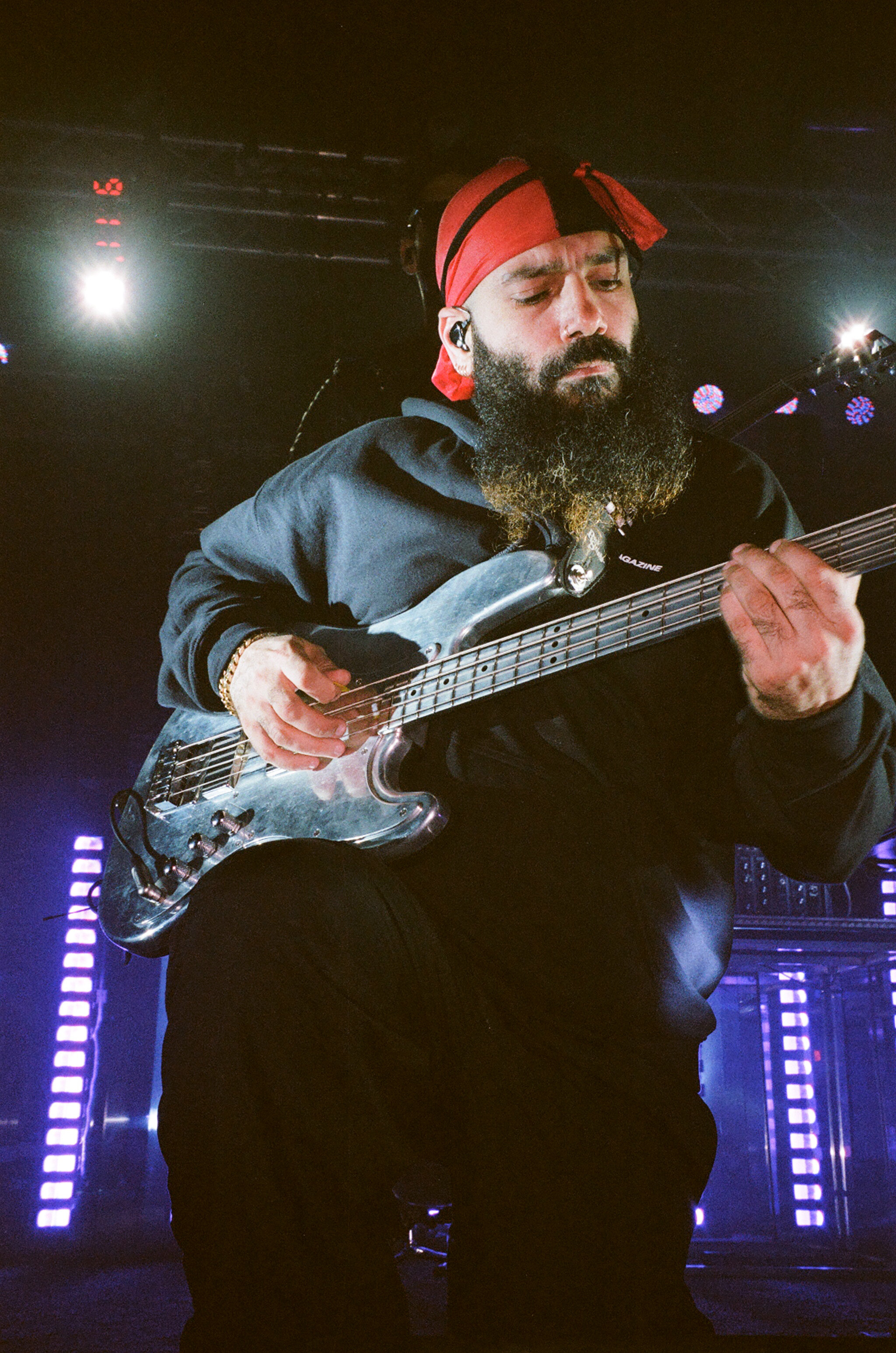
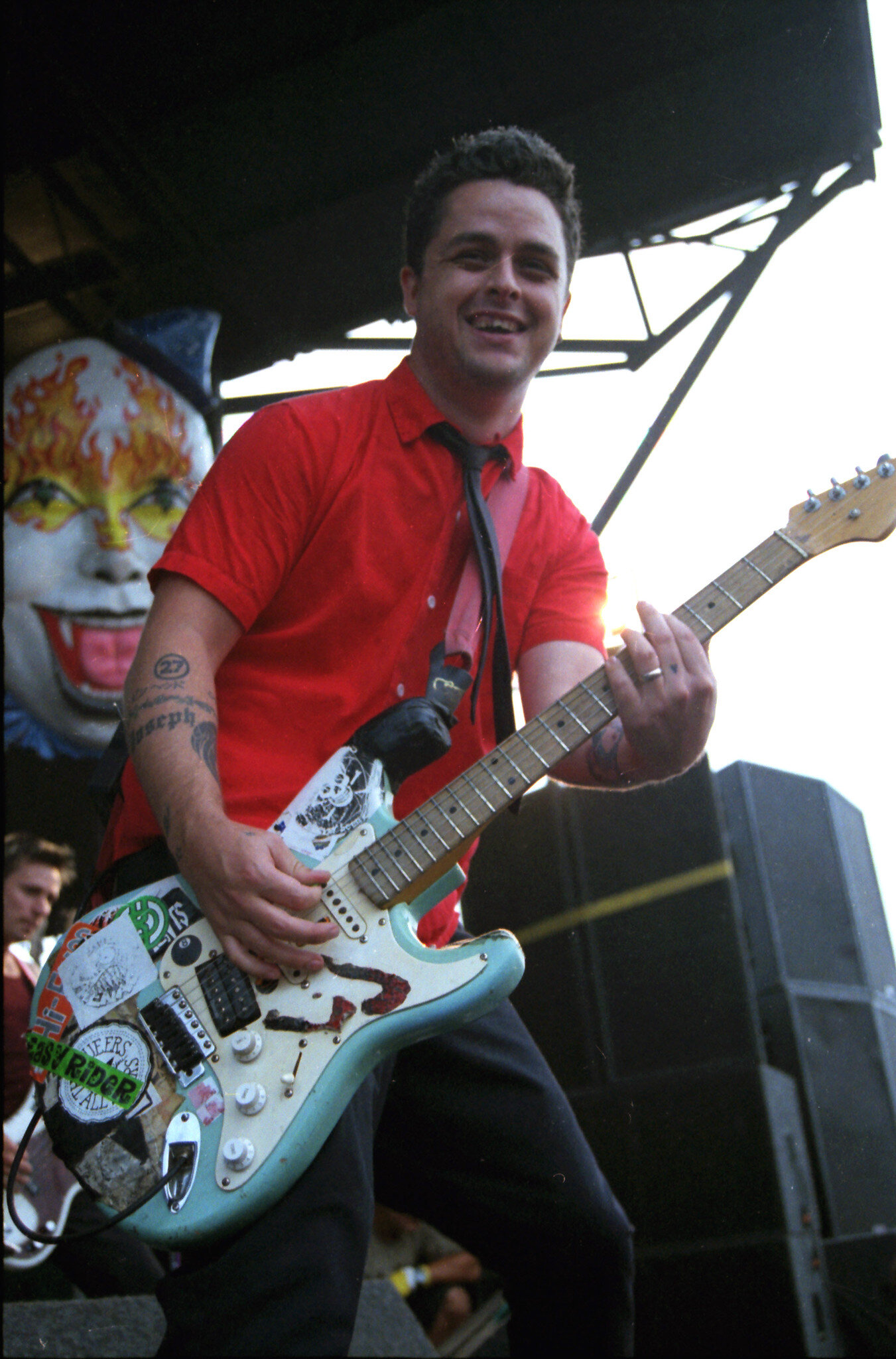
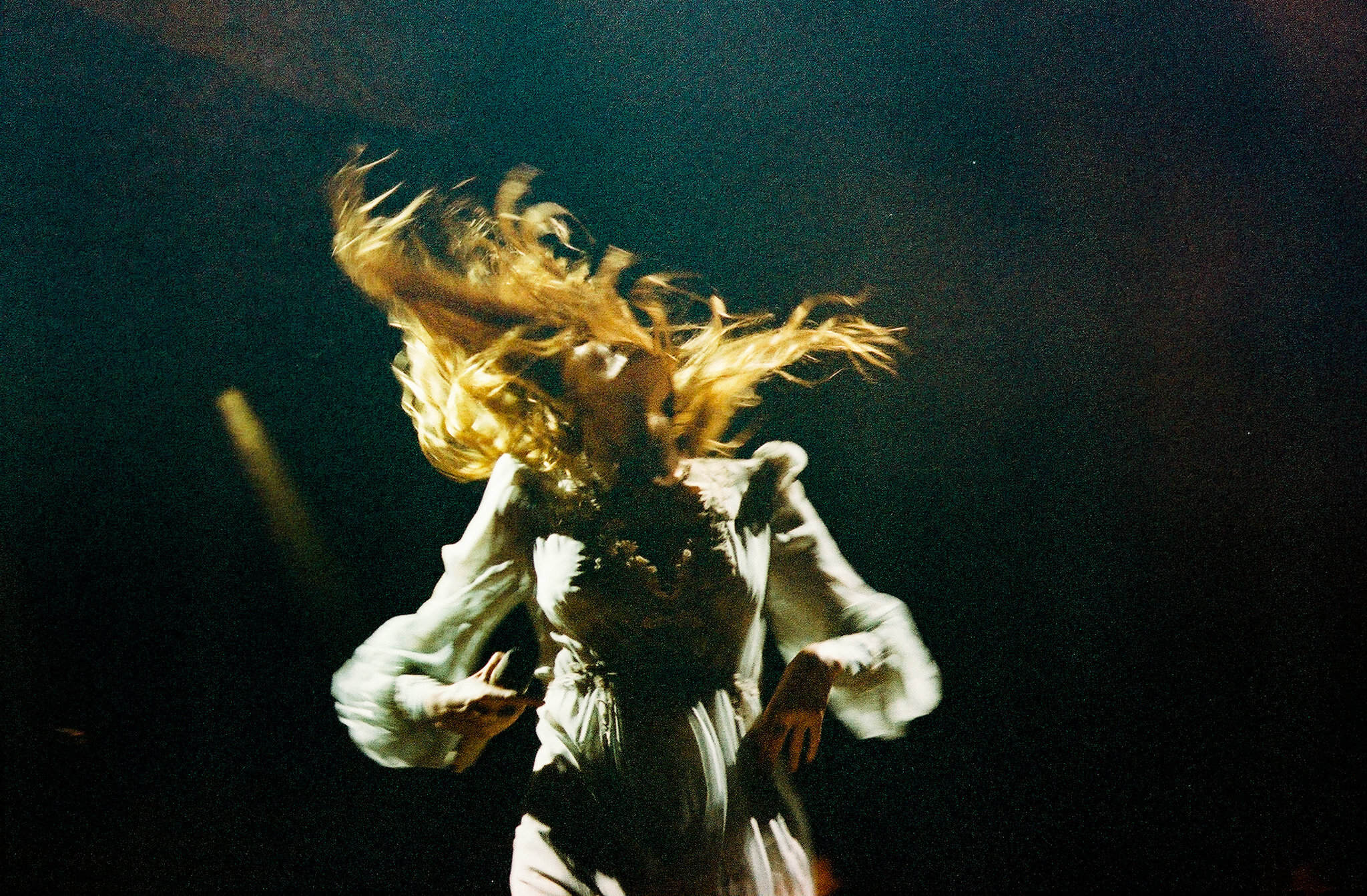
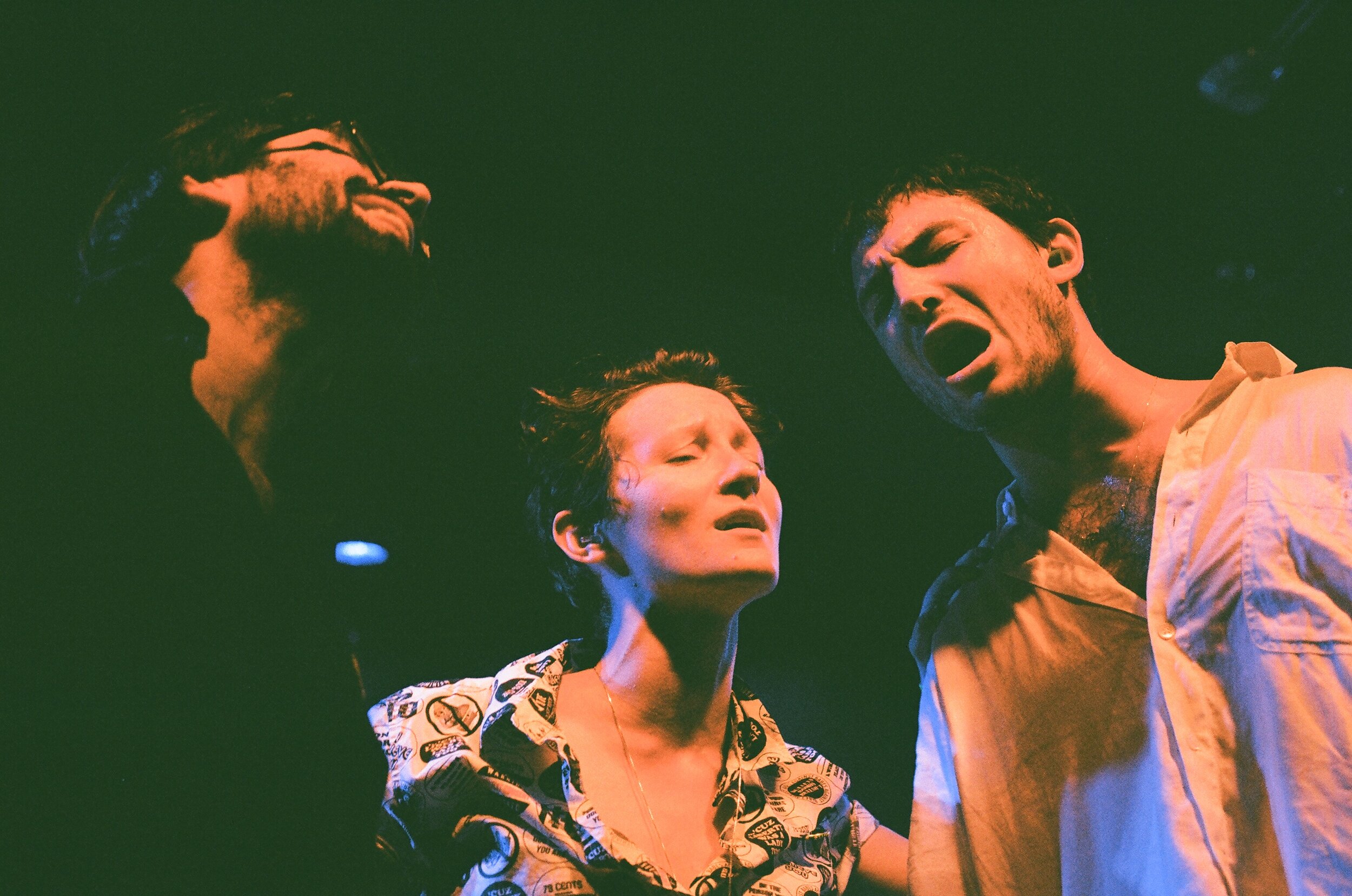
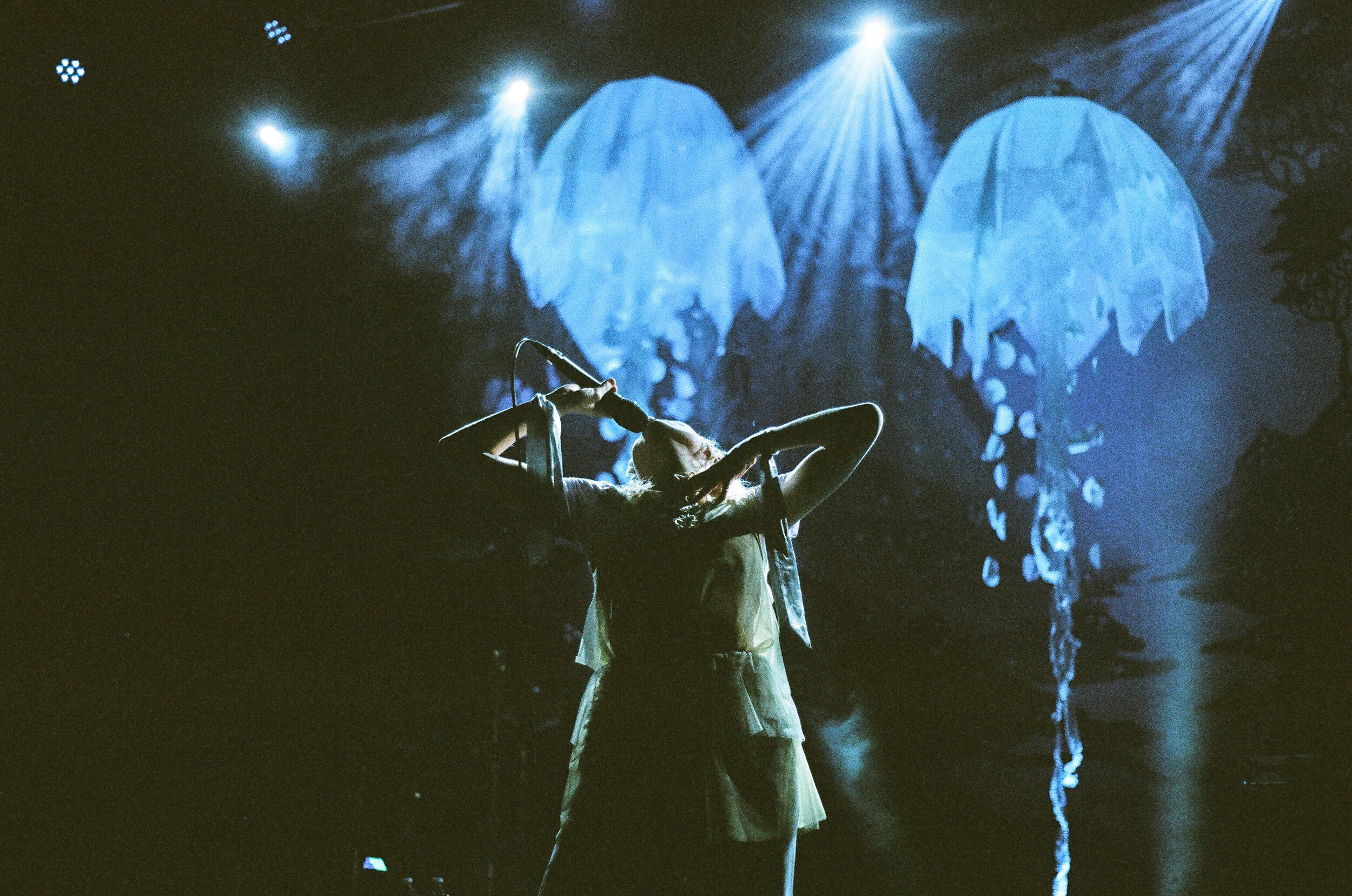
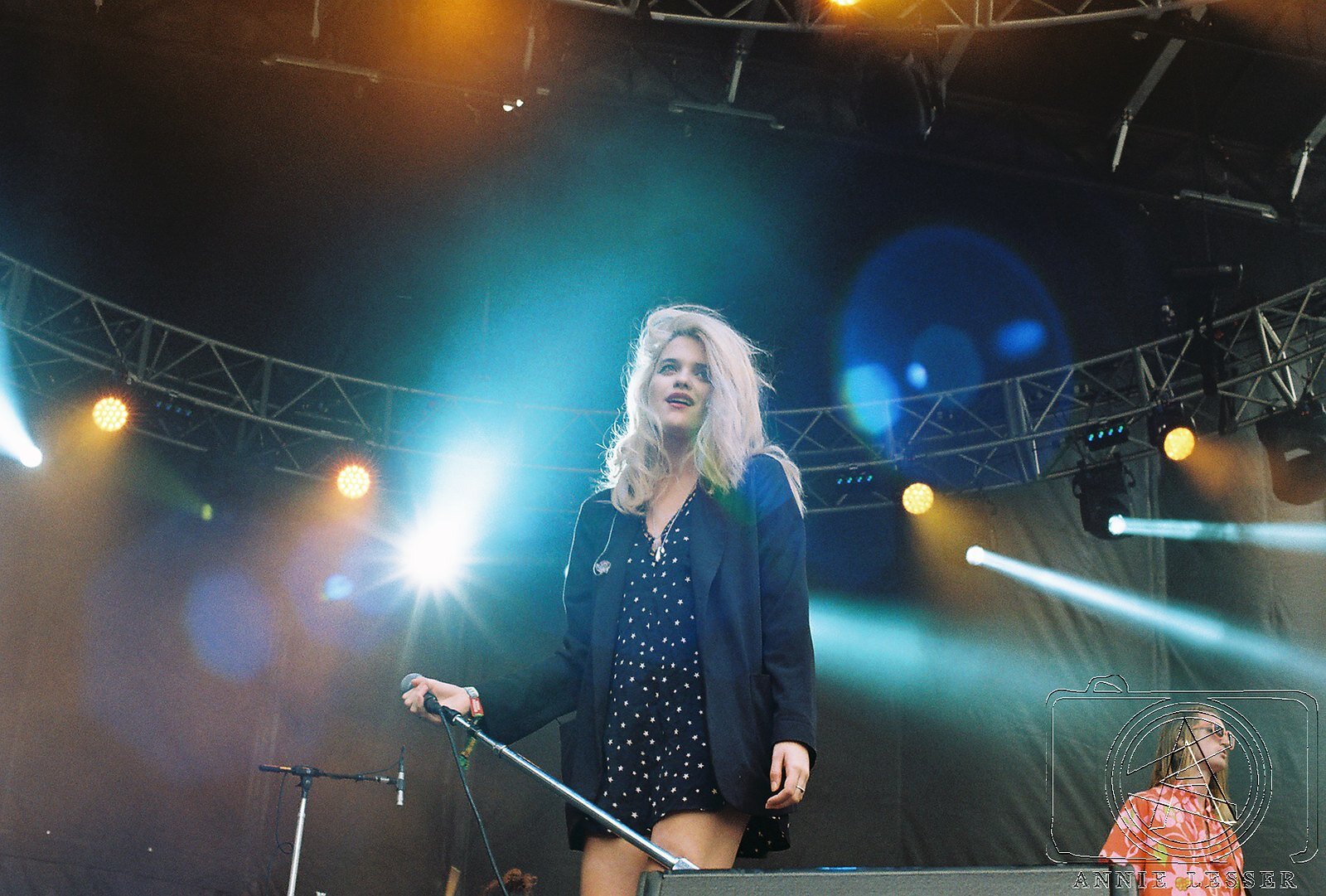
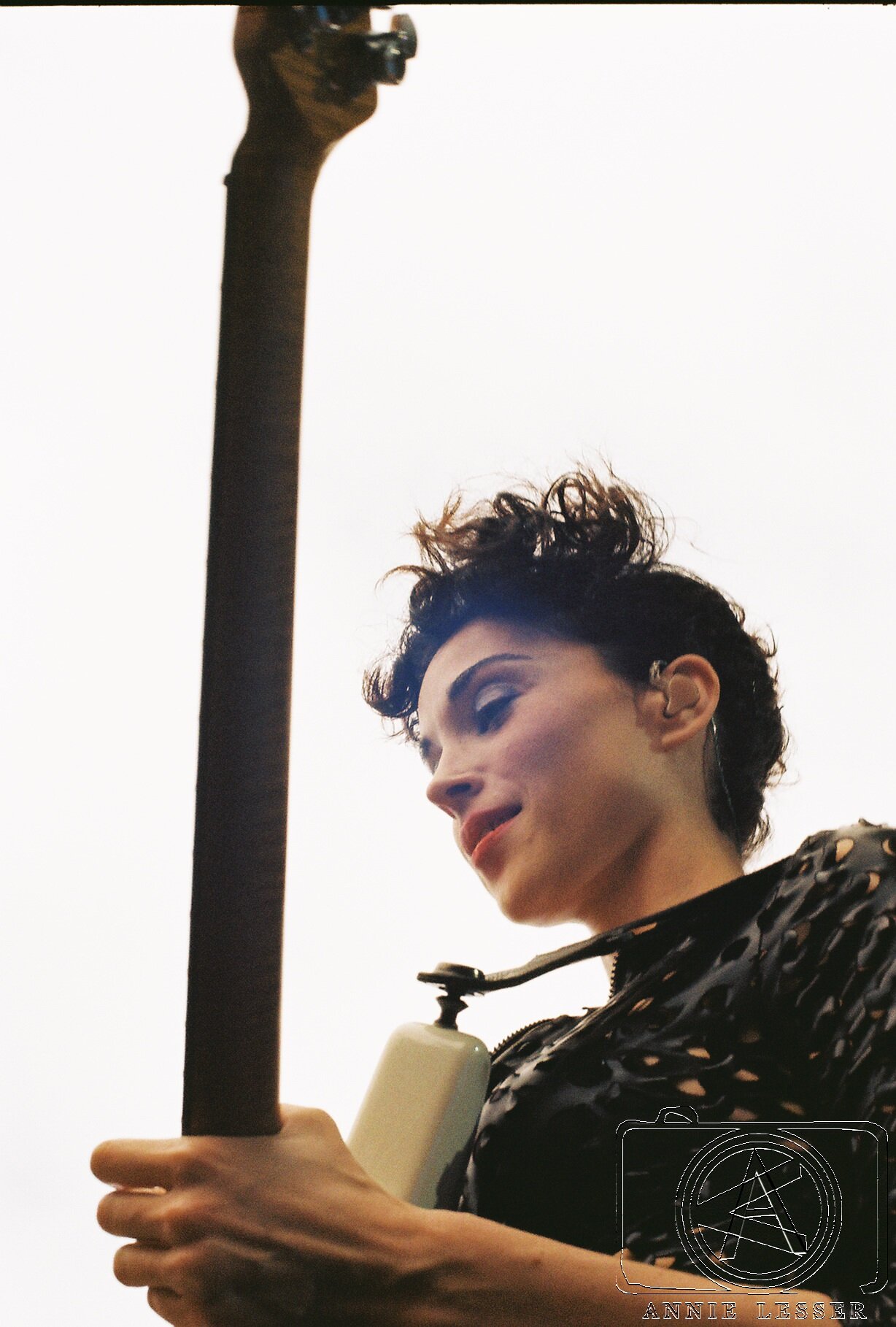
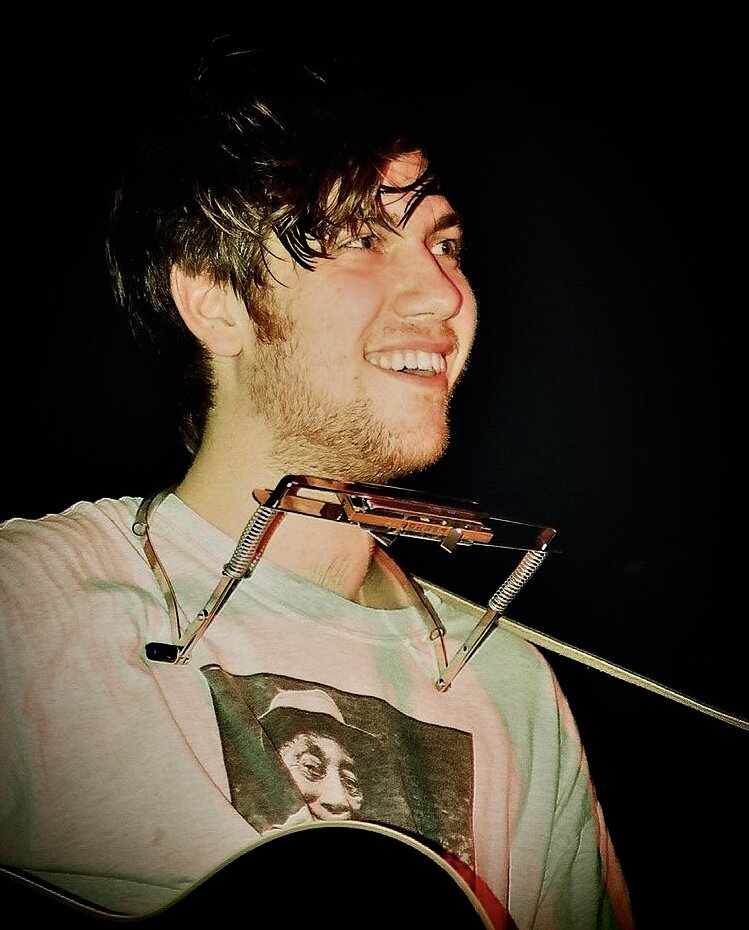
In Focus: Shot on Film

Cover image by (left to right): Erin Brown, Edwina Hay, Annie Lesser, Jetzi Calvin, Emily May
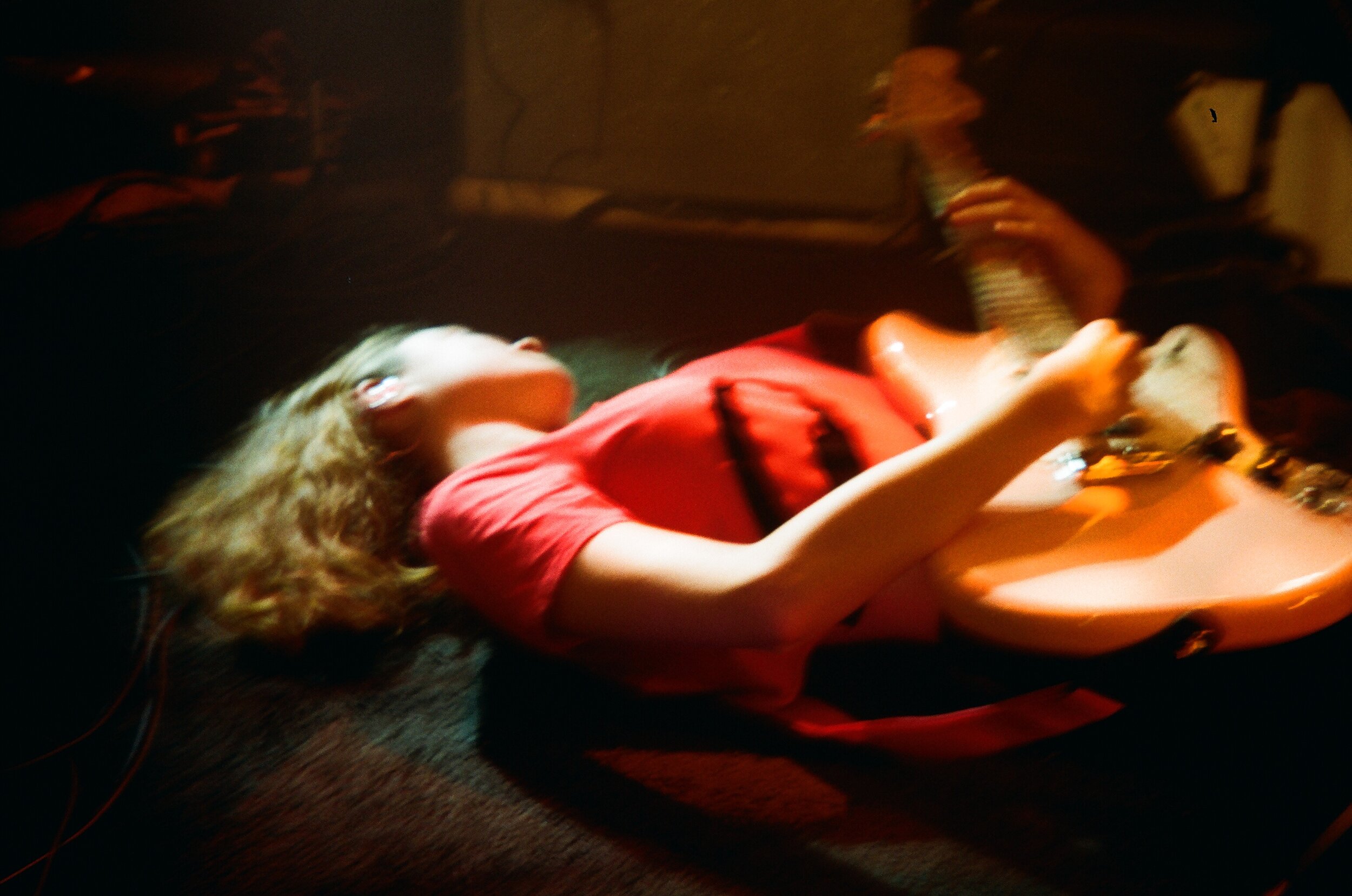
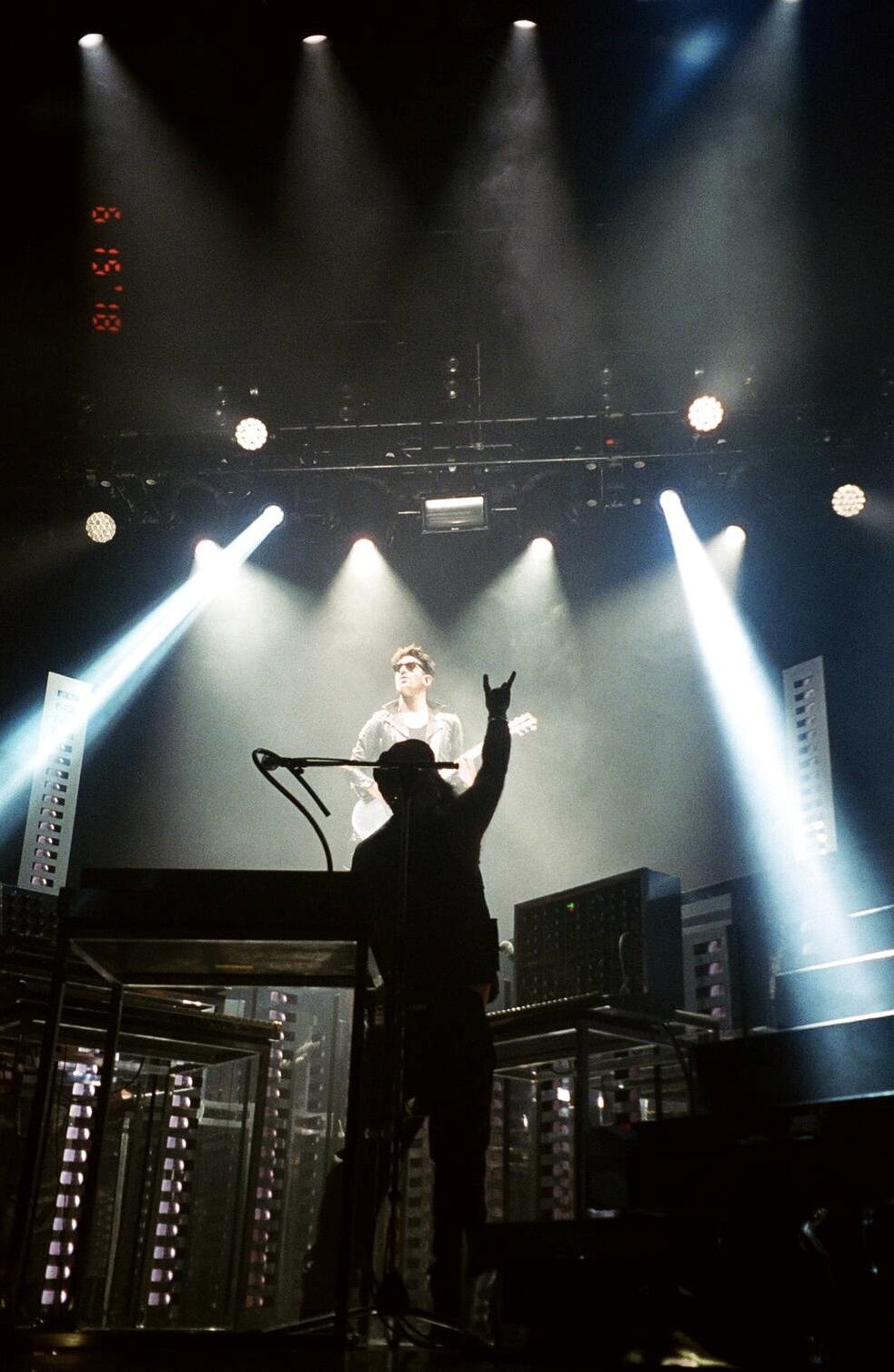
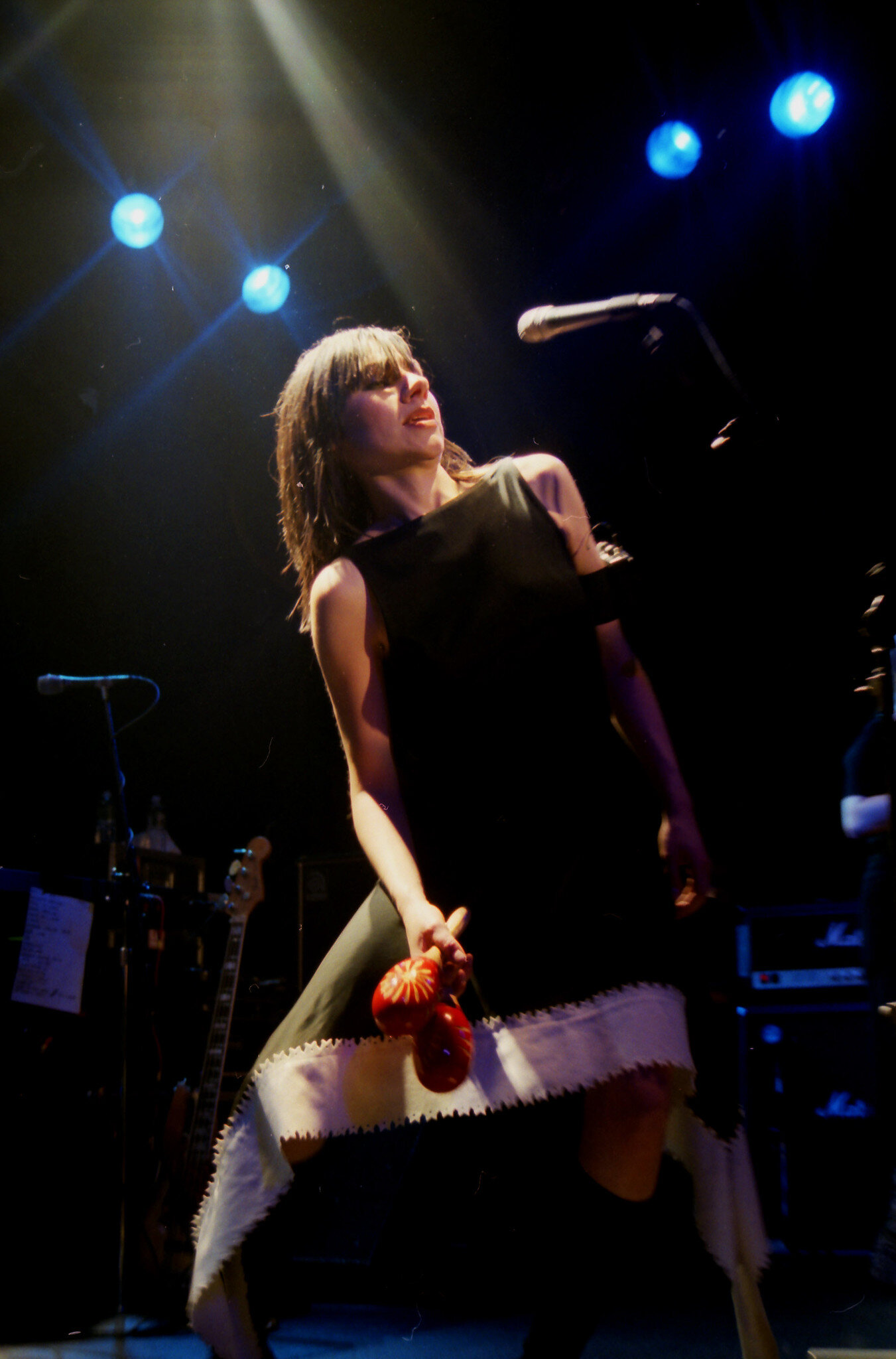
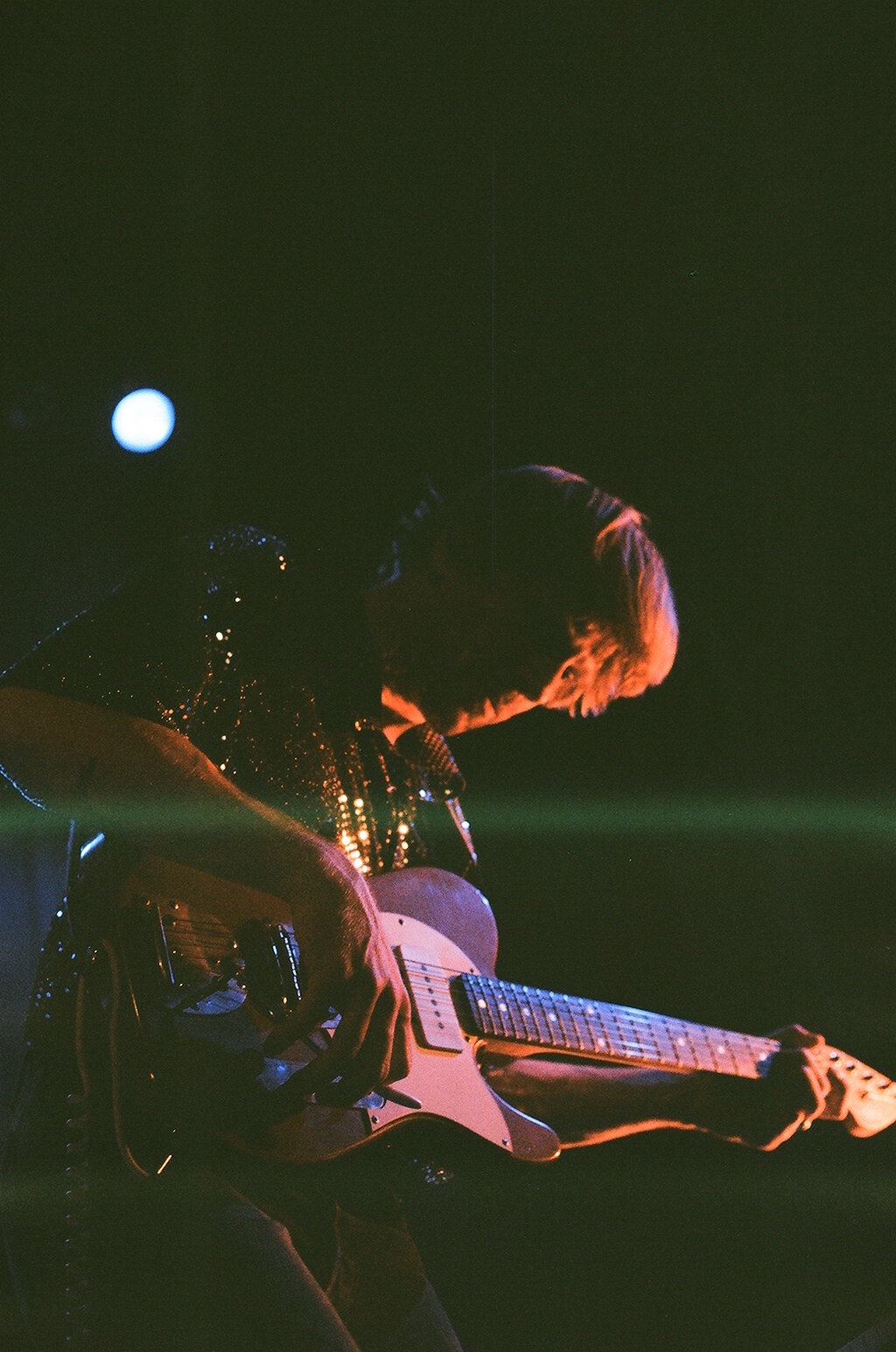
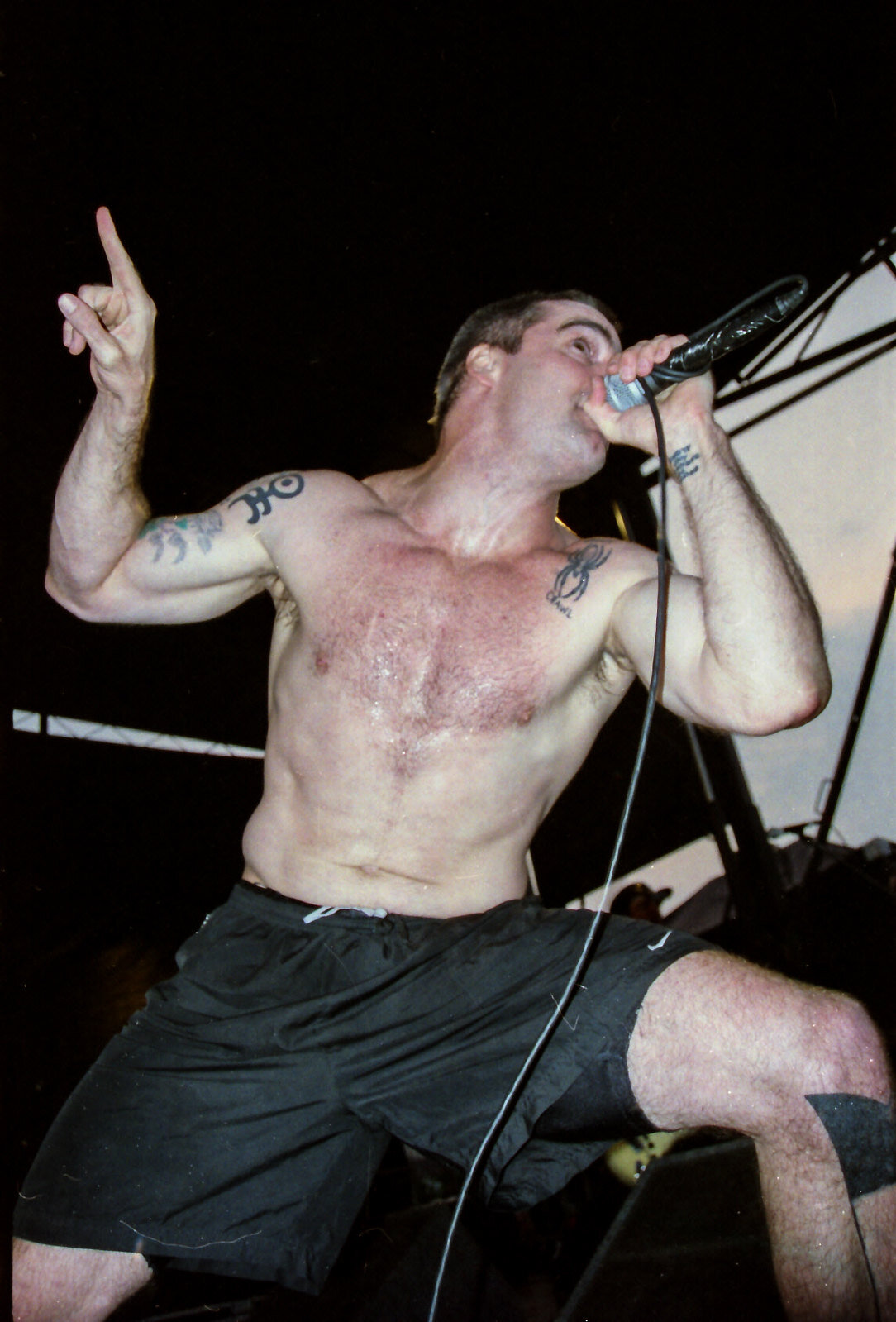
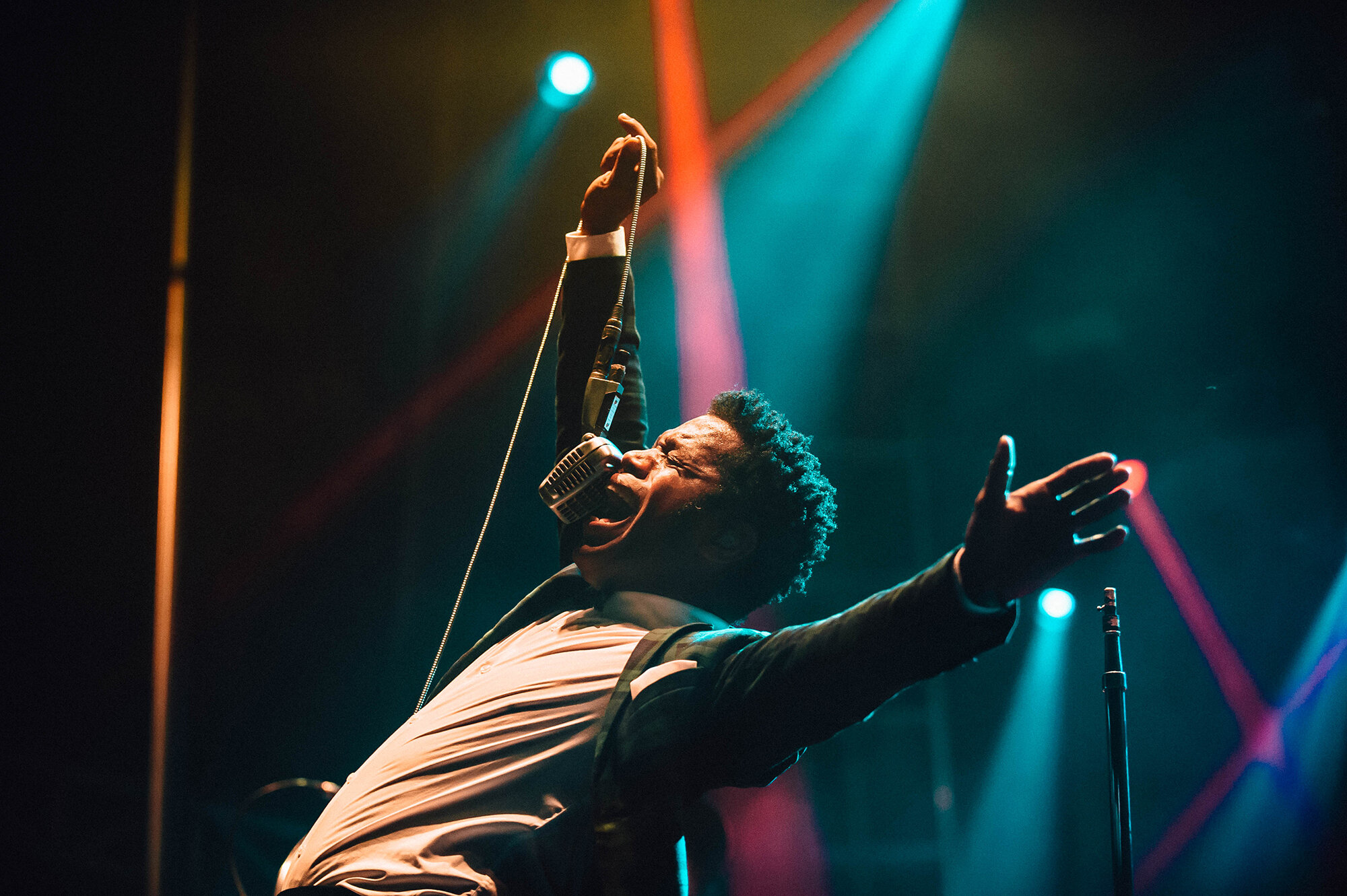
In Focus is a Photo Ladies collaborative photo series that showcases TPL members’ favorite photos, focusing on a different theme each month. This time we’re going back to basics with photos that were taken using analog film cameras only.
Check out our previous In Focus galleries here: Drummers | Keyboardists | Bass Players | Jump Shots | Crowd Surfing
ⓒ All photos are subject to copyrights and cannot be used without the photographer’s permission